
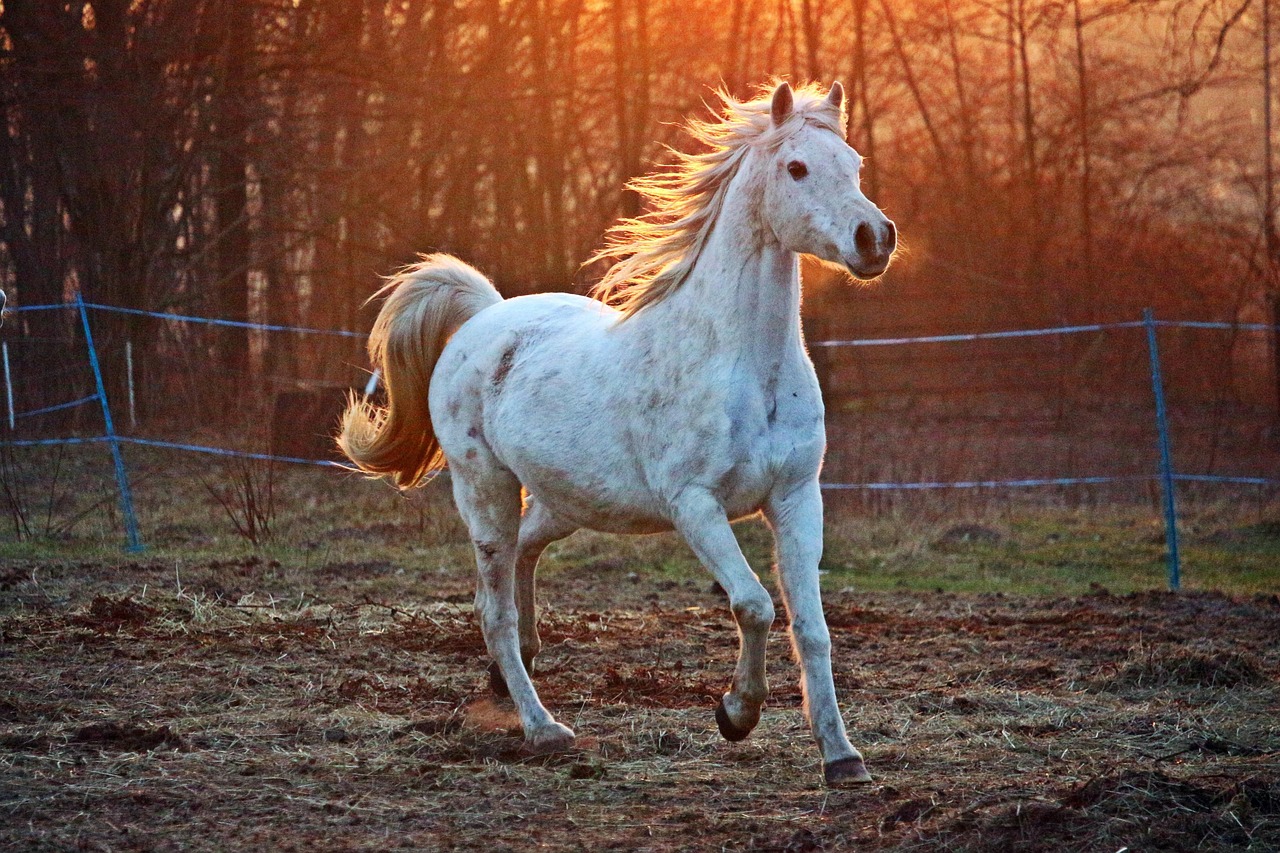
Equestrian estates, private barns, and training facilities demand exceptional ground management to protect equine health, soundness, and comfort throughout all four seasons. Outdoor turnouts, paddock gates, run-in sheds, and barn aisleways endure intense hoof traffic that quickly turns native soil into deep, bacteria-laden mud swamps during wet Ohio seasons. Implementing professional horse paddock footing The Village of Indian Hill OH equestrians trust creates a secure, firm, and free-draining ground structure that prevents tendon strains, thrush, and muddy coats. Installing a stabilized multi-layer aggregate system combining heavy geotextile fabric, dense-graded crushed run base, and a cushioned stone dust wear layer keeps horses standing high and dry. The Village of Indian Hill is located in eastern Hamilton County, where rolling pastoral topography and scenic estate properties require high-performance paddock drainage solutions. Scheduling prompt bulk stone hauling through The Village of Indian Hill aggregate delivery brings crushed run, fine stone dust, and #57 drainage gravel directly to your stables.
The Hazards of Chronic Mud on Equine Health and Facilities
When heavy horses weighing over one thousand pounds stand in deep, cold mud, the physical consequences are severe and costly. Constant exposure to wet, anaerobic muck weakens the hoof horn, encouraging painful bacterial infections like thrush and fungal conditions like scratches (pastern dermatitis). Furthermore, navigating deep mud exerts intense torque on equine tendons, ligaments, and joints, significantly increasing the risk of bowed tendons and soft-tissue lameness. In high-traffic zones like paddock gates, water troughs, and run-in entrances, hooves continuously mix topsoil with rainwater and manure, creating mud pits two feet deep. Installing an engineered all-weather aggregate turnout eliminates these hazards, providing horses with a secure, slip-resistant surface that cleans easily and drains stormwater immediately.
Selecting Horse Paddock Footing The Village of Indian Hill OH Barns Need
A dependable equestrian footing system requires a rigid base that will not shift under hoof impacts, paired with a non-abrasive surface wear layer:
- Crushed Run Base Material: Featuring angular crushed limestone ranging from 1-1/2 inches down to stone dust fines, crushed run compacts into an unyielding foundation that locks subgrade soil in place.
- Stone Dust (Limestone Screenings): Sized from 1/8-inch chips down to mineral flour, stone dust provides a firm yet cushioned surface layer that compacts smoothly without sharp edges, protecting sensitive equine hooves.
- 3/4-Inch Washed #57 Clean Stone: Open-graded angular stone without fines, used beneath high-traffic gate basins, French drains, and perimeter footing ditches to rapidly carry away subsurface water.
Recommended Equestrian Aggregates in The Village of Indian Hill, OH
Choose these top-tier aggregates to construct resilient paddock turnouts, barn aisles, and arena foundations:
- → Crushed run: Heavy-duty dense-graded limestone base material for structural turnout stability.
- → Stone dust: Safe, compactable mineral footing for paddocks, sacrifice areas, and barn walkways.
- → #57 stone: Clean washed drainage gravel for perimeter swales and subsurface drainage trenches.
Comparing Equestrian Footing Materials
Examine aggregate performance characteristics across essential equine management and footing criteria:
| Material Grade | Hoof Impact Cushion | Recommended Equine Area |
|---|---|---|
| Crushed Run Base | Rigid (Uncompacted) | Subbase foundation layer beneath wear footing |
| Compacted Stone Dust | Firm yet Forgiving | Paddock sacrifice areas, barn aisles, run-ins |
| Washed #57 Stone | Loose (Non-Footing) | Gate drainage basins and French drain swales |
| Coarse Washed Sand | Soft Cushioning | Riding arena top dressing and round pens |
Step-by-Step Construction of an All-Weather Paddock Turnout
Building mud-free horse paddock footing The Village of Indian Hill OH horses require demands careful excavation, fabric stabilization, and proper material layering:
- Excavate Unstable Topsoil: Strip soft organic topsoil, manure, and mud down to firm native subgrade, creating a gentle one-to-two percent slope away from barn structures and shelters.
- Lay Non-Woven Geotextile Fabric: Cover the entire excavated subgrade with heavy-duty non-woven geotextile fabric (at least six to eight ounces per square yard), overlapping seams by twenty-four inches to prevent base rock from sinking into wet clay.
- Install Crushed Run Subbase: Deposit four to six inches of crushed run base material over the fabric, spreading evenly and compacting thoroughly with a vibratory roller to create a solid subfloor.
- Spread Stone Dust Wear Layer: Apply two to three inches of clean stone dust over the compacted base, lightly watering and rolling to achieve a smooth, firm, and uniform surface.
- Install Perimeter Timber or Edging: Secure heavy treated timber or concrete curbing around turnout borders to contain aggregate materials and maintain clean facility lines.
Ordering scheduled bulk deliveries through The Village of Indian Hill aggregate delivery guarantees that quality limestone aggregates arrive promptly at your equestrian property.
Managing Clay Subsoils, Manure Removal, and Water Swales
The Village of Indian Hill features rolling glacial hills underlain by heavy clay subsoils that retain surface water and resist percolation. Daily paddock management requires picking manure from the stone dust surface using plastic manure forks to prevent organic material from breaking down into fine mud. Studying pasture and equine facility publications from Ohio State University Extension helps farm managers optimize turnout health and water drainage. Barn managers completing equine footing projects in nearby communities like Brookville, OH share similar regional considerations when building winter-safe sacrifice paddocks.
Calculating Footing Material Quantities for Barns
To calculate gravel and stone dust tonnage for an equestrian turnout, multiply area length by width by aggregate depth in feet, then divide by twenty-seven for cubic yards. For example, a heavy-traffic gate turnout measuring thirty feet by forty feet (1,200 square feet) with four inches of crushed run base (0.33 feet) requires 396 cubic feet, or 14.67 cubic yards. Because dense-graded limestone weighs roughly 1.45 tons per cubic yard, multiply 14.67 by 1.45 to calculate 21.27 tons of base gravel. For the two-inch stone dust wear surface (0.167 feet), 1,200 square feet requires 200.4 cubic feet, or roughly 7.42 cubic yards (about 10.39 tons at 1.4 tons per yard). Order 22 tons of crushed run and 11 tons of stone dust. Review our detailed stone dust material guide for specifications.
Frequently Asked Questions About Horse Paddock Footing
Is stone dust safe for horse hooves and joints?
Yes. Stone dust compacts into a flat, firm surface that provides excellent traction without slipping, cushioning hooves while preventing horses from sinking into mud.
Can horses eat off a stone dust paddock surface?
Horses should always be fed hay in raised feeders, slow-feed nets, or rubber stall mats to prevent accidental ingestion of stone dust particles, which can cause sand colic.
Why is geotextile fabric mandatory under paddock gravel?
Without separation fabric, heavy horse hooves force aggregate down into soft clay subsoils within months, causing the entire gravel pad to sink and disappear into mud.
How do you clean manure from a stone dust turnout?
Pick manure daily using a fine-tined plastic manure fork. Regular cleaning prevents manure from decomposing into slippery organic slime over the stone dust surface.
Build Safe, Mud-Free Paddocks in Indian Hill Today
Protect your horses from winter mud and lameness with reliable horse paddock footing The Village of Indian Hill OH barns trust, delivered directly to your stables. Connect with our dedicated The Village of Indian Hill aggregate delivery team to coordinate your delivery today.











