




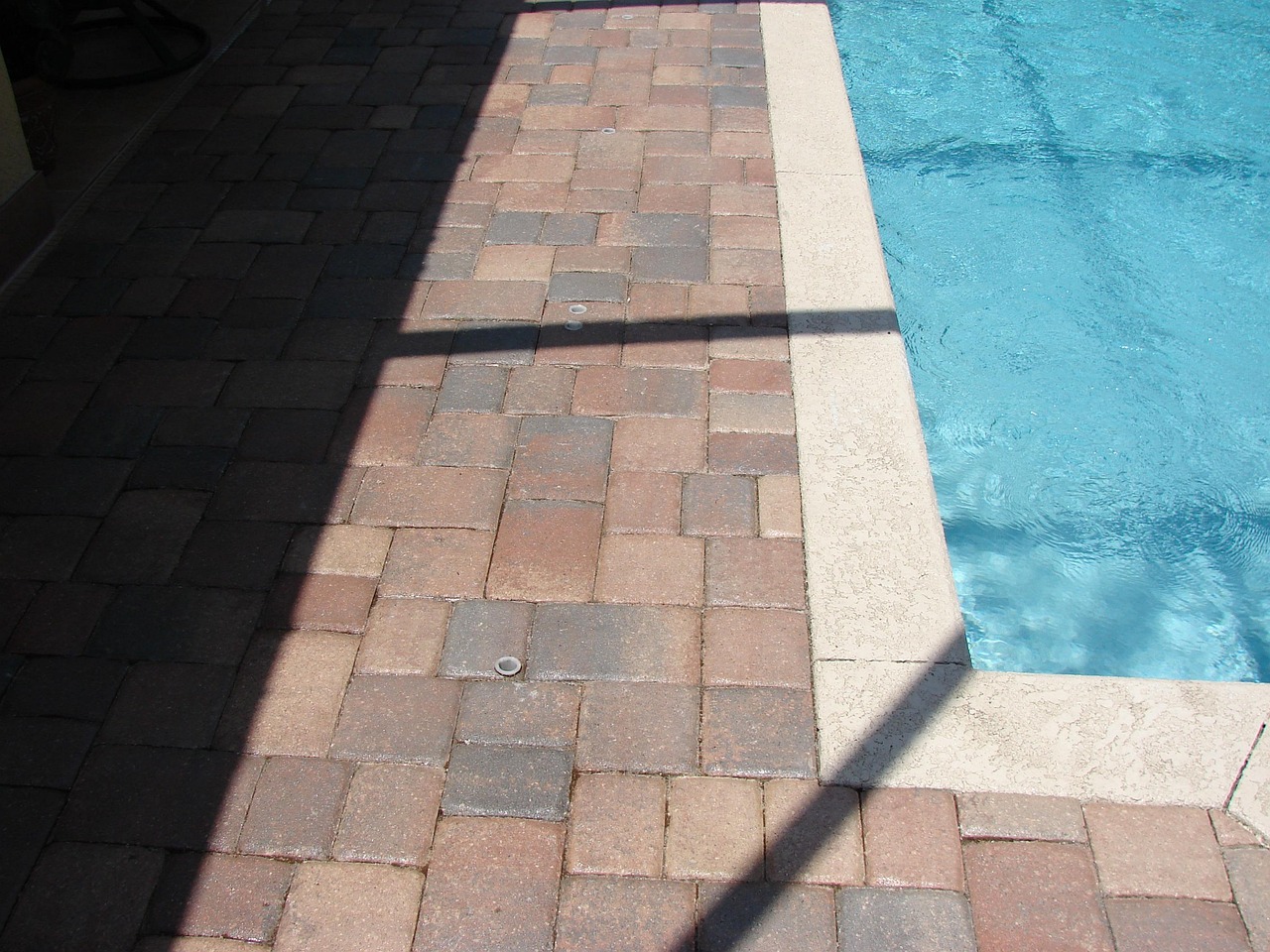
The Project Across Michigan
From historic courtyards in Detroit and Ann Arbor to lakefront terraces in Grand Rapids, paver patios represent a rewarding investment for Michigan homeowners. A laid stone or paver terrace creates an inviting setting for summer barbecues and fireside gatherings. However, building in the Upper Midwest requires engineering discipline. Simply excavating shallow dirt and laying pavers over loose gravel guarantees failure; winter freeze-thaw cycles heave stones out of alignment. Constructing a durable, frost-resilient Michigan paver patio base demands proper subgrade excavation, dense-graded aggregate compaction, concrete sand screeding, and joint stabilization. Homeowners can ensure lasting performance by exploring comprehensive gravel services across Michigan.
Selecting clean, angular aggregates provides rigid structural support while allowing excess moisture to drain safely. Browse popular materials for this area:
- 3/4″ minus base gravel → Best for compacting dense, non-yielding foundational base lifts beneath patio pavers.
- Concrete sand → Best for establishing a sharp, non-compacting one-inch screeded bedding layer.
- Mason sand → Best for blending mortar beds and sweeping fine joints between tightly fitted flagstones.
Learn more in our guide to 3/4″ minus base gravel.
How Michigan’s Soil and Climate Shape This Project
Michigan’s native soils feature heavy glacial clays and silty outwash loams that hold significant moisture during autumn rains and spring thaws. When subgrade soils freeze, trapped moisture expands by nine percent, exerting upward hydraulic pressure that easily tilts unbonded surface pavers.
Winter ground frost penetrates thirty-six to forty-eight inches across Lower Michigan and over fifty inches in northern counties. Saturated clay subsoils expand unevenly beneath patio footprints, causing differential frost heave. Installing a minimum six-to-eight-inch compacted base of 3/4-inch minus base gravel over non-woven geotextile fabric creates a rigid, non-frost-susceptible platform that flexes uniformly with seasonal temperatures, returning to an exact level plane each spring.
Best Aggregates for Paver Patio Construction in Michigan
Selecting matching stone and sand layers ensures your Michigan paver patio base supports heavy patio furniture and resists settling.
| Material | Best Used For | Key Advantage in Michigan |
|---|---|---|
| 3/4″ Minus Base Gravel (21AA) | Primary structural foundational base | Angular crushed limestone and fines pack into an unyielding monolithic platform. |
| Coarse Concrete Sand (ASTM C33) | One-inch screeded setting bed | Sharp angular sand grains resist washouts and do not compress into paver joints. |
| Mason Sand | Joint sweeping and dry paver setting | Fine screened silica sweeps easily between tight joints in dry weather. |
| Crushed Run Base Material | Sub-base stabilization over wet clay | Fractured stone matrix bridges soft subsoil pockets beneath large patio slabs. |
Crushed 3/4-inch minus base gravel is the definitive aggregate for patio foundations. Its engineered gradation contains sharp limestone chips down to rock dust, which locks together under mechanical plate compaction. For the bedding layer, coarse washed concrete sand is essential; fine rounded sands shift under heavy rainstorms, causing individual pavers to tip.
Step-by-Step Paver Patio Base Construction
Build a long-lasting, frost-resistant paver patio across Michigan with these proven installation practices.
- Excavate footprint: Dig down eight inches below grade, extending six inches beyond borders. Similar excavation is standard in Royal Oak.
- Pitch subgrade: Grade a one-to-two percent pitch sloping outward from structures.
- Install geotextile fabric: Lay needle-punched fabric across bare subgrade. Similar underlayment is used in Novi.
- Compact base aggregate: Distribute six inches of 3/4-inch minus base gravel, compacting in thin lifts.
- Screed bedding sand: Screed one inch of washed concrete sand. Similar bedding screeding is done in Holland.
- Lay pavers and edge restraints: Lay pavers, anchor rigid spiked edge restraints, and sweep polymeric sand into joints.
How Much Patio Material Do You Need?
Calculate patio base and sand quantities using standard formulas: Multiply patio length by width by material depth in feet to get cubic feet, divide by 27 for cubic yards, and multiply cubic yards by 1.4 to calculate total required tons.
Consider a 300-square-foot backyard paver patio in Michigan requiring a six-inch (0.5-foot) compacted aggregate base plus a one-inch (0.083-foot) concrete sand bedding layer:
Base gravel: 300 sq ft × 0.5 ft = 150 cubic feet.
150 / 27 = 5.56 cubic yards.
5.56 × 1.4 = 7.78 tons of 3/4-inch minus base gravel.
Bedding sand: 300 sq ft × 0.083 ft = 24.9 cubic feet.
24.9 / 27 = 0.92 cubic yards.
0.92 × 1.4 = 1.29 tons of concrete sand.
Ordering 9 tons of base gravel and 1.5 tons of concrete sand covers compaction settlement and edge over-excavation.
Common Mistakes to Avoid Across Michigan
- Installing an inadequate aggregate base: Laying pavers over only three to four inches of base rock leads to severe settling and frost heaves.
- Using limestone dust or mason sand for bedding: Fine dust retains water and turns soupy under rain, washing out through joints; always use sharp concrete sand.
- Compacting the sand bedding layer before laying pavers: Pavers must be set on loose screeded sand so final compaction embeds pavers firmly into the bedding.
- Omitting rigid border restraints: Without spiked commercial edge restraints, outer pavers slide outward into lawn turf under foot traffic.
- Sweeping polymeric sand when paver surfaces are damp: Moisture activates polymeric binders prematurely, creating permanent white haze stains on paver faces.
Sourcing, Permitting, and Delivery in Michigan
Uncovered, permeable residential paver patios typically do not require municipal building permits in Michigan unless constructing raised terraces or retaining walls exceeding four feet. Check local property setback ordinances. For landscape engineering insights and regional soil data, review resources from MSU Extension.
Commercial dump trucks delivering base stone and washed concrete sand require paved driveway access. Protect driveways with heavy plywood sheets before scheduling bulk aggregate drops.
Frequently Asked Questions
How deep should a paver patio base be in Michigan?
A pedestrian paver patio requires six to eight inches of compacted 3/4-inch minus base gravel over geotextile fabric. If the patio supports heavy outdoor kitchens or vehicle traffic, increase base depth to ten or twelve inches.
Can I use limestone screenings instead of concrete sand for bedding?
No. Industry standards from the Interlocking Concrete Pavement Institute (ICPI) strictly prohibit stone dust bedding because it traps moisture and degrades during winter freeze-thaw cycles. Always use coarse ASTM C33 concrete sand.
Why do pavers heave and become uneven in winter?
Uneven frost heaving happens when water accumulates in poorly drained subgrades beneath the patio. Compacted crushed stone and positive subgrade pitch prevent water pooling and eliminate heaving.
How do I prevent weeds and ants between patio paver joints?
Use high-performance polymeric jointing sand. When swept dry into paver joints and misted with water, polymeric polymers harden into a flexible, pest-proof seal that blocks weed germination.
Related Resources
- 3/4″ Minus Base Gravel Specifications
- Concrete Sand Product Information
- Mason Sand Product Details
- Comprehensive Paver Base Guide
Final Thoughts
Building a properly engineered Michigan paver patio base guarantees your outdoor living space remains level, stable, and beautiful through decades of harsh Midwest winters. Explore comprehensive gravel and landscape stone services across Michigan to source certified limestone bases, washed setting sands, and filtration fabrics directly from regional quarries. Trust Simple Gravel to supply professional-grade aggregates for all your patio construction needs.











