




The Project Across Michigan
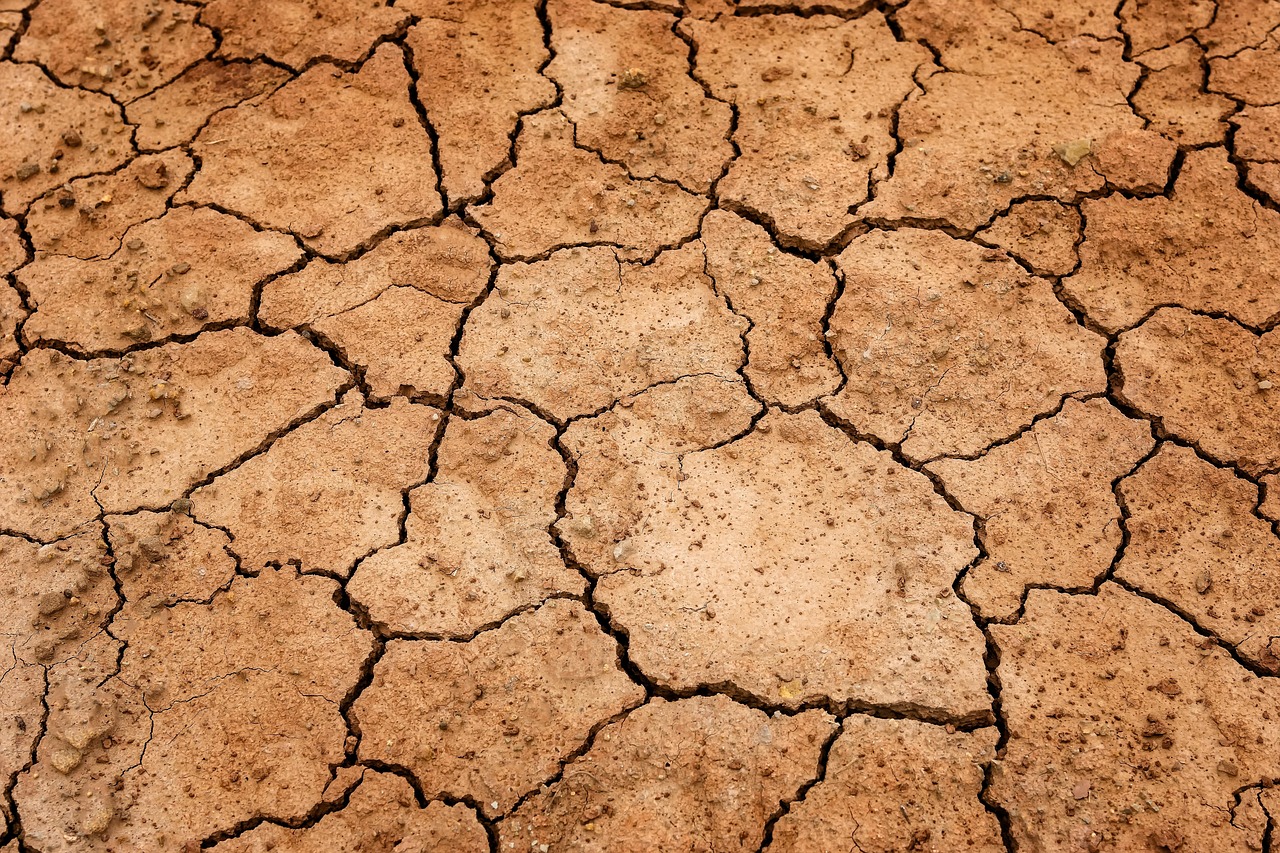
Michigan’s diverse geography presents gardeners, landscapers, and homeowners with two contrasting soil extremes: dense, heavy glacial clay and excessively porous dune sand. Homeowners in southeastern counties and lakeplain basins struggle with sticky clay that holds water like a bathtub, suffocating plant roots in spring and baking into hard brick in summer. Conversely, property owners along western Lake Michigan and northern outwash plains contend with drought-prone sand that drains fertilizer and moisture almost instantly. Cultivating healthy lawns, thriving flower beds, and productive vegetable gardens requires selecting appropriate Michigan topsoil amendments, balancing soil porosity with organic matter, and applying certified weed-free screened loam. Property owners across both peninsulas can source bulk soil amendments through reliable gravel and soil services across Michigan.
Selecting balanced soil blends and organic amendments transforms difficult native ground into fertile growing beds. Browse popular materials for this area:
- Screened topsoil → Best for grading low spots, repairing damaged lawn turf, and establishing a balanced loam foundation.
- Compost soil → Best for loosening heavy clay, boosting sand moisture retention, and restoring microbial activity.
- Garden soil → Best for filling raised garden beds with an enriched blend of loam, sand, and organic nutrients.
Learn more in our guide to premium screened topsoil.
How Michigan’s Soil and Climate Shape This Project
Michigan’s soil map reflects dramatic glacial history. The Lower Peninsula’s southern and eastern basins (such as Wayne, Macomb, and Saginaw counties) feature heavy lacustrine clays deposited by ancient glacial lakes. These clays consist of microscopic, tightly packed mineral platelets that limit air and water movement. Adding pure sand to heavy clay without organic matter creates a mixture resembling concrete; only organic compost breaks up clay platelets effectively.
In contrast, western and northern regions (including Kent, Muskegon, and Ottawa counties) feature extensive sandy outwash and dune deposits. Sandy soils have large pore spaces that drain water rapidly, washing away soluble nitrogen and potassium. For sandy ground, incorporating rich compost soil and screened topsoil adds moisture-holding humus, creating a spongy matrix that holds water and nutrients near shallow plant root zones.
Best Soil Blends and Amendments Across Michigan
Matching organic amendments to your native soil classification guarantees healthy plant growth across Michigan topsoil amendments projects.
| Material | Best Used For | Key Advantage in Michigan |
|---|---|---|
| Screened Topsoil | Lawn establishment and grade leveling | Screened free of stones and debris, providing a consistent loam base for turf roots. |
| Organic Compost Soil | Clay loosening and sand moisture retention | Loaded with beneficial microorganisms and organic humus that restore soil structure. |
| Enriched Garden Soil | Raised beds and intensive vegetable boxes | Pre-blended mix of loam, compost, and sand ensures immediate fertility and drainage. |
| Shredded Bark Mulch | Surface moisture retention and weed control | Insulates shallow plant roots against winter freezes and suppresses summer weeds. |
Premium screened topsoil is the essential foundation for lawn repairs and leveling. Screened down to 1/2-inch or smaller, it spreads easily and contains no rocks or sod clumps. When amending gardens, blending topsoil with thirty percent rich compost soil creates a self-sustaining ecosystem that supports deep earthworm activity and vigorous root growth.
Step-by-Step Native Soil Amending
Transform difficult Michigan clay or sand into thriving landscape soil with these proven steps.
- Test soil pH and organic content: Collect soil samples from multiple yard spots and submit them to a local extension lab. Similar testing is standard in Royal Oak.
- Aerate or till the existing ground: Core aerate compacted clay lawns, or lightly till the top four to six inches of native garden soil.
- Spread organic compost amendment: Spread two to three inches of compost soil evenly across the garden bed surface. Similar bed preparation is practiced in Novi.
- Till compost into native soil: Thoroughly till compost into the upper six inches of native clay or sand to integrate organic matter.
- Apply screened topsoil cap: Spread two to three inches of premium screened topsoil across the amended area, raking smooth. Similar topsoil grading is done in Holland.
- Mulch or seed immediately: Spread grass seed and starter fertilizer for lawns, or apply shredded bark mulch over flower beds to protect loose soil from erosion.
How Much Soil Do You Need?
Calculate bulk soil requirements using standard volume formulas: Multiply project area by desired soil depth in feet to determine cubic feet, then divide by 27 to calculate cubic yards.
Consider top-dressing and leveling a 1,000-square-foot lawn area in Michigan with a one-inch (0.083-foot) layer of screened topsoil:
1,000 sq ft × 0.083 ft = 83 cubic feet.
83 / 27 = 3.07 cubic yards.
Because bulk soils settle approximately ten percent after initial watering, ordering 3.5 cubic yards ensures ample material for leveling low lawn pockets.
Common Mistakes to Avoid Across Michigan
- Adding sand to dense clay soil: Mixing coarse sand directly into clay creates an unworkable brick-like hardpan; always use organic compost instead.
- Tilling clay soil when wet: Working saturated clay destroys natural soil aggregates, creating hard, impenetrable clods when dry.
- Using unscreened fill dirt for lawn establishment: Fill dirt lacks organic matter and contains rocks, debris, and weed seeds that choke turfgrass.
- Neglecting soil pH balance: Pine needles and sandy soils can be acidic, while limestone areas are alkaline; test pH before heavy planting.
- Spreading topsoil over un-aerated clay: Adding soil over compacted clay creates a distinct boundary layer that stops plant roots from growing deep.
Sourcing, Permitting, and Delivery in Michigan
Importing topsoil and organic compost for residential landscaping does not require municipal building permits in Michigan. Commercial land alterations exceeding one acre must comply with Michigan EGLE stormwater management permits. For detailed soil test kits and amendment recommendations, review technical resources from MSU Extension.
Bulk soil delivery requires careful drop site preparation. Place heavy tarps on driveways to keep pavement clean and facilitate wheelbarrow loading before ordering bulk delivery.
Frequently Asked Questions
How do I break up heavy clay soil in my Michigan yard?
Incorporate two to three inches of rich organic compost soil into the top six inches of native clay. Organic matter separates clay platelets, improves aeration, and encourages earthworms.
Can I fix droughty sandy soil by adding topsoil on top?
While topsoil helps, tilling organic compost deep into the sand is more effective. Humus acts like a sponge, holding water and dissolved nutrients in the root zone.
What is the difference between screened topsoil and garden soil?
Screened topsoil is native loam filtered to remove rocks and roots, ideal for lawns and general grading. Garden soil is a pre-blended mix containing extra compost and nutrients formulated specifically for flowers and vegetables.
When is the best time of year to amend soil in Michigan?
Early autumn (September to mid-October) is the best time. Fall rains help integrate amendments, and winter freeze-thaw cycles naturally incorporate organic matter before spring planting.
Related Resources
- Screened Topsoil Specifications
- Organic Compost Soil Details
- Garden Soil Product Information
- Comprehensive Topsoil Guide
Final Thoughts
Choosing proper Michigan topsoil amendments reveals the full potential of your property, whether you are taming heavy clay or enriching dry sand. Browse complete gravel and landscape stone services across Michigan to source screened topsoil, rich composts, and decorative pathway gravels. Trust Simple Gravel to deliver high-quality planting soils right to your driveway.











