




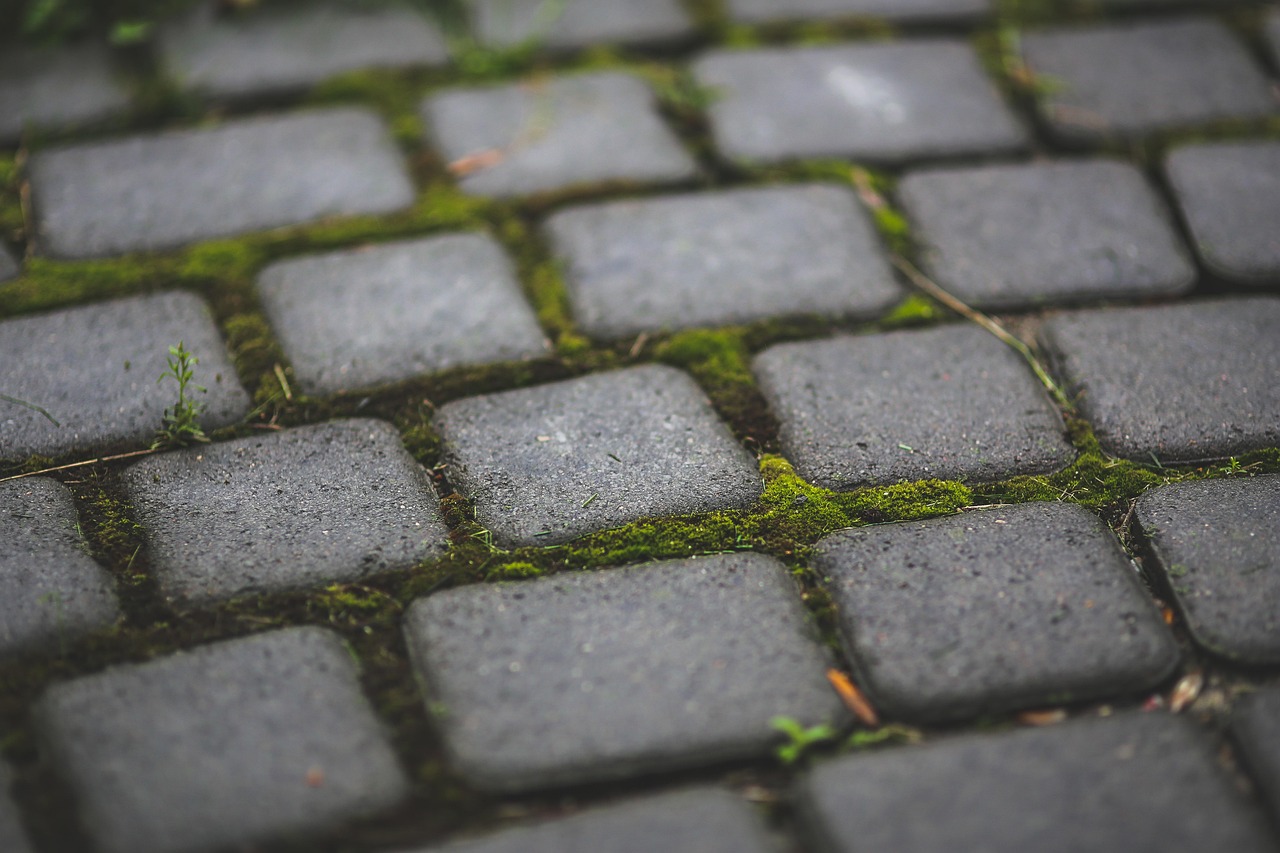
The Project Across Minnesota
Adding a paver patio creates stunning outdoor living spaces for dining and gatherings. Whether installing a suburban courtyard or a lakeside terrace, pavers provide timeless beauty. However, building patios in Minnesota requires engineering that respects deep freezes. Ground frost regularly penetrates forty-eight to sixty inches. When patios are laid over shallow sand or unreinforced dirt, winter freezes turn moisture into destructive ice lenses. Patios heave unevenly, pavers shift, and spring thaws leave dips. Constructing an unyielding Minnesota paver patio base using dense 3/4-inch minus base gravel, concrete sand, and geotextile fabric ensures flatwork remains level through decades of freeze-thaw cycles. Homeowners can source base materials through dependable gravel and landscape stone services across Minnesota.
Selecting angular quarry aggregates creates interlocking stone courses that resist winter frost displacement. Browse popular materials for this area:
- 3/4″ minus base gravel → Best for compacting dense, non-yielding foundational base lifts that resist severe winter frost displacement.
- Concrete sand → Best for sharp, coarse bedding sand layers that do not wash away or compress beneath pavers.
- Stone dust → Best for firm underlayment beds and leveling flagstone and irregular natural stone slabs.
Learn more in our guide to 3/4 minus base gravel.
How Minnesota’s Soil and Climate Shape This Project
Minnesota’s landscape contains diverse glacial soils, from heavy lacustrine clays to dense glacial till loams across central and southern counties. Native clay soils expand dramatically when wet and shrink as they dry, creating shifting ground conditions.
Minnesota winters deliver prolonged Arctic freezes, with ground frost penetrating four to six feet deep. When water is trapped in fine subgrade soil directly beneath patio pavers, it freezes into thick ice lenses that lift pavers upward. When spring arrives, melting ice leaves subterranean voids that cause individual stones to settle unevenly. Installing an eight-to-ten-inch compacted base of 3/4-inch minus gravel over non-woven geotextile fabric creates a free-draining, rigid platform that eliminates capillary moisture draw and keeps pavers smooth and level.
Best Aggregates for Paver Patio Bases in Minnesota
Choosing proper aggregate gradations ensures your Minnesota paver patio base installation provides lasting structural support.
| Material | Best Used For | Key Advantage Across Minnesota |
|---|---|---|
| 3/4″ Minus Base Gravel (Class 5) | Primary structural sub-base foundation | Crushed limestone and rock dust pack into an unyielding, non-settling platform. |
| Washed Concrete Sand (ASTM C33) | One-inch paver bedding layer | Angular silica grains do not wash away or turn mushy under freeze-thaw action. |
| Stone Dust (Screenings) | Alternative bedding for natural flagstone | Packs into a firm floor that stabilizes irregular stone slabs without shifting. |
| Polymeric Sand | Paver joint stabilization | Binds tightly between paver joints, preventing weed growth and ant infestation. |
Washed concrete sand (ASTM C33) is mandatory for the one-inch bedding layer beneath pavers. Unlike fine rounded masonry sand, coarse concrete sand features angular grains that interlock into paver joints during plate compaction, preventing stones from creeping sideways under foot traffic.
Step-by-Step Paver Patio Base Installation
Construct a freeze-proof paver patio base in Minnesota with these systematic installation steps.
- Excavate patio footprint: Dig out ten to twelve inches of soil, extending six inches beyond borders. Similar prep is practiced in Stillwater.
- Pitch subgrade away: Slope the excavation floor at a two percent grade (one-quarter inch drop per foot). Similar practices apply in Edina.
- Lay non-woven geotextile: Roll needle-punched geotextile across subsoil, overlapping seams by eighteen inches.
- Install 3/4-inch minus base: Spread six to eight inches of base gravel in two lifts, compacting each lift with a plate compactor.
- Screed concrete sand: Set screed pipes and draw an uncompacted one-inch layer of moist concrete sand flat. Similar methods are used in Lakeville.
- Lay pavers and anchor edges: Place pavers, install spiked edge restraints, and sweep polymeric sand into joints.
How Much Patio Base Material Do You Need?
Calculate patio base volume using standard formulas: Multiply patio length by width by material depth in feet for cubic feet, divide by 27 for cubic yards, and multiply by density factor (1.4 for gravel, 1.35 for sand tons).
A 300-square-foot paver patio requiring an eight-inch (0.67-foot) compacted base of 3/4-inch minus gravel and a one-inch (0.08-foot) bedding layer of concrete sand:
Base gravel: 300 sq ft × 0.67 ft = 201 cu ft (7.44 cu yd × 1.4 = 10.42 tons).
Bedding sand: 300 sq ft × 0.08 ft = 24 cu ft (0.89 cu yd × 1.35 = 1.20 tons).
Adding ten percent yields approximately 11.5 tons of base gravel and 1.5 tons of concrete sand, delivered in a single dump truck drop.
Common Mistakes to Avoid in Minnesota
- Building base layers too shallow: Applying only four inches of base gravel over native clay allows frost heave to warp pavers during the first winter.
- Using stone dust or screenings for bedding: Stone dust holds moisture and turns mushy during freeze-thaw cycles; always use coarse concrete sand.
- Skipping non-woven geotextile fabric: Native subsoil clay migrates into crushed gravel base layers, causing patio settling within two seasons.
- Compacting bedding sand before laying pavers: Bedding sand must remain loose during screeding so pavers seat properly during final compaction.
- Omitting rigid edge restraints: Without spiked perimeter edging, outer pavers slide outward into adjacent turf under foot traffic.
Local Sourcing, Permitting, and Delivery Across Minnesota
Standard on-grade residential paver patios do not require building permits in Minnesota, provided they do not involve raised decks, retaining walls exceeding four feet, or encroach upon utility easements. In shoreland overlay districts near lakes, verify impervious surface allowances with local watershed districts. For outdoor construction advice, consult publications from the University of Minnesota Extension.
Coordinate aggregate delivery carefully. Heavy tri-axle dump trucks require firm driveway staging. Place heavy tarps on driveways before ordering bulk patio aggregates across Minnesota.
Frequently Asked Questions
How deep should a paver patio base be in Minnesota?
A residential pedestrian paver patio requires six to eight inches of compacted 3/4-inch minus base gravel over geotextile fabric. Driveway paver bases require ten to twelve inches.
Can I use masonry sand instead of concrete sand for bedding?
No. Masonry sand is too fine and contains rounded grains that shift under pressure. ASTM C33 concrete sand features sharp, angular grains that lock pavers securely.
What is the best way to prevent weeds between patio pavers?
Sweep high-performance polymeric sand into paver joints and activate with water mist. The sand hardens into an elastic barrier that blocks weeds and ants.
How do I fix pavers that have shifted after winter frost?
Lift the shifted pavers, re-level the bedding sand course, re-seat the pavers, sweep fresh polymeric sand into the joints, and compact with a padded plate compactor.
Related Resources
- 3/4″ Minus Base Gravel Specifications
- ASTM C33 Concrete Sand Details
- Stone Dust Product Information
- Comprehensive Paver Base Guide
Final Thoughts
Building an engineered Minnesota paver patio base with dense crushed stone and sharp concrete sand protects your outdoor living investment against sub-zero winters and destructive frost heave. Explore complete gravel and landscape stone services across Minnesota to source regional limestone, granite bases, and bedding sand. Contact Simple Gravel today to calculate your job site quantities and schedule your bulk aggregate delivery with complete confidence.











