




The Project in Horace
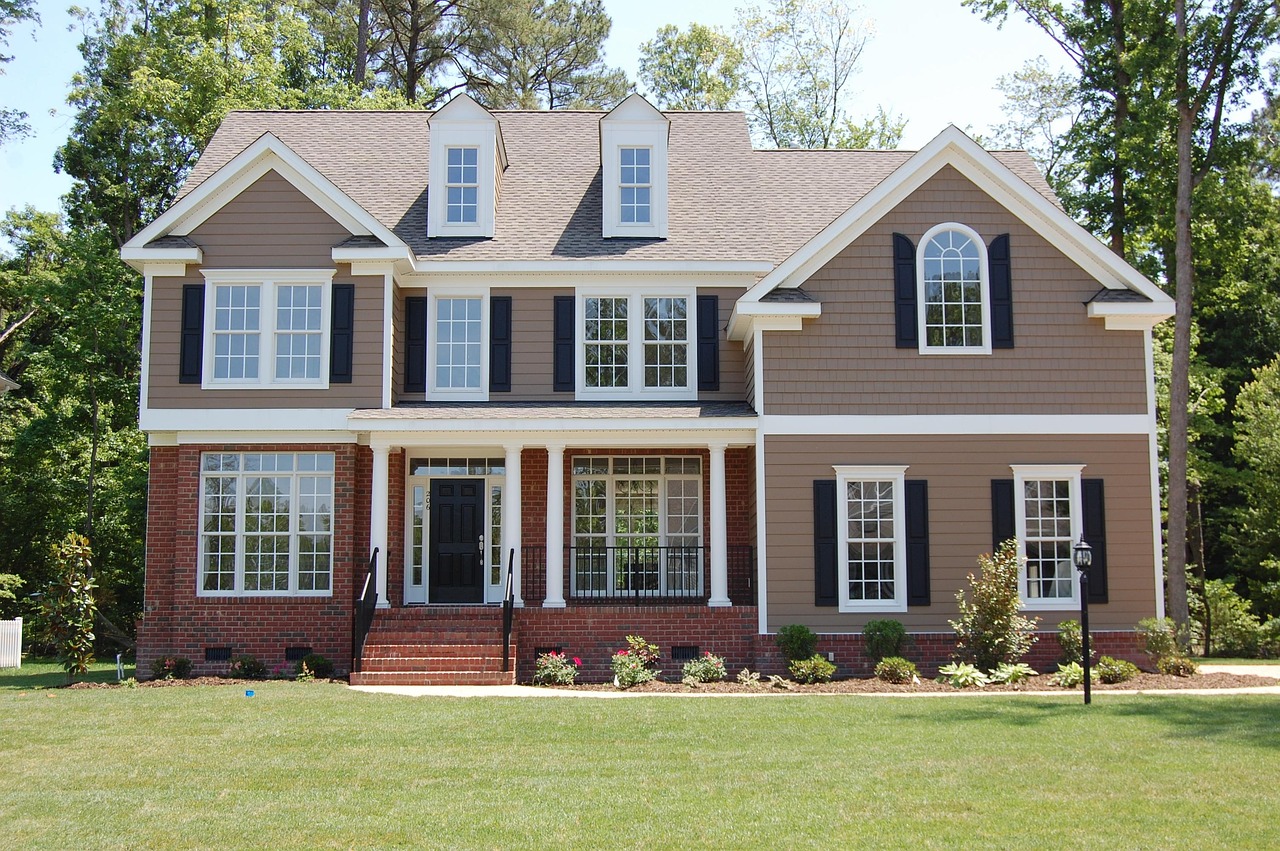
Located southwest of Fargo in Cass County, Horace is one of North Dakota’s fastest-growing communities. Subdivisions along the Sheyenne River offer spacious lots, but building an attractive lawn on newly constructed parcels presents soil challenges. Excavation machinery strips native topsoil, leaving severely compacted subsoil. Without grading and soil restoration, standing water drowns turf seed, while prairie sun bakes raw subsoil into cracked clay. Sourcing certified materials through landscaping materials in Horace provides the nutrient-rich screened topsoil and clean aggregates required to build flourishing yards.
Implementing an engineered new build yard Horace ND plan with screened topsoil, clean #57 drainage stone, and shredded bark mulch ensures rapid turf establishment and efficient stormwater infiltration.
Why Horace’s Soil and Climate Shape This Project
Horace sits within the ancient Glacial Lake Agassiz basin, famous worldwide for dense Fargo and Hegne silty clay soils. These soils have the highest clay content of any agricultural basin in North America, with microscopic clay plates that swell tightly when wet and shrink into deep fissures when dry. Rainwater and snowmelt cannot percolate downward naturally through the dense subgrade.
In addition, winter temperatures across Cass County regularly plummet to thirty degrees below zero, driving frost five to seven feet into the ground. Agronomists at North Dakota State University Extension emphasize that establishing lawns on Lake Agassiz clay requires deep mechanical scarification. Spreading at least four to six inches of premium screened topsoil over decompacted clay introduces essential pore space that allows grass roots to breathe, while installing gravel drainage swales prevents standing water from freezing into suffocating winter ice sheets.
Best Soil and Aggregate Options for Horace New Builds
Overcoming heavy lakebed clay requires balanced soil amendments and washed drainage aggregates:
- Screened topsoil → Sifted native black loam free of rocks and heavy clay clods. It provides an ideal nutrient-rich seedbed that promotes rapid turf root penetration.
- #57 stone → Washed 3/4-inch angular crushed stone with zero fines. It provides forty percent open void space for French drain trenches, footing swales, and subgrade sump lines.
- Bark mulch → Shredded natural hardwood bark. It suppresses weeds, moderates soil temperature, and retains vital moisture in foundation planting beds.
Step-by-Step New Yard Installation on Red River Clay
Subsoil ripping, grade establishment, and layered material placement ensure long-term lawn success:
- Decompact subsoil: Deep-rip compacted clay four to six inches deep to break up hardpan. Builders in nearby Casselton follow this decompaction standard.
- Establish rough grade: Slope subgrades six inches down over ten feet away from foundations toward street gutters or swales.
- Install stone drainage trenches: In yard depressions, excavate trenches twelve inches wide, line with fabric, and backfill with #57 stone around pipe.
- Spread screened topsoil: Distribute screened topsoil four to six inches deep across the yard, raking smooth for a uniform seedbed.
- Sow cold-hardy seed: Broadcast a northern blend of Kentucky bluegrass and fescue, rolling lightly for firm seed contact.
- Mulch landscape beds: Spread three inches of bark mulch around foundation shrub beds, keeping mulch away from siding.
How Much Topsoil and Stone Do You Need?
Accurate material calculations prevent expensive delivery delays. Screened topsoil weighs roughly 1.15 to 1.2 tons per cubic yard, while #57 crushed drainage stone weighs about 1.4 tons per yard. Covering a 5,000-square-foot new yard with four inches of screened topsoil requires roughly 62 cubic yards, or about 74 tons of loam. A 60-foot drainage swale twelve inches wide and eighteen inches deep requires roughly 3.3 cubic yards, or about 4.6 tons of #57 stone. Explore our guide to screened topsoil for detailed yard calculators.
| Material | Project Depth | Estimated Coverage per Ton / Yard |
|---|---|---|
| Screened topsoil | 4 to 6 inches | 50 to 80 sq ft per cu yd |
| #57 clean drainage stone | 12 to 18 inches | 18 to 25 linear ft per ton |
| Shredded bark mulch | 3 inches | 100 to 110 sq ft per cu yd |
| Fill dirt rough grade | 6 to 12 inches | 25 to 50 sq ft per ton |
Common Mistakes to Avoid in Horace
The most common failure on new Fargo-area lots is hydroseeding directly onto compacted subsoil without adding screened topsoil. Grass seed germinates in damp weather, but roots cannot penetrate dense lakebed clay, causing lawns to wither during summer heat. Implementing an engineered new build yard Horace ND project with deep topsoil and gravel drainage establishes permanent root systems. Another critical error is grading yards completely flat; flat clay ground pools snowmelt, creating winter ice ponds that kill turf crowns.
Do not work heavy clay soil when it is saturated with water. Rototilling or driving over wet clay smears soil pores and creates rock-hard adobe bricks when dry.
Local Sourcing, Permitting, and Delivery in Horace
Residential yard grading, topsoil installation, and lawn seeding do not require municipal building permits in Horace. However, homeowners must comply with city stormwater drainage plans and maintain established subdivision swale elevations to avoid flooding adjacent parcels.
When booking soil and stone delivery, partner with experienced Horace landscaping aggregate suppliers. New housing developments often feature narrow residential streets and active construction traffic. Select a flat, paved drop zone on your driveway and ensure street gutters remain clear of spilled material.
Frequently Asked Questions
Why does water stand in new Horace yards for days after rain?
Glacial Lake Agassiz clay has microscopic pore spaces that drain water very slowly. Without positive surface grading and gravel swales, water ponds on the surface.
How thick should topsoil be over new-build clay?
A minimum of four inches of screened topsoil is required for healthy turf establishment, though six inches provides superior root depth and summer drought tolerance.
What grass seed performs best on Red River Valley clay?
A mixture of seventy percent cold-hardy Kentucky bluegrass and thirty percent turf-type tall fescue provides excellent winter survival, traffic tolerance, and deep rooting.
Can I mix sand into heavy clay to improve drainage?
No. Adding sand to heavy clay creates a dense, concrete-like mixture. Instead, decompact the clay mechanically and add screened organic loam and compost.
Related Resources
- Screened black topsoil for healthy new lawn seedbeds
- Clean #57 drainage rock for residential French drain trenches
- Shredded hardwood bark mulch for moisture-retaining plant beds
- Complete guide to new construction lawn installation
Final Thoughts
Building a lush, thriving yard on Red River Valley clay requires working with the unique geotechnical traits of Lake Agassiz soils. Implementing a carefully engineered new build yard Horace ND plan with subsoil decompaction, generous screened topsoil, and clean #57 stone drainage swales guarantees your home enjoys a green, resilient lawn that withstands scorching summer dry spells and brutal prairie winters. Explore complete North Dakota landscaping materials and stone options to source certified topsoil and gravel across Cass County. Contact Simple Gravel today to calculate your soil volumes and arrange fast, reliable delivery through trusted Horace topsoil and aggregate delivery specialists.











