




Constructing a durable, all-weather gravel driveway across residential properties in Mount Pleasant requires building an engineered, multi-layered aggregate pavement. Situated in Racine County near Interstate 94 / I-41, State Highway 20 (Washington Avenue), and State Highway 31 (Green Bay Road), properties in Mount Pleasant contend with Oak Creek Formation clayey till and lacustrine silts resting over Silurian dolomite. The flat topography of the Lake Michigan coastal plain combined with high spring water tables makes subgrades highly prone to saturation. When heavy vehicles drive over unpaved ground or thin gravel layers, tire pressure pushes stone deep into the soft clay subgrade, creating muddy ruts, standing puddles, and impassable washboards during spring thaws. Understanding the engineered structural layers of a new gravel driveway Mount Pleasant WI homeowners build ensures your driveway remains firm, smooth, and well-drained year-round. Property owners can schedule rapid bulk deliveries through our Mount Pleasant gravel delivery page to secure dense road base and clean driving stone.
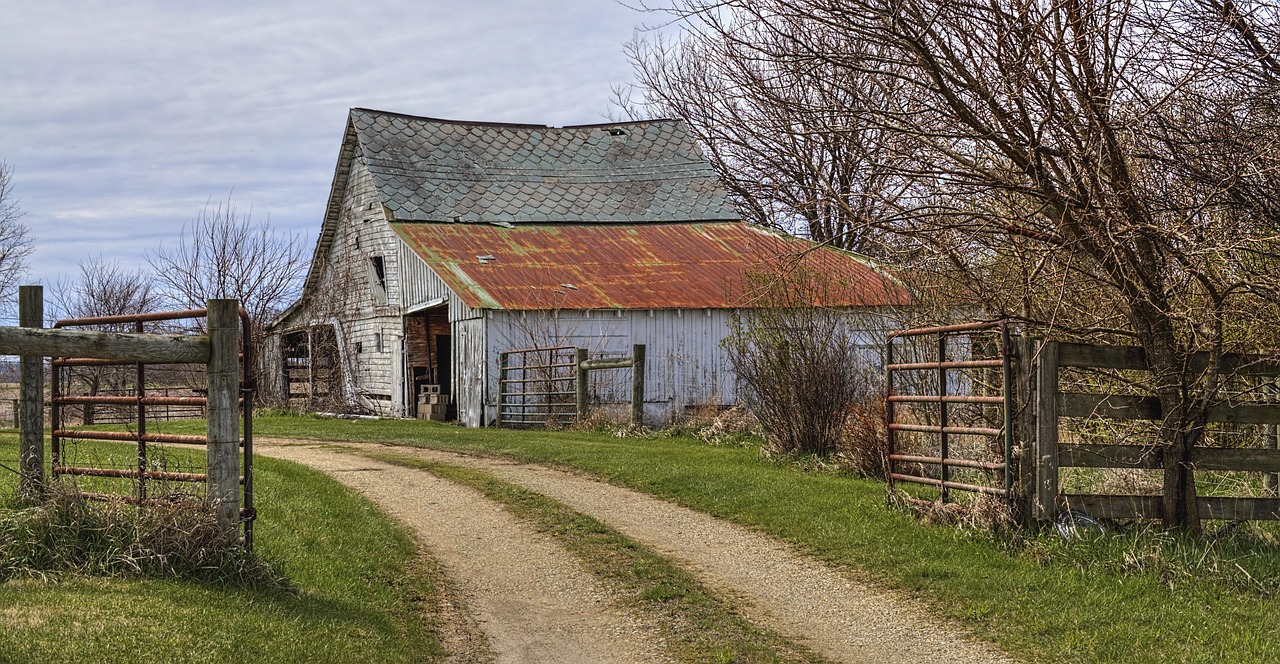
An engineered multi-layered gravel driveway distributes heavy vehicle weight across soft clay till, prevents tire rutting, and sheds stormwater into drainage ditches.
To inspect Racine County Oak Creek glacial till geology, lacustrine silt distribution, and local residential driveway ordinances, check:
Geography and Soil Characteristics of Mount Pleasant, Wisconsin (Wikipedia)
Why Clay Till Demands a New Gravel Driveway Mount Pleasant WI
Dense clayey till in Mount Pleasant has very low permeability, retaining water like a sponge during spring thaws and autumn rainstorms. Pouring a single layer of gravel onto bare soil always fails because vehicle tires pump wet clay upward into the stone. Constructing an engineered new gravel driveway Mount Pleasant WI contractors build relies on three distinct aggregate courses separated from subsoil by heavy geotextile fabric.
Compacted crushed run base material and road base gravel incorporate fractured stone chips with mineral fines that interlock under heavy vibratory rolling to create a semi-impervious, rigid core. Surfacing the base with clean #57 stone provides an open, mud-free driving tread that sheds rainwater into road ditches while providing excellent tire traction. For projects in adjacent Racine County communities, check our Caledonia gravel delivery options for compatible materials.
- High-density interlocking foundation base → Crushed run
- Standard road-grade compacted base rock → Road base gravel
- Clean angular surface driving aggregate → #57 stone
- Subgrade stabilization rock → 1 1/2″ clean rock
Explore driveway gravel in Mount Pleasant today
The Three Structural Courses of an Engineered Gravel Driveway
Layering distinct aggregate sizes over heavy geotextile fabric creates a permanent roadbed that resists rutting and frost heaving.
| Driveway Layer | Recommended Aggregate | Structural Function |
|---|---|---|
| Upper Driving Tread (2″ to 3″) | #57 Stone (3/4″ Clean Washed) | Washed angular rock provides traction, eliminates mud tracking, and sheds water into side ditches. |
| Compacted Middle Base (4″ to 6″) | Crushed Run Base Material | Fractured stone and rock dust interlock under compaction to form a solid, rigid load-bearing core. |
| Subgrade Stabilization Bed (4″) | 1 1/2″ Clean Rock (or Road Base) | Bridges soft, saturated native clayey till subsoil to prevent point-load sinking. |
| Perimeter Drainage Ditch Stone | Riprap Rock (or #4 Stone) | Armors side ditches against stormwater scour along flat coastal plain building lots. |
Excavating and Underlayment Installation in Mount Pleasant
Excavate the driveway corridor to a depth of eight to twelve inches below finished grade, establishing a width of ten to twelve feet for single drives or eighteen to twenty feet for two-vehicle passes. Crown the excavated floor, creating a subtle two percent pitch from the center toward side drainage swales. Tamp the native clay subgrade thoroughly with a heavy vibratory roller.
Roll out heavy-duty non-woven geotextile fabric across the entire excavated roadbed, overlapping seams by at least twelve inches. In Mount Pleasant, this geotextile layer is vital; it prevents soft lacustrine clay from churning upward into your crushed aggregate while permitting rainwater to percolate downward naturally into the subsoil profile.
Placing, Compacting, and Crowning the Roadbed
Spread crushed run or road base gravel over the geotextile fabric in three-inch lifts. Lightly spray each layer with water to achieve optimum compaction density, then run a heavy vibratory roller over the roadbed in overlapping passes. Build the base to a compacted depth of six inches. Review our comprehensive crushed run material guide for moisture density curves and compaction metrics.
Cap the compacted base with a two- to three-inch layer of washed #57 stone. Grade the surface with a continuous center crown, ensuring the center of the road sits two to three inches higher than the shoulders. A properly crowned gravel driveway sheds heavy Wisconsin rainstorms immediately, preventing potholes, washboards, and standing water.
Benefits of Bulk Aggregate Delivery in Mount Pleasant
- Dump truck delivery drops multiple tons of crushed road base directly onto your driveway corridor.
- Dramatically more cost-effective per ton than buying individual bags from retail home centers.
- Quarry-direct crushed limestone guarantees consistent gradation and high compressive load resistance.
- Experienced drivers navigate residential avenues near Highway 20 and Highway 31 safely.
Calculating Aggregate Quantities for New Driveways
Accurate material calculation prevents shortages when ordering new gravel driveway Mount Pleasant WI supplies. Measure driveway length in feet, multiply by width in feet to determine square footage, multiply by total aggregate depth in inches, and divide by 324 to determine total cubic yards. Compacted road base and #57 stone weigh approximately 1.4 tons per cubic yard.
For example, if you are building an 80-foot driveway that is 12 feet wide (960 square feet) with an 8-inch total depth of crushed stone, multiply 960 by 8 to get 7,680. Divide 7,680 by 324 to find 23.70 cubic yards. Multiplying 23.70 cubic yards by 1.4 tons indicates that you will need approximately 33.2 tons of bulk aggregate (approx. 24.9 tons of base gravel and 8.3 tons of #57 stone).
Frequently Asked Questions
Why is geotextile fabric necessary under a new gravel driveway?
Geotextile fabric stops soft native clay till from mixing into crushed rock, preventing stone from sinking and stopping mud ruts permanently.
How thick should a residential gravel driveway be in Mount Pleasant?
A residential gravel driveway should have a total compacted thickness of eight to ten inches, consisting of six inches of base rock and two to three inches of clean stone.
What is the purpose of crowning a gravel driveway?
A crown raises the center of the driveway higher than the shoulders, forcing rainwater to shed quickly into side ditches rather than forming puddles.
How often should a gravel driveway be graded in Wisconsin?
Grade the driveway once or twice a year with a box blade or landscape rake to restore the center crown and smooth out minor depressions.
Final Thoughts
Building a new gravel driveway with engineered aggregate layers ensures your Mount Pleasant property enjoys reliable year-round access. By combining heavy geotextile fabric with compacted crushed run base rock and a water-shedding #57 stone crown, you build a durable driveway that easily withstands heavy Wisconsin winters and spring thaws. Find your Wisconsin delivery area here to schedule bulk delivery of road base gravel and clean crushed stone straight to your property.











