




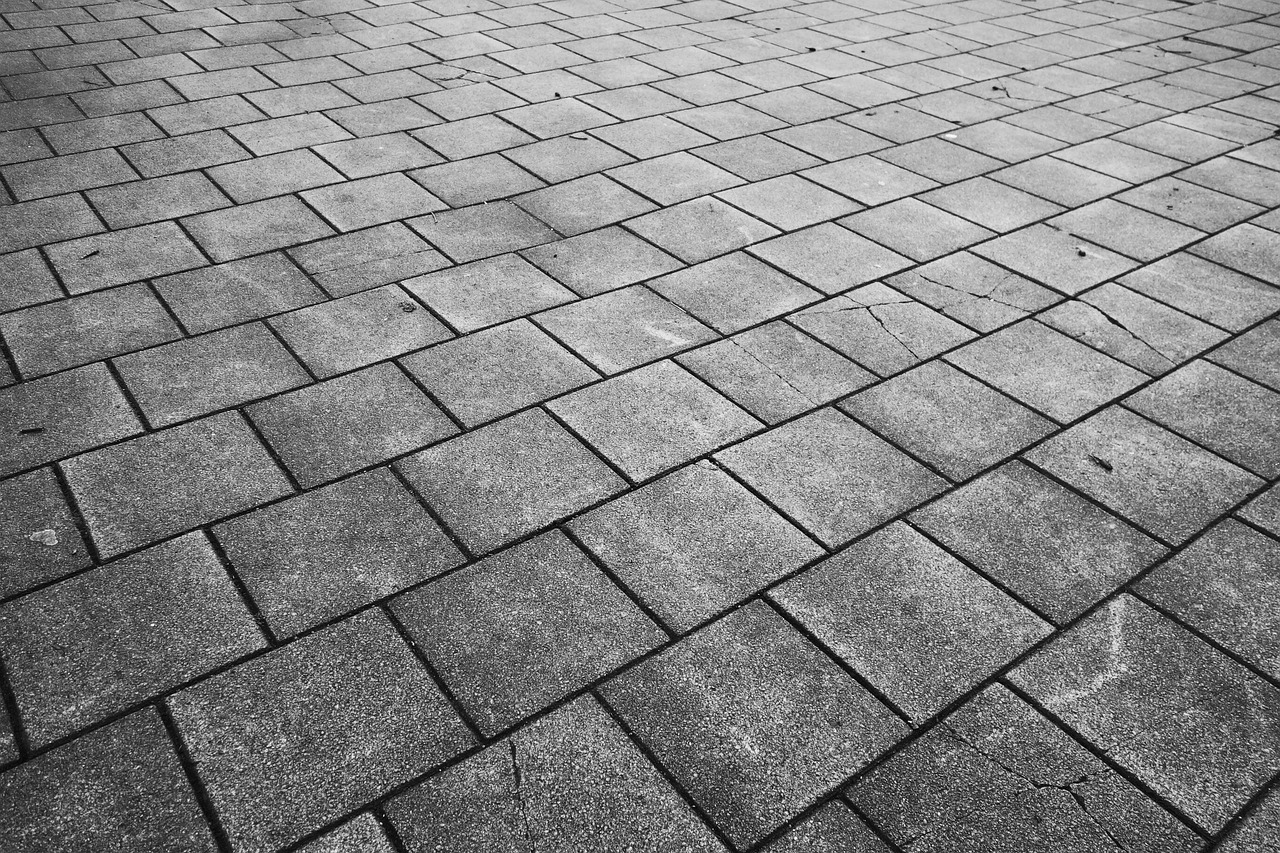
The Project Across Virginia
Throughout Northern Virginia, expanding suburban homes in Fairfax, Loudoun, and Prince William counties frequently incorporate elegant interlocking concrete paver patios, outdoor kitchens, and backyard fire pit terraces. Homeowners invest heavily in premium architectural pavers to enhance outdoor living and boost property values. However, the true strength and longevity of any paver installation lie completely unseen beneath the surface. Pavers laid over an inadequate foundation inevitably buckle, shift, and develop dangerous trip hazards after just one or two winter seasons. The region’s dense red clay subsoils expand when saturated and heave during winter freezes. Sourcing quarry materials through reliable Virginia paver base and aggregate suppliers ensures contractors and homeowners build rock-solid foundations that remain perfectly level for decades.
Installing an unyielding Northern Virginia paver patio base with compacting 3/4-inch minus base gravel, sharp concrete sand, and fine stone dust prevents frost heaves, resists settlement, and guarantees enduring hardscape performance.
Why Virginia’s Soil and Climate Shape This Project
Northern Virginia sits atop the Piedmont geological formation, underlain by weathered siltstone, shale, and micaceous schist. Native subsoils, predominantly Triassic red clays and silts, feature poor drainage and high moisture sensitivity. When water infiltrates beneath an unsealed patio, clay subsoils expand; when winter temperatures plunge below freezing, trapped moisture forms ice lenses that heave pavers upward unevenly.
The region receives over forty-three inches of precipitation annually, punctuated by freeze-thaw cycles between December and March. Hardscape engineers at Virginia Cooperative Extension emphasize that adhering to Interlocking Concrete Pavement Institute (ICPI) standards is essential on clay subsoils. Excavating a full six to eight inches of base depth, lining the trench with non-woven geotextile fabric, and compacting angular base gravel in thin lifts prevents subgrade failure and ensures water drains safely away from the paver bed.
Best Aggregate Options for Paver Patio Bases
Building a durable paver patio requires combining compacting crushed stone with sharp bedding sand:
- 3/4-inch minus base gravel → Crushed quarry stone containing sizes from 3/4-inch down to fine mineral dust. Under mechanical plate compaction, it forms an immovable, interlocked subbase foundation.
- Concrete sand → Washed, coarse, angular silica sand free of silt and clay. It serves as the industry-standard one-inch bedding layer that locks paver joints from below.
- Stone dust → Finely pulverized quarry screenings used for traditional brick setting beds and compacting walkway subbases.
Step-by-Step Paver Patio Base Construction
Follow these ICPI-compliant construction stages to build a flawless paver foundation across Virginia:
- Excavate and pitch subgrade: Excavate eight inches below finished height, pitching a quarter-inch per foot away from foundations. Property owners in Leesburg use laser levels to check pitch.
- Install geotextile fabric: Lay non-woven geotextile fabric across the excavation to prevent clay from invading gravel.
- Compact base gravel in lifts: Spread six inches of 3/4-inch minus base gravel in thin lifts, compacting each with a vibratory plate compactor. Builders in Reston wet base stone for peak density.
- Install rigid edge restraints: Secure heavy paver edging directly into the compacted base using ten-inch steel spikes.
- Screed concrete sand: Lay one inch of uncompacted, sharp concrete sand across the base. Homeowners in Manassas use concrete sand for bed stability.
- Lay pavers and compact: Place pavers, sweep polymeric sand into joints, and run a padded plate compactor to lock pavers.
How Much Sand and Gravel Do You Need?
Accurate material calculations prevent costly project interruptions. Crushed 3/4-inch minus base gravel weighs roughly 1.4 to 1.5 tons per cubic yard, while concrete sand and stone dust average 1.35 to 1.4 tons per yard. For a backyard patio measuring 16 feet by 20 feet (320 square feet) built with a six-inch compacted base and a one-inch sand bedding layer (seven inches total depth), you will need approximately 6 cubic yards (8.7 tons) of base gravel and 1 cubic yard (1.4 tons) of concrete sand. Consult our comprehensive guide to 3/4-inch minus base gravel for patio dimension calculators and tonnage tables.
| Material | Project Application | Estimated Coverage per Ton / Yard |
|---|---|---|
| 3/4-inch minus base gravel | 6-inch patio foundation | 45 to 55 sq ft per ton |
| Washed concrete sand | 1-inch paver bedding layer | 100 to 110 sq ft per ton |
| Compacting stone dust | 1-inch walkway setting bed | 95 to 105 sq ft per ton |
| Polymeric joint sand | Paver joint stabilization | 100 to 125 sq ft per bag |
Common Mistakes to Avoid Across Virginia
Placing pavers directly onto sand over raw red clay without a crushed stone base leads to rapid failure. When wet, clay softens and allows pavers to sink unevenly, destroying alignment. Installing a durable Northern Virginia paver patio base with deep compacted crushed stone is vital for longevity.
Using stone dust or fine masonry sand as the bedding layer beneath pavers is another major mistake. Fine sands retain moisture, break down in freezes, and wash out. Always use coarse concrete sand, and never omit rigid edge restraints.
Local Sourcing, Permitting, and Delivery Across Virginia
Constructing ground-level paver patios on private property generally does not require building permits in Virginia, provided walls remain under four feet. In HOA communities, submit plans to your review board. Always call Virginia 811 before digging.
When purchasing patio materials, partner with reputable Virginia bulk aggregate and landscape stone suppliers. Protect driveway edges with heavy plywood and coordinate drop-offs to keep your project running smoothly.
Frequently Asked Questions
Why is concrete sand better than stone dust for paver bedding?
Concrete sand features coarse, angular quartz grains that allow water drainage and interlock firmly with paver chamfers, whereas stone dust retains moisture and softens.
How deep should the base be for a residential paver patio in Virginia?
Residential pedestrian patios require four to six inches of compacted 3/4-inch minus base gravel over geotextile fabric, while vehicular driveways require ten to twelve inches.
Can I compact paver base gravel by hand with a manual tamper?
Manual tamping rarely achieves the required ninety-eight percent Standard Proctor density. Using a motorized vibratory plate compactor is essential to prevent future settling.
Why is geotextile fabric necessary under paver patio gravel?
Geotextile fabric prevents heavy base aggregate from sinking into underlying red clay subsoils, preserving base thickness and structural integrity across freeze-thaw seasons.
Related Resources
- Crushed 3/4-inch minus base gravel for dense, unyielding hardscape foundations
- Washed concrete sand for sharp, durable, ICPI-compliant paver bedding beds
- Fine stone dust screenings for dense walkway bedding and flagstone joints
- Complete technical guide to paver base excavation, compaction, and screeding
Final Thoughts
Investing in a well-engineered paver base is the single most important factor in creating an outdoor patio that stands the test of time. By excavating properly, installing woven geotextile fabric, compacting dense 3/4-inch minus gravel, and screeding sharp concrete sand, your patio will remain smooth, level, and stunning through every Virginia freeze-thaw cycle. Quality Northern Virginia paver patio base materials prevent shifting and sinking. Explore our complete selection of Virginia paver base aggregate and bedding sand supplies. Contact Simple Gravel today to calculate your material quantities and schedule prompt delivery to your home.











