




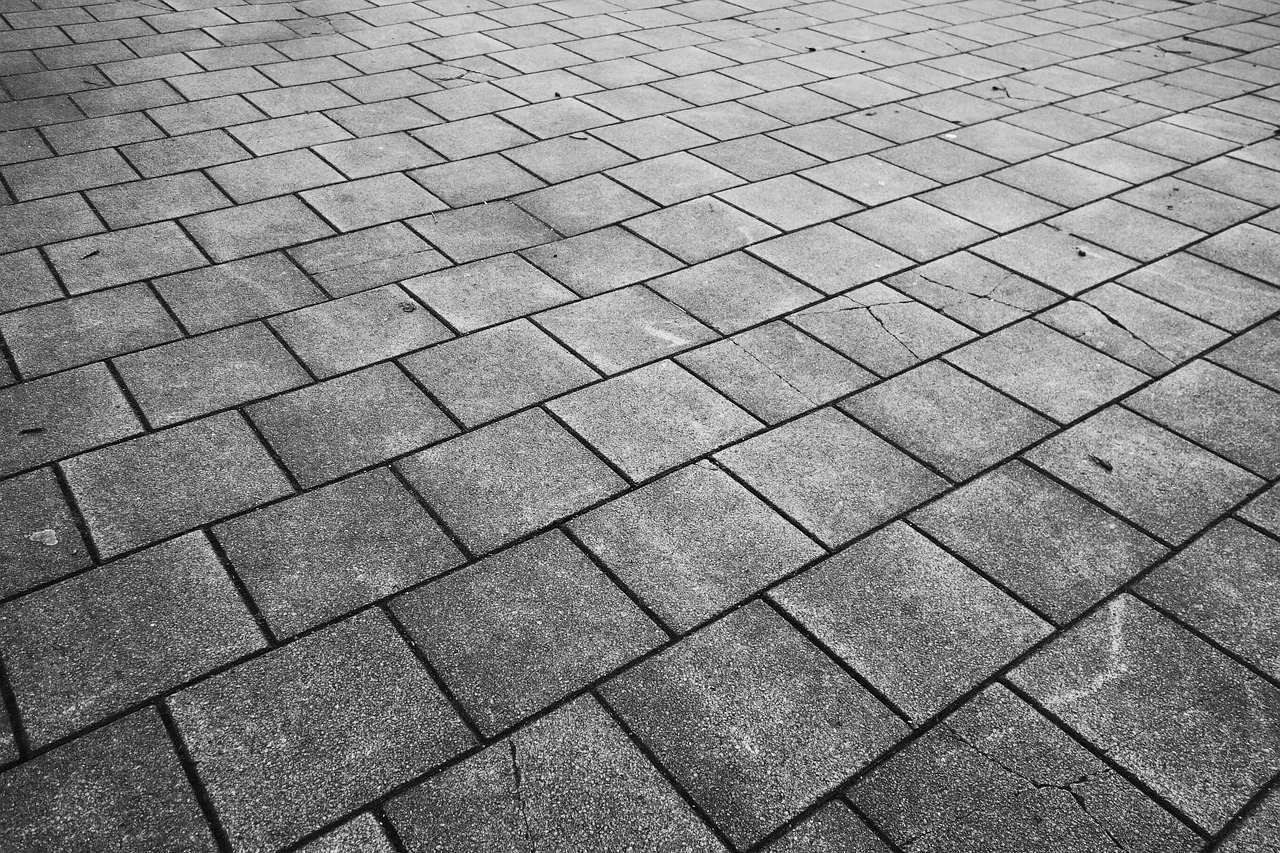
Installing an elegant brick, concrete, or bluestone paver patio in northern Middlesex County requires constructing an engineered aggregate foundation that withstands dense local subgrades and seasonal ground movement. In Avenel, residential neighborhoods near Avenel Street, Rahway Avenue, Edgar Road (US Route 1 & 9), and properties bordering the Woodbridge and Rahway town lines sit atop the reddish-brown shale and siltstone of the Brunswick Formation. These dense red shale clay loam soils hold substantial groundwater and exhibit poor percolation. During freezing winter conditions, water trapped within the shale subsoil expands, exerting upward hydraulic thrust that causes unanchored pavers to shift, heave, and form uneven trip hazards. Constructing an unyielding paver base Avenel NJ landscape contractors rely upon creates a rock-solid, free-draining platform that prevents settling and keeps patio joints perfectly aligned. You can review local base materials on our Avenel gravel delivery page to select the ideal base gravel and bedding sand for your outdoor hardscape.
A properly prepared aggregate foundation provides uniform load-bearing support, isolates paver units from expansive red shale clay, and allows rainfall to drain quickly without washing out bedding materials.
To examine regional soil profiles, Brunswick Formation shale geology, and Middlesex County construction standards, visit:
Avenel, New Jersey Geography and Brunswick Formation Geology (Wikipedia)
Why Avenel Red Shale Soil Demands a Dense Crushed Base
The dense red shale clay soils of Woodbridge Township pose unique structural challenges for residential paving projects. When soaked by autumn nor’easters, native shale loam turns into a greasy, unsupportive mud that yields beneath patio furniture and foot traffic. Come winter, freeze-thaw cycles drive frost thirty inches into the earth, lifting improperly supported patios. Installing a certified paver base Avenel NJ hardscape professionals recommend neutralizes these threats.
Dense crushed aggregates, such as 3/4-inch minus base gravel, combine sharp angular stone with fine stone dust. When compacted in thin lifts with a vibrating plate compactor, the angular particles interlock tightly while mineral fines fill every interstitial space. This produces a rock-hard pad that bridges weak shale subsoils and resists frost heaving.
- Dense interlocking foundation base gravel → 3/4″ minus base gravel
- Sharp screed bedding sand → Concrete sand
- Fine setting bed and joint stabilizer → Stone dust
- Heavy drainage backfill rock → 3/4″ clean gravel
Browse paver foundation aggregates available in Avenel
Recommended Material Layers for Paver Foundations
Layering dense crushed base gravel beneath sharp bedding sand creates an unyielding structure that keeps pavers flat for decades.
| Structural Course | Recommended Aggregate | Engineering Function |
|---|---|---|
| Compacted Base Foundation (4″ to 6″) | 3/4″ Minus Base Gravel | Sharp crushed stone and mineral fines bind under compaction to create an unyielding subbase pad. |
| Uniform Bedding Screed (1″) | Concrete Sand | Coarse angular sand provides a consistent, uncompacted setting bed for seating pavers evenly. |
| Alternative Joint Stabilizer | Stone Dust | Fine mineral grit used to lock paver joints tightly and prevent weed colonization between units. |
| Perimeter Restraint Bedding | 3/4″ Clean Gravel | Allows excess perimeter stormwater to drain away from edge restraint spikes and concrete borders. |
Excavation and Subgrade Geotextile Placement
Excavate the patio footprint seven to nine inches below finished grade to accommodate four to six inches of compacted base stone, one inch of bedding sand, and the thickness of the pavers. Slope the excavated dirt floor away from home foundations at a rate of one-quarter inch per foot to facilitate gravity drainage. Contractors completing hardscapes in nearby Colonia follow these exact grading standards to protect basements from water intrusion.
Before adding stone, tamp the exposed red shale subsoil thoroughly with a mechanical plate compactor. Line the entire dirt excavation with non-woven geotextile fabric. The fabric acts as a permanent separation barrier, stopping the heavy gravel base from sinking into the soft red clay while allowing subsoil water to filter downward freely.
Compacting the Crushed Base and Screeding Bedding Sand
Spread 3/4-inch minus base gravel in two- to three-inch lifts across the fabric underlayment. Moisten the gravel lightly with a hose to activate mineral fines, then compact thoroughly with a vibrating plate compactor. Make multiple passes in alternating directions until the surface is rock-solid. Review our comprehensive 3/4-inch minus base gravel guide for compaction guidelines and load-bearing capacities.
Once the base is compacted and verified flat, spread a uniform one-inch layer of dry, coarse concrete sand across the gravel. Screed the sand smooth using one-inch conduit pipes and an aluminum straightedge. Avoid walking on or pre-compacting the bedding sand before setting the pavers in place.
Benefits of Bulk Aggregate Delivery in Avenel
- Dump truck delivery deposits ten to twenty tons of aggregate directly into your driveway or staging area.
- Far more economical per ton than purchasing hundreds of individual bags from retail suppliers.
- Avoids vehicle suspension damage and interior wear from hauling heavy stone in personal vehicles.
- Professional local drivers navigate Middlesex County neighborhood streets and tight residential lanes safely.
Calculating Aggregate Quantities for Paver Projects
Accurate material calculation prevents delays when building a paver base Avenel NJ hardscape installation. Measure the total length and width of the patio area in feet, multiply by the aggregate base depth in inches, and divide by 324 to calculate the required cubic yards. Compacted 3/4-inch minus base gravel weighs approximately 1.4 tons per cubic yard.
For example, if you are building an 18-foot by 20-foot backyard paver patio (360 square feet) requiring a 6-inch base of crushed gravel, multiply 360 by 6 to get 2,160. Divide 2,160 by 324 to find 6.67 cubic yards. Multiplying 6.67 cubic yards by 1.4 tons indicates that you will need approximately 9.3 tons of bulk 3/4-inch minus base gravel.
Frequently Asked Questions
Why can’t I lay pavers directly on Avenel red shale soil?
Avenel red shale clay expands when wet and heaves during winter freezes; laying pavers directly on soil results in rapid settling, uneven edges, and joint separation.
What is the minimum base gravel thickness for a patio?
A minimum compacted thickness of four inches of 3/4-inch minus base gravel is required for pedestrian patios, while driveways require eight to ten inches.
Should I use concrete sand or stone dust for paver bedding?
Coarse concrete sand is strongly recommended for the one-inch bedding layer because it drains freely and does not wash out or become mushy when saturated.
Do I need to install edge restraints around pavers?
Yes, heavy-duty commercial edge restraints secured with ten-inch steel spikes prevent outer pavers from spreading outward under foot traffic.
Final Thoughts
Building a stunning paver patio in Avenel begins from the ground up with a properly compacted aggregate base. By isolating your paving stones from Brunswick Formation red clay with geotextile fabric and dense 3/4-inch minus base gravel, you guarantee a level, crack-free outdoor living area that endures through every New Jersey winter. Find your New Jersey delivery area here to schedule bulk delivery of base gravel and bedding sand directly to your property.











