




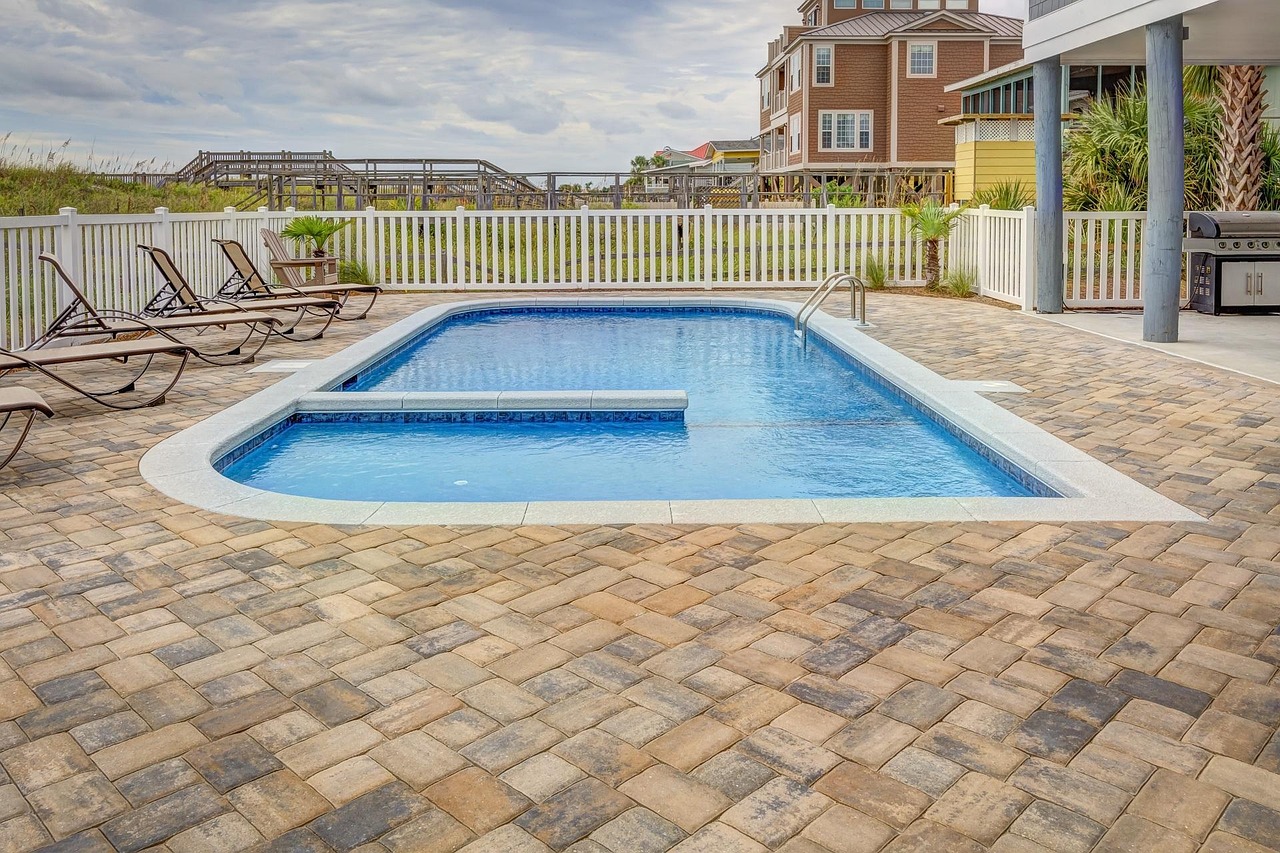
Constructing a durable brick paver patio or outdoor dining terrace across Dane County requires disciplined subgrade engineering to prevent winter ground shifting. Establishing the correct paver base thickness Cottage Grove WI hardscape contractors recommend ensures an unyielding foundation that resists frost heave and heavy foot traffic. Situated just east of Madison, Cottage Grove experiences severe Midwestern winter freezes, humid summer rains, and glacial drumlin topography. Laying decorative interlocking pavers over shallow gravel beds or directly on native clay loam invites catastrophic failure. When ground frost penetrates deep into saturated soil, expanding ice forces pavers upward unevenly. When the ground thaws in spring, pavers settle into erratic dips, creating dangerous tripping points, holding standing water puddles, and allowing weeds to overtake joint lines. Excavating to proper depth, installing heavy geotextile fabric, and compacting six inches of 3/4-inch minus base gravel beneath a one-inch bedding layer of coarse concrete sand creates an immovable terrace foundation. Ordering bulk materials through Cottage Grove aggregate delivery drops certified base rock and bedding sand right at your driveway.
Why Paver Base Thickness Cottage Grove WI Patios Require Prevents Heaving
Interlocking concrete pavers possess high compressive strength, but their structural longevity depends entirely on the stability of the foundation layers beneath them.
Shallow gravel bases fail in southern Wisconsin because fine clay particles migrate upward into base rock while groundwater collects beneath pavers. A six-inch compacted structural base of angular 3/4-inch minus gravel creates high internal friction that bridges weak subsoils. Combined with a uniform one-inch bed of coarse concrete sand, this profile dissipates wheel and foot loads while routing moisture safely away from foundation walls.
Top Structural Aggregates for Dane County Paver Installations
Building a long-lasting paver terrace requires specific quarry products engineered for compaction and bedding support:
- → 3/4″ minus base gravel: Dense-graded angular crushed limestone quarry rock with stone fines that packs to 98 percent proctor density.
- → Concrete sand: Sharp, coarse washed silica sand with angular grains that forms an unyielding, non-shifting one-inch bedding screed layer.
- → Stone dust: Screened rock powder used for joint stabilization and locking perimeter border pavers in place.
Scheduling bulk deliveries via Cottage Grove aggregate delivery ensures your landscaping crew receives fresh aggregates right when excavation finishes.
Comparing Paver Base Thickness and Material Layering
Reviewing cross-sectional profiles helps Cottage Grove homeowners understand how proper aggregate thickness impacts hardscape performance:
| Project Type | Recommended Base Depth | Bedding Sand Layer |
|---|---|---|
| Pedestrian Walkway & Patio | 6 inches compacted 3/4″ minus | 1 inch sharp concrete sand |
| Heavy Vehicular Driveway | 10 to 12 inches compacted base | 1 inch sharp concrete sand |
| Hot Tub / Heavy Kitchen Pad | 8 to 10 inches compacted base | 1 inch sharp concrete sand |
| Inadequate Budget Base | 2 to 3 inches (unacceptable) | Shifts and heaves during first winter freeze |
| Direct Turf Placement | 0 inches (guaranteed failure) | Pavers sink into mud within weeks |
Step-by-Step Excavation and Base Compaction Process
Achieving the ideal paver base thickness Cottage Grove WI builders recommend begins with staking out your patio footprint, adding six inches on all open sides for edge restraint support. For standard pedestrian patios, excavate nine to ten inches below finished grade to accommodate six inches of base rock, one inch of bedding sand, and two to three inches of paver thickness. Slope the excavated earth at one-quarter inch per foot away from the house foundation.
Compact the native subgrade with a heavy vibrating plate compactor. Roll out commercial non-woven geotextile fabric across the entire floor, overlapping seams by twelve inches. Fabric prevents the structural gravel from sinking into underlying clay loam under heavy loads.
Spread 3/4-inch minus base gravel in two-to-three-inch lifts, lightly spraying with water and compacting each lift thoroughly. Set one-inch screed pipes across the compacted rock and spread coarse concrete sand, screeding it flat with a straight board. Lay your pavers directly on the undisturbed sand, install rigid plastic edge restraints, and sweep polymeric sand into the joints before final compaction.
Dane County Climate, Drumlin Soils, and Drainage Dynamics
Cottage Grove is located in the Yahara River basin, characterized by Batavia and Ringwood silt loam soils formed in loess over glacial till. These silty soils retain moisture tenaciously, making them highly susceptible to frost heave during sub-zero January weather. Creating a six-inch free-draining crushed stone base is vital to protect outdoor investments.
Reviewing our 3/4 minus base gravel material guide provides key instructions on compaction moisture and lift thickness. Property owners in neighboring Wisconsin communities like Vernon, WI utilize these same base specifications to build frost-proof outdoor living areas.
Calculating Base Gravel and Sand Delivery Tonnage
Accurate material calculations prevent costly shortages while paving your patio. Use standard volumetric formulas based on square footage and layer depth:
Formula: Patio Length (feet) × Patio Width (feet) × Layer Depth (feet) ÷ 27 = Total Cubic Yards
For example, a backyard patio measuring 20 feet by 15 feet covers 300 square feet. For a six-inch compacted base of 3/4-inch minus gravel (0.5 feet): 300 × 0.5 ÷ 27 = 5.56 cubic yards of base rock. At approximately 1.35 tons per cubic yard: 5.56 × 1.35 = 7.5 tons of base gravel. For the one-inch bedding layer of coarse concrete sand (0.083 feet): 300 × 0.083 ÷ 27 = 0.92 cubic yards. At 1.4 tons per yard: 0.92 × 1.4 = 1.29 tons of concrete sand. Always add ten percent to account for excavation overage and compaction volume loss.
Frequently Asked Questions About Cottage Grove Paver Bases
Can I use stone dust instead of concrete sand for the bedding layer?
No. Stone dust contains fine particles that trap water and wash away during heavy rain, creating dips beneath pavers. Coarse concrete sand has angular, uniform grains that resist shifting and allow moisture to drain.
How thick should the base be for an outdoor kitchen or hot tub?
Heavy concentrated loads like hot tubs or outdoor kitchens require a thicker base of eight to ten inches of compacted 3/4-inch minus base gravel to prevent differential settling.
Why do pavers need edge restraints?
Without rigid edge restraints nailed into the compacted base rock, pavers along the outer perimeter will spread outward under foot traffic, opening wide joint gaps across the patio.
Do I compact the bedding sand before laying pavers?
No. Concrete sand is screeded smooth and left loose. Pavers are set on the loose sand, and the entire surface is compacted together using a plate compactor with a protective rubber pad.
Order Certified Paver Base Aggregates Today
Build a stunning outdoor patio that endures through every Wisconsin winter without settling or shifting. Ordering materials to achieve the paver base thickness Cottage Grove WI builders recommend through Cottage Grove aggregate delivery ensures prompt bulk dump truck delivery right to your jobsite. Access regional landscaping and soil conservation resources from University of Wisconsin-Madison Division of Extension to guide your property improvements.











