
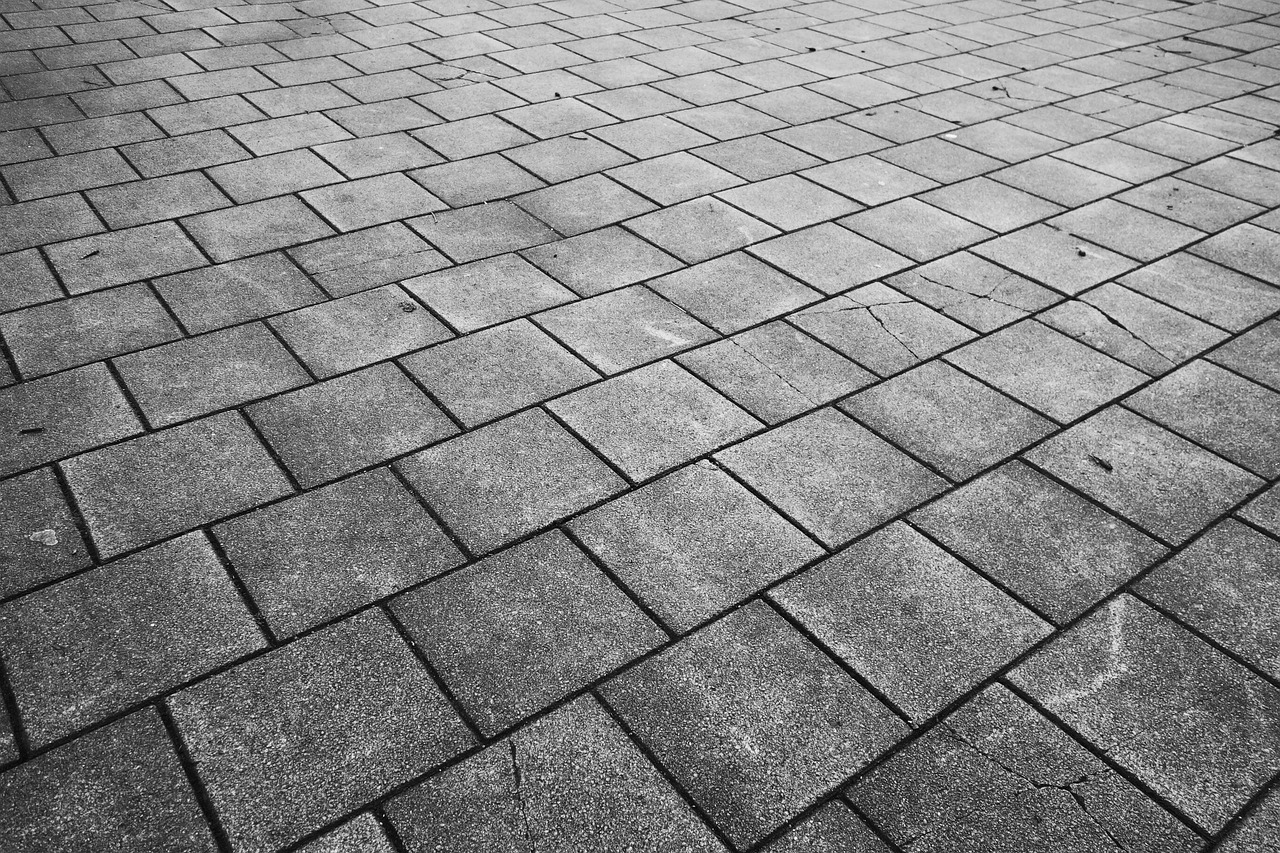
Creating a long-lasting outdoor living space in Cedar Hills, Oregon requires durable materials engineered to withstand the Pacific Northwest climate. Homeowners building stone walkways, backyard entertaining areas, or driveway extensions must pay close attention to the structural layers beneath their paving stones. Installing the correct paver bedding Cedar Hills OR contractors recommend ensures pavers remain perfectly level, drain excess rainwater efficiently, and resist shifting during wet winter conditions. Cedar Hills sits in eastern Washington County, where heavy clay soils and abundant seasonal rainfall demand permeable, rock-solid sub-bases. Coordinating reliable bulk aggregate transport through Cedar Hills aggregate delivery provides the essential bedding and base aggregates right to your driveway.
Choosing the Right Aggregate for Paver Bedding Cedar Hills OR Patios
The bedding layer sits directly between your compacted base stone and the bottom surface of your concrete pavers or natural flagstone. This layer must provide a uniform, workable setting bed that allows pavers to be seated evenly while supporting surface loads without settling unevenly. Homeowners in Cedar Hills typically choose between two primary bedding materials: coarse concrete sand and finely crushed stone dust.
Coarse concrete sand (ASTM C33) features angular grains that interlock firmly while maintaining voids for rapid drainage. Stone dust consists of pulverized stone with fine mineral powder. While stone dust creates a dense bed, it compacts tightly and can trap water under pavers during wet seasons. Sharp concrete sand lets subsurface moisture drain freely into the crushed gravel base below.
Essential Aggregates for Cedar Hills Paver Installations
Building a stable hardscape assembly requires coordinating high-quality base gravel, bedding sand, and joint stabilizers. Homeowners frequently order these core aggregates:
- → Stone dust: Ultra-fine crushed screenings used for tight leveling beneath walkways, flagstone paths, and garden stepping stones.
- → Concrete sand: Sharp, washed coarse aggregate providing the industry-standard one-inch bedding layer for interlocking pavers.
- → 3/4″ minus base gravel: Dense-graded angular crushed rock with stone fines that compacts into an immovable sub-base foundation.
Securing bulk material transport through Cedar Hills aggregate delivery guarantees that heavy dump truck loads arrive promptly for your scheduled installation weekend.
Comparing Setting Beds: Stone Dust vs Concrete Sand
Evaluating physical characteristics helps property owners select the optimal aggregate for specific outdoor projects across western Oregon:
| Aggregate Material | Best Hardscape Application | Drainage & Compaction Qualities |
|---|---|---|
| Coarse Concrete Sand (C33) | Interlocking driveway and patio pavers | High drainage rate, resists washout, beds pavers cleanly |
| Stone Dust (Screenings) | Flagstone garden paths and stone walkways | Tightly packable, creates firm surface, slower drainage |
| 3/4-Inch Minus Base Rock | Sub-base layer under all hardscape projects | Exceptional compaction density, provides primary load support |
| Polymeric Jointing Sand | Paver surface joints and edge gaps | Locks stones together, deters weeds, flexes with temperatures |
Managing Pacific Northwest Rain and Subsurface Drainage
Cedar Hills experiences sustained autumn and winter precipitation that saturates suburban residential soils. When heavy rains soak unpaved ground, silty clay subgrades expand and soften, compromising improperly supported patio surfaces. Setting pavers over a loose, muddy base leads to severe rutting, sunken paving stones, and hazardous tripping edges. To safeguard hardscapes, contractors excavate native soils down eight to ten inches, lay heavy-duty woven geotextile fabric, and install four to six inches of mechanically compacted 3/4-inch minus crushed rock.
Maintaining a precise one-inch uncompacted layer of concrete sand over the compacted base prevents water from ponding under the paver units. Adhering to sustainable regional landscape practices published by Oregon State University Extension helps homeowners direct surface runoff safely into rain gardens or French drains. Hardscape builders working in nearby communities like River Road, OR follow these identical aggregate base guidelines to ensure patio durability across damp Willamette Valley conditions.
Step-by-Step Installation of Paver Bedding Sand
Achieving a smooth, enduring paver installation requires methodical preparation and accurate screeding techniques:
- Excavate and Grade: Dig out the patio area eight to ten inches deep, creating a subtle one-quarter inch per foot slope away from home foundations.
- Install Woven Geotextile: Line the native soil subgrade with puncture-resistant landscaping fabric to stop clay mud from contaminating gravel.
- Compact Aggregate Sub-Base: Spread 3/4-inch minus base gravel in two-inch lifts, running a vibratory plate compactor over each layer until fully consolidated.
- Set Screed Guide Pipes: Lay two parallel one-inch outside diameter steel pipes across the compacted aggregate base.
- Spread and Screed Bedding Sand: Pour coarse concrete sand between pipes and pull a straight aluminum screed board across the rails to form a perfectly flat one-inch bed.
- Lay Pavers and Tamp: Carefully set paving stones without walking on uncompacted sand, then tamp the surface with a rubber-padded compactor to seat pavers firmly.
Calculating Bedding Sand and Base Gravel Quantities
Accurate material calculations eliminate project interruptions and prevent costly over-ordering. To calculate aggregate volumes, convert length, width, and layer depths into feet, multiply dimensions to find cubic feet, and divide by twenty-seven for cubic yards. Because aggregate suppliers sell materials by the ton, convert volume to weight using standard rock bulk densities.
Consider a typical Cedar Hills backyard patio measuring twenty feet long by fifteen feet wide, totaling 300 square feet. A six-inch compacted base (0.5 feet) requires 150 cubic feet, or 5.56 cubic yards of 3/4-inch minus gravel. Multiplying 5.56 cubic yards by 1.35 tons per yard indicates roughly 7.5 tons of base stone. For the one-inch paver bedding layer (0.0833 feet), 300 square feet requires twenty-five cubic feet, or 0.93 cubic yards of washed concrete sand. At 1.3 tons per cubic yard, order 1.25 to 1.5 tons of sand to allow for joint filling. Review our specialized stone dust material guide for comprehensive aggregate specifications.
Frequently Asked Questions About Cedar Hills Hardscape Bedding
Can I use stone dust instead of concrete sand under driveway pavers?
Concrete sand is strongly recommended under vehicle driveway pavers because its angular particles interlock without pulverizing into mud under heavy vehicle weights. Stone dust can break down under repeated tire loads and retain water, increasing the risk of rutting.
How thick should my paver bedding sand layer be?
Maintain an uncompacted bedding depth of exactly one inch. Layers thinner than three-quarters of an inch fail to seat pavers properly, while layers exceeding one and a half inches can shift or rut under foot traffic.
Should I compact the bedding sand before laying my pavers?
Never compact the bedding sand prior to placing pavers. Screed the sand flat in a loose state, lay your paving units directly on top, and compact the pavers into the sand using a plate compactor with a protective pad.
What edge restraint works best for Cedar Hills paver patios?
Heavy-duty commercial plastic or aluminum paver edging anchored with ten-inch steel spikes into the crushed stone base provides optimal lateral restraint against shifting during wet winter conditions.
Order Premium Paver Aggregates in Cedar Hills, OR
Build an attractive, long-lasting outdoor living area with the ideal paver bedding Cedar Hills OR homeowners trust for structural strength and dependable drainage. Schedule your scheduled gravel and sand shipment through our streamlined Cedar Hills aggregate delivery service today.











