




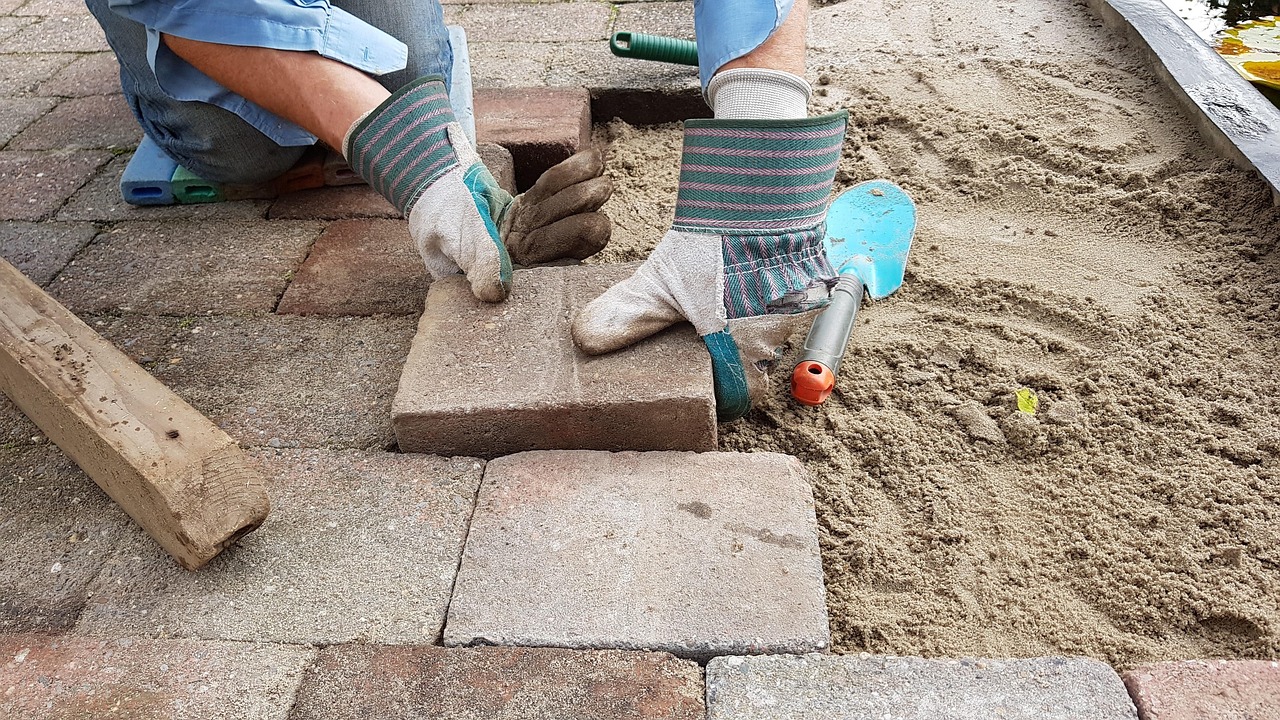
The Project in Sammamish
Perched on the plateau above Lake Sammamish, Sammamish is known for lush neighborhoods where homeowners construct outdoor kitchens and fire pit courtyards. However, creating a paver patio that remains level requires careful base engineering. With over forty-eight inches of annual rainfall, joint water must drain rapidly away from the foundation. Without an engineered base, freeze-thaw cycles and saturated soils lead to sunken pavers and pooling water. Sourcing aggregates through reliable Sammamish paver base delivery provides interlocking 3/4-inch minus base gravel, coarse concrete sand, and stone dust for a flawless installation.
Executing an enduring paver patio base Sammamish WA build with dense 3/4-inch minus gravel, sharp concrete bedding sand, and finely ground stone dust prevents surface shifting, eliminates puddling, and ensures decades of outdoor enjoyment.
Why Sammamish’s Soil and Climate Shape This Project
The Sammamish Plateau features Vashon lodgement till. Native Alderwood gravelly sandy loam rests upon dense glacial hardpan fifteen to thirty inches down, blocking internal drainage and creating temporary perched water tables during the wet season.
King County winters bring persistent drizzle and freezing temperatures during December and January. Soil mechanics researchers at Washington State University Extension emphasize that paving over glacial till requires a six-inch compacted aggregate base with geotextile fabric. When rainwater collects under pavers without adequate drainage, overnight freezes cause trapped moisture to expand, heaving pavers upward. Installing a crushed basalt base bridges hardpan, maintains lateral drainage, and provides support that resists frost heave.
Best Aggregate Options for Sammamish Paver Patios
Selecting clean, crushed quarry materials ensures maximum interlocking density and reliable moisture migration:
- 3/4-inch minus base gravel → Fractured quarry stone containing angular pieces from 3/4-inch down to fine rock dust. It compacts to near-concrete density, forming the primary foundation beneath patios and walkways.
- Concrete sand → Coarse, washed, angular sand free of clay. It creates a smooth, unyielding one-inch bedding layer that allows pavers to bed evenly without washing out.
- Stone dust → Finely pulverized limestone or basalt dust. It fills joint voids and acts as a leveling screed where extra binding density is needed.
Step-by-Step Paver Patio Base Construction Guide
Follow these professional installation phases to build an unyielding paver patio base across the Sammamish Plateau:
- Excavate to subgrade depth: Dig eight to ten inches below finished grade, pitching the excavation floor away from foundations at one-quarter inch per foot.
- Compact native hardpan: Run a heavy plate compactor across native soil to firm disturbed earth. Contractors in Issaquah compact subgrades thoroughly before laying rock.
- Install non-woven geotextile fabric: Lay heavy non-woven geotextile fabric across the entire bed, extending up trench sides to prevent subsoil migration.
- Place and compact 3/4-inch minus base: Spread base gravel in two-inch lifts, dampening each lift with water and running a vibratory plate compactor to achieve six inches of dense base. Builders in Redmond use moisture conditioning for peak compaction.
- Screed concrete bedding sand: Place screed rails and spread concrete sand smoothly across the base, striking off to a uniform one-inch thickness without compacting.
- Lay pavers and set joint material: Lay paving stones in desired patterns, install edge restraints, sweep stone dust into joints, and vibrate surface pavers to lock into place.
How Much Material Do You Need?
Precise aggregate calculations keep your patio project on schedule without extra deliveries. Crushed 3/4-inch minus base gravel weighs approximately 1.4 to 1.45 tons per cubic yard, while washed concrete sand averages 1.35 to 1.4 tons per yard. For a patio measuring 20 feet by 20 feet (400 square feet) built with a six-inch compacted gravel base, you will need approximately 7.4 cubic yards (10.7 tons) of base gravel. A uniform one-inch bedding layer of coarse concrete sand for the same patio requires roughly 1.2 cubic yards (1.7 tons). Consult our comprehensive guide to 3/4-inch minus base gravel for compaction ratios, excavation guidelines, and detailed quantity formulas.
| Material | Project Application | Estimated Coverage per Ton / Yard |
|---|---|---|
| 3/4-inch minus base gravel | 6-inch compacted patio subbase | 45 to 55 sq ft per ton |
| Coarse concrete sand | 1-inch paver bedding layer | 80 to 90 sq ft per ton |
| Pulverized stone dust | Joint fill and perimeter packing | 100 to 120 sq ft per ton |
| Washed #57 stone | Perimeter drainage backfill | 65 to 75 sq ft per ton |
Common Mistakes to Avoid in Sammamish
Using rounded playground sand for bedding is a severe error. Fine sand washes out and shifts. Designing an enduring paver patio base Sammamish WA build demands coarse concrete sand that drains water while locking pavers in position.
Compacting base gravel all at once leaves voids that settle unevenly; always compact in two-inch lifts. Finally, install spiked edge restraints to prevent outer pavers from drifting outward over time.
Local Sourcing, Permitting, and Delivery in Sammamish
At-grade paver patios on private property do not require building permits in Sammamish if retaining walls stay under four feet. Check with the Sammamish Department of Community Development near critical lake buffers. Always call Washington 811 before digging.
Select reputable Washington bulk stone and base gravel suppliers. Coordinate delivery through our local Sammamish base gravel delivery team to arrange convenient placement on your driveway or staging pad.
Frequently Asked Questions
Why is 3/4-inch minus base gravel preferred over clean rock beneath pavers?
The combination of fractured rock fragments and fine stone dust in 3/4-inch minus packs into a dense, solid slab that resists settling, whereas clean rock lacks fines to bind together under foot traffic.
How thick should the aggregate base be on the Sammamish Plateau?
A minimum compacted thickness of six inches is recommended for pedestrian patios over dense glacial till, while heavy features like outdoor kitchens or hot tubs require eight inches.
Can I use stone dust instead of concrete sand for the bedding layer?
Concrete sand is superior because its coarse, angular grains do not compact into an impermeable sheet, allowing moisture to drain downward away from paving stones.
What prevents pavers from shifting outward along patio edges?
Heavy-duty commercial plastic or aluminum edge restraints secured with ten-inch steel spikes into the compacted gravel base hold the patio perimeter permanently locked.
Related Resources
- Crushed 3/4-inch minus base gravel for rock-solid patio foundations and walkways
- Coarse washed concrete sand for uniform, stable paver bedding layers
- Pulverized stone dust for tight joint stabilization and leveling support
- Technical guide to patio base installation, lift compaction, and edge restraint
Final Thoughts
Building a stunning paver patio in Sammamish begins well below the visible surface. By excavating through shallow topsoil, laying non-woven geotextile fabric, and meticulously compacting layers of 3/4-inch minus base gravel beneath a uniform screed of concrete sand, you create an outdoor living area built to endure Pacific Northwest weather. High-grade paver patio base Sammamish WA materials guarantee lasting alignment and protection from settling. Explore our wide selection of Sammamish patio base gravel and aggregates. Contact Simple Gravel today to calculate your exact material quantities and schedule prompt delivery to your home.











