




The Project in Solon
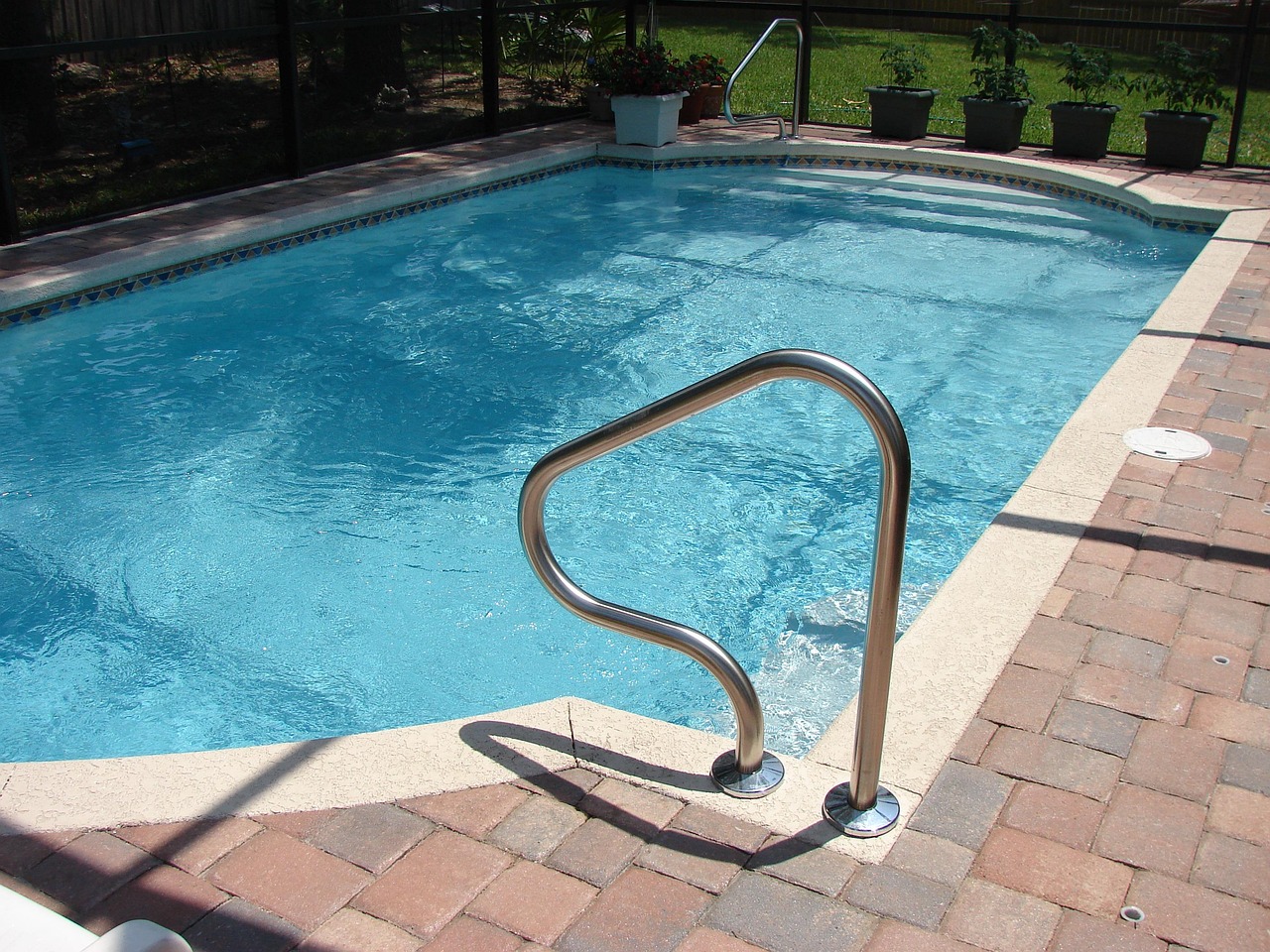
Recognized as one of northeastern Ohio’s premier suburbs, Solon is celebrated for beautiful executive neighborhoods and parks. In subdivisions like Signature of Solon and Thornbury, homeowners invest in custom outdoor living spaces, from outdoor kitchens to interlocking paver patios. However, the stability of any paver installation depends on the aggregate foundation beneath the stone. Saturated clay and severe freeze-thaw cycles exert immense pressure on patio foundations. Without a compacted gravel subbase, pavers shift and sink into depressions within a few seasons. Sourcing certified materials through paver patio base gravel in Solon ensures outdoor foundations withstand winter freezing without settling.
Building a properly engineered paver patio base Solon OH installation with 3/4-inch minus base gravel, sharp concrete sand, and stone dust creates an unyielding subbase that drains water while maintaining a level surface.
Why Solon’s Soil and Climate Shape This Project
Solon sits on glaciated plateau terrain underlain by Chagrin shale and Berea sandstone bedrock. Native soils consist predominantly of Mahoning and Ellsworth silt loams, which contain heavy fractions of dense subsoil clay. These soils have very slow drainage rates and sit over perched seasonal water tables that keep subgrades waterlogged throughout spring thaws.
Furthermore, Cuyahoga County experiences over thirty-nine inches of precipitation annually, accompanied by intense winter lake-effect snow and deep freeze-thaw cycles where frost penetrates thirty to thirty-six inches. Civil engineers at Ohio State University Extension emphasize that building on expansive clay subsoils requires deep aggregate subbases. Installing angular crushed stone with fines over non-woven geotextile fabric creates an interlocking matrix that distributes point loads evenly, preventing individual pavers from sinking into softened clay subgrades.
Best Aggregate Options for Paver Patio Bases
Building a durable patio requires three distinct aggregate layers, each serving a critical structural role:
- 3/4″ minus base gravel → A dense blend of fractured 3/4-inch stone down to mineral rock dust. When compacted with a vibratory plate compactor, the jagged edges lock together to form a rock-solid, load-bearing subbase.
- Concrete sand → Washed, angular coarse sand free of clay or organic silt. It forms a uniform one-inch bedding layer that provides precise grade leveling without washing away under rainfall.
- Stone dust → Finely pulverized quarry stone fines. It serves as an alternative setting bed or joint-filling material that wedges tightly between pavers to inhibit weed growth.
Step-by-Step Paver Patio Base Construction
Proper excavation depth, geotextile containment, and progressive compaction guarantee an enduring patio installation:
- Excavate subgrade: Dig native soil nine to eleven inches below final grade, sloping one-quarter inch per foot away from foundations. Builders in nearby Hudson follow this standard slope practice.
- Lay geotextile fabric: Drape drainage fabric across excavated subgrade, running edges up sidewalls to prevent clay contamination.
- Install initial base lift: Spread three to four inches of 3/4-inch minus gravel over fabric, misting lightly with water.
- Compact with a tamper: Run a vibratory plate compactor over stone in overlapping passes until the base is deflection-free.
- Compact second base lift: Add three inches of 3/4-inch minus gravel, compacting to achieve a six-inch structural base.
- Screed concrete sand bedding: Drag an aluminum screed board across washed concrete sand over one-inch screed pipes.
How Much Patio Base Aggregate Do You Need?
Accurate material calculations prevent costly project stoppages. Compacted 3/4-inch minus base gravel weighs roughly 1.45 tons per cubic yard. A standard 16-foot by 20-foot patio (320 square feet) with a six-inch compacted gravel base requires roughly 5.9 cubic yards, or about 8.6 tons of base gravel. Adding a one-inch concrete sand setting bed requires another 1.0 cubic yard, or roughly 1.4 tons of sand. Explore our guide to 3/4 minus base gravel for detailed formulas.
| Material | Project Depth | Estimated Coverage per Ton / Yard |
|---|---|---|
| 3/4″ minus base gravel | 6 inches compacted | 45 to 55 sq ft per ton |
| Concrete bedding sand | 1 inch uniform | 220 to 260 sq ft per ton |
| Stone dust bed or joints | 1 to 2 inches | 110 to 140 sq ft per ton |
| Washed jointing sand | 1/8 to 1/4 inch | 300 to 500 sq ft per ton |
Common Mistakes to Avoid in Solon
The most common failure in northeastern Ohio patio construction is using rounded river pea gravel or uncompacted mason sand as a structural base. Round pebbles roll under pressure like ball bearings, causing pavers to wobble and collapse along perimeter edges. Building a resilient paver patio base Solon OH project requires angular crushed stone that locks firmly under heavy compaction. Another frequent mistake is omitting non-woven geotextile underlayment; wet clay subsoils migrate upward during winter thaws, softening the stone foundation.
Do not compact the concrete sand bedding layer before laying pavers. Bedding sand must remain loose during screeding so pavers seat firmly into the sand when vibrated from above.
Local Sourcing, Permitting, and Delivery in Solon
Standard on-grade residential patios typically do not require building permits in the City of Solon, provided they do not exceed municipal lot coverage maximums or encroach on utility easements. If your patio project includes retaining walls over three feet tall or outdoor kitchen gas lines, contact the Solon Building Department before breaking ground.
When booking aggregate delivery, partner with experienced Solon patio base gravel suppliers. Executive residential subdivisions feature manicured landscaping and strict HOA guidelines. Choose a flat, paved drop zone on your driveway and protect concrete pavers with heavy plywood sheets before dump trucks arrive.
Frequently Asked Questions
What is the minimum base gravel depth for a Solon paver patio?
For standard pedestrian foot traffic, a compacted base depth of six inches of 3/4-inch minus gravel is recommended. Heavy outdoor kitchens or fire pits require eight to ten inches.
Can I use stone dust instead of concrete sand for paver bedding?
Concrete sand is preferred for bedding because its coarse, angular particles promote rapid drainage. Stone dust holds moisture and can wash out over time in freeze-thaw zones.
Why do pavers heave and sink after northern Ohio winters?
Winter frost heave occurs when water trapped in poorly drained subsoil freezes and expands. A six-inch compacted gravel base over geotextile fabric prevents frost from displacing pavers.
How do I stop patio edge pavers from spreading apart?
Install heavy-duty commercial plastic or aluminum paver edging anchored with ten-inch steel spikes driven directly into the compacted gravel base outside the paver boundary.
Related Resources
- Interlocking 3/4″ minus base gravel for solid patio subgrades
- Clean washed concrete sand for precision paver bedding
- Quarry stone dust for stable borders and joint filling
- Comprehensive guide to paver patio base installation
Final Thoughts
A beautifully installed paver patio provides an inviting outdoor retreat for family gatherings, weekend barbecues, and relaxing suburban evenings. Taking time to install an engineered paver patio base Solon OH installation with angular 3/4-inch minus gravel, sharp bedding sand, and commercial geotextile fabric guarantees an unyielding foundation that defies winter frost heave and seasonal rain. Explore complete Ohio patio aggregate delivery options to locate certified quarry materials across Cuyahoga County. Contact Simple Gravel today to calculate your exact gravel yardage and arrange reliable delivery through professional Solon paver base supply specialists.











