




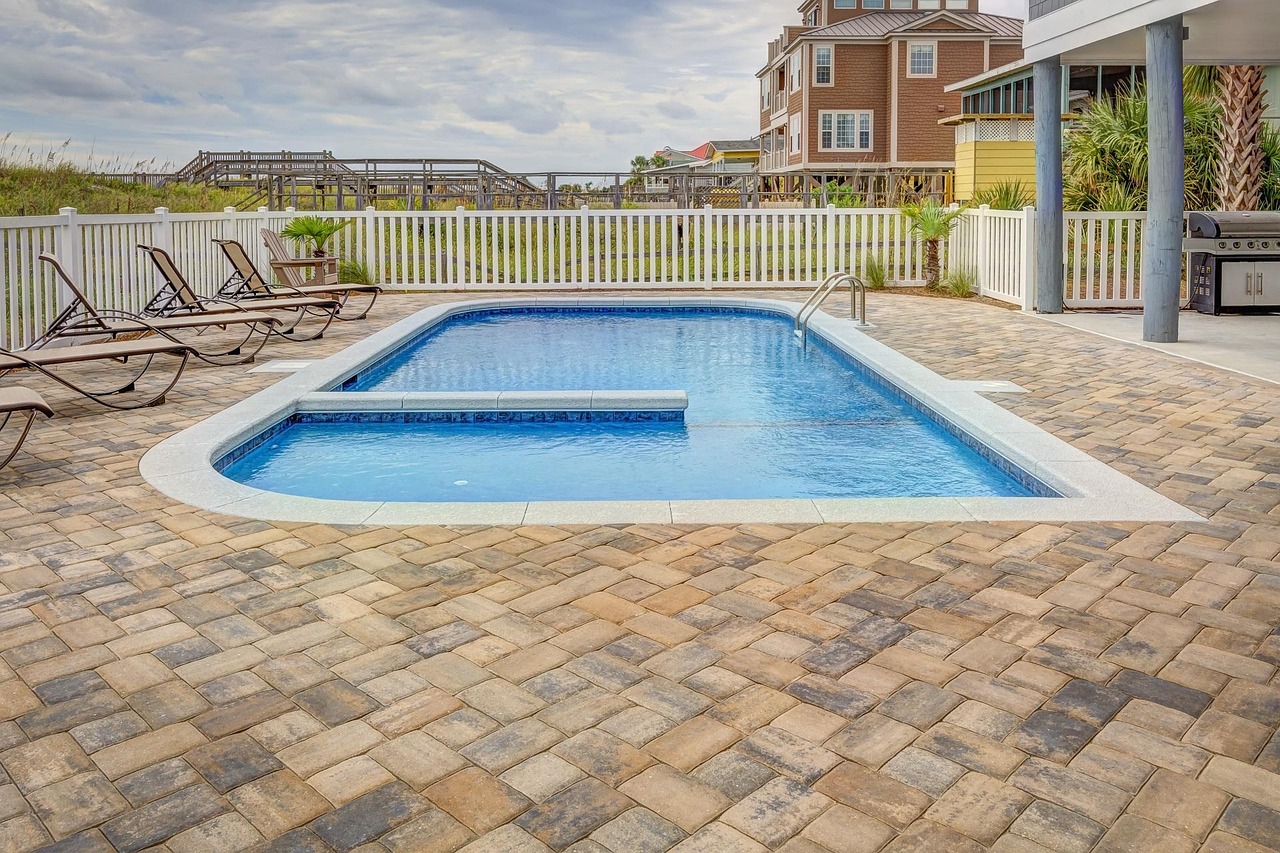
The Project in Sun Prairie
Located northeast of Madison in Dane County, Sun Prairie is renowned for welcoming neighborhoods and outdoor living. Homeowners build paver patios for dining and fire pits. An outdoor paver patio is only as reliable as its foundation. Sinking pavers and puddles are common where subbases were poorly built. Sourcing crushed stone through reliable Sun Prairie gravel delivery provides 3/4 minus base gravel, concrete sand, and stone dust to build an unyielding patio foundation that lasts for decades.
Constructing a durable paver patio base Sun Prairie WI foundation using dense 3/4 minus base gravel, sharp concrete sand, and compacting stone dust creates a level, rut-proof outdoor living area that resists harsh Wisconsin freeze-thaw cycles.
Why Sun Prairie’s Soil and Climate Shape This Project
Sun Prairie’s terrain is formed by glacial drumlins and ground moraines. Native soils belong to the Plano and Ringwood silt loam series, noted for silty topsoils over dense glacial till. These soils hold moisture, expanding when freezing and softening into unstable mud during spring thaws.
Southern Wisconsin winters bring extended freezes, with frost lines reaching thirty to forty inches deep. Soil scientists at University of Wisconsin-Madison Extension emphasize that paver installations over silt loam must rest on an aggregate base with geotextile fabric. When pavers are laid over thin gravel on native silt loam, water migrates upward, causing uneven heaving. Installing a six-to-eight-inch base of dense 3/4 minus gravel over woven fabric bridges subgrade moisture and distributes loads evenly.
Best Aggregate Layers for a Solid Paver Base
Building a freeze-thaw resistant patio requires combining a dense structural base with a uniform sand screed course:
- 3/4″ minus base gravel → Crushed dolomitic limestone containing 3/4-inch rock down to fine stone dust. When moistened and rolled, the angular stones and fines lock tightly together to form an impervious foundation.
- Concrete sand → Coarse, washed, angular bedding sand. It provides an unyielding, free-draining one-inch screed layer that allows precise paver leveling without washing away or compacting unevenly.
- Stone dust → Finely screened limestone dust particles. It works as an exceptional base stabilizer and joint-filling compound that locks paver margins and inhibits weed growth.
Step-by-Step Paver Patio Base Construction Guide
Follow these proven installation steps to construct an unyielding patio base across Sun Prairie properties:
- Design perimeter and excavate: Mark patio borders and excavate seven to nine inches deep to firm subsoil.
- Pitch and compact subgrade: Grade the subsoil with a one-inch fall per eight feet away from your foundation, compacting with a plate compactor. Contractors in Fitchburg compact subsoil thoroughly before placing stone.
- Install woven geotextile fabric: Lay woven road fabric across the excavated footprint, running fabric up perimeter walls to stop silt intrusion.
- Install and compact 3/4 minus gravel: Apply six inches of 3/4 minus gravel in two-inch lifts, misting with water and compacting each lift. Builders in Middleton rely on multi-lift compaction for unyielding patio bases.
- Screed one inch of concrete sand: Set one-inch screed pipes across the base, spreading coarse concrete sand and pulling a straightedge to create a level bedding layer.
- Install pavers and joint sand: Lay concrete pavers onto the undisturbed sand bed, secure edge restraints, and sweep joint sand into seams before final plate compaction.
How Much Aggregate Do You Need?
Compacted 3/4 minus base gravel weighs approximately 1.45 to 1.5 tons per cubic yard, while coarse concrete sand and stone dust weigh roughly 1.35 to 1.4 tons per yard. For a residential patio measuring 16 feet by 20 feet (320 square feet) requiring a six-inch compacted gravel base, you will need approximately 5.9 cubic yards (8.9 tons) of 3/4 minus gravel. Adding a one-inch screed bedding layer of concrete sand requires roughly 1.0 cubic yard (1.4 tons) of sand. Consult our detailed guide to 3/4 minus base gravel for exact depth calculations.
| Material | Patio Layer Application | Estimated Coverage per Ton / Yard |
|---|---|---|
| 3/4 minus base gravel | 6-inch compacted structural base | 45 to 55 sq ft per ton |
| Coarse concrete sand | 1-inch level bedding screed | 250 to 300 sq ft per ton |
| Stone dust screenings | Joint filler & edge support | 80 to 100 sq ft per ton |
| Woven geotextile fabric | Subgrade separation underlayment | 300 to 500 sq ft per roll |
Common Paver Installation Mistakes to Avoid
The single greatest cause of paver patio failure in Sun Prairie is skimping on base gravel thickness or placing pavers directly over uncompacted sand. When spring thaws saturate native silt loam, thin bases settle unevenly, leaving unsightly dips and loose pavers. Installing an engineered paver patio base Sun Prairie WI foundation with six inches of compacted 3/4 minus gravel prevents base failure. Another error is using rounded play sand or stone dust as the bedding layer, as fine sand holds moisture and washes out.
Always install heavy-duty edge restraints secured with ten-inch steel spikes along patio perimeters to prevent exterior pavers from creeping outward into lawn areas.
Local Permitting, Sourcing, and Delivery Logistics
In Sun Prairie, standard ground-level paver patios generally do not require municipal building permits unless connected to roof structures, raised decks, or retaining walls over three feet tall. Verify local lot coverage limits and easements with the City of Sun Prairie Building Inspection Department before digging.
When arranging aggregate shipments, coordinate delivery with a reliable supplier familiar with Dane County neighborhoods. Sourcing through trusted Sun Prairie aggregate delivery ensures dump trucks deliver loads onto driveway pads, keeping your street clear. Access to Wisconsin bulk material delivery services keeps projects on schedule.
Frequently Asked Questions
How thick should a paver patio base be in Sun Prairie?
A minimum of six inches of compacted 3/4 minus base gravel plus a one-inch bedding layer of concrete sand is recommended to withstand Wisconsin freeze-thaw cycles.
Can I use stone dust instead of concrete sand for bedding pavers?
No. Coarse concrete sand is angular and free-draining, whereas stone dust retains moisture and can break down into mush beneath pavers during heavy spring rains.
Why do my patio pavers sink after winter?
Pavers sink when subgrade silt saturates and base gravel is too thin. Frost heave expands wet subsoil, and melting ice leaves voids that cause pavers to drop unevenly.
Do I need geotextile fabric under my patio base?
Yes. Woven geotextile fabric keeps your 3/4 minus gravel from sinking into soft native silt loam, preserving structural base thickness permanently.
Related Resources
- Dense-graded 3/4 minus base gravel for rock-solid paver and walkway foundations
- Clean coarse concrete sand for precise one-inch paver bedding screed layers
- Fine dolomitic stone dust for bedding stabilization and joint gap filling
- Comprehensive installation guide for patio subbases, sand screeding, and compaction
Final Thoughts
Constructing a durable paver patio in Sun Prairie enhances your home and provides outdoor family enjoyment for decades. By excavating topsoil, laying woven geotextile fabric, and compacting 3/4 minus base gravel beneath sharp concrete sand, you eliminate shifting stones and drainage problems. High-grade paver patio base Sun Prairie WI materials guarantee long-term stability. Explore our selection of Sun Prairie patio gravel and base materials. Contact Simple Gravel today to calculate material volumes and schedule prompt delivery to your home.











