
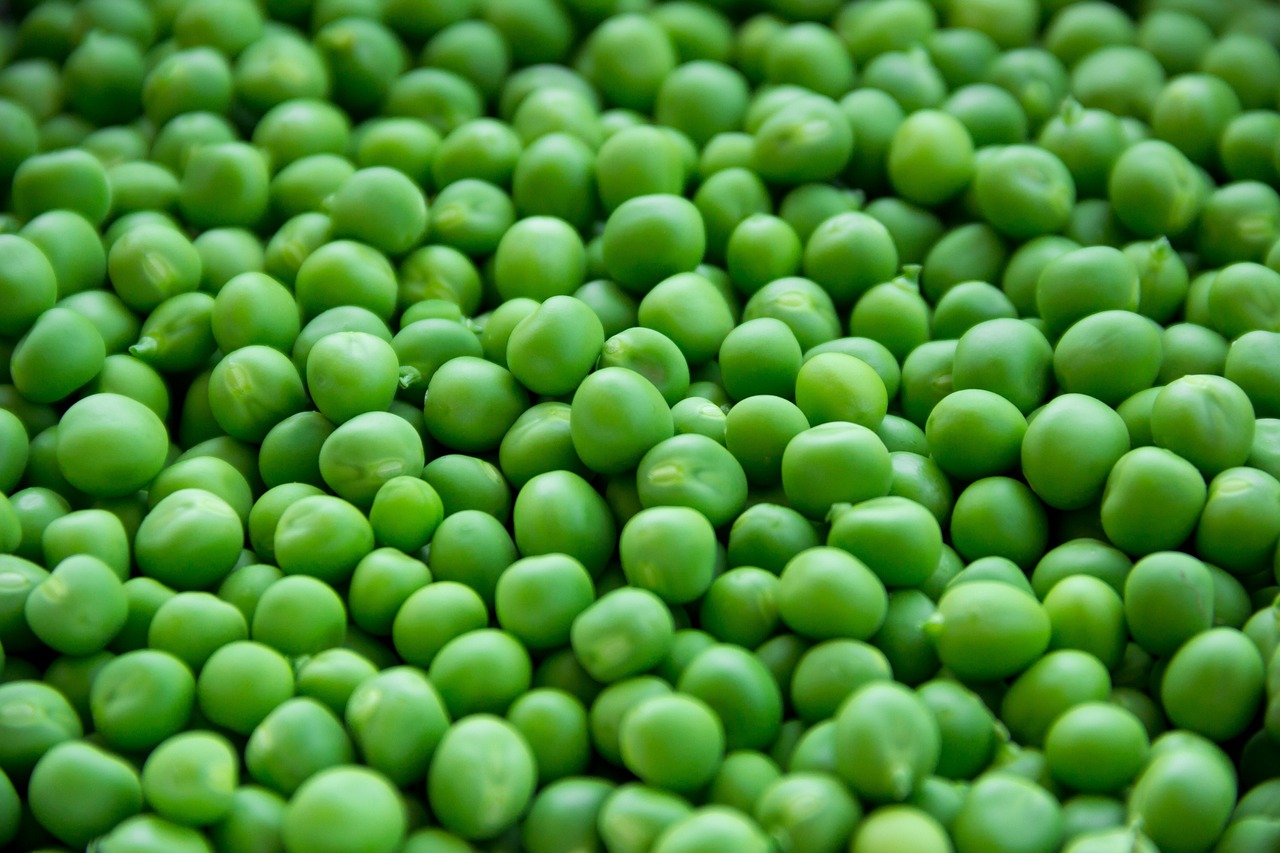
Creating a relaxing outdoor sitting area near water features and garden beds adds functional living space while complementing natural Florida scenery. Constructing a well-contained pea gravel seating area Asbury Lake FL homeowners enjoy delivers comfortable footing, excellent drainage, and enduring visual appeal across Clay County properties.
Located in the scenic lakeside flatwoods south of Orange Park, Asbury Lake properties feature sandy soils and high rainfall. Uncontained gravel scattered over bare dirt quickly scatters into surrounding turf, while furniture legs sink deep into loose stone. Building a tidy gravel patio requires installing sturdy perimeter borders, a solid compacted foundation, and commercial filter fabric that keeps stone clean. Ordering washed pea gravel and compacting base materials through our prompt Asbury Lake aggregate delivery team guarantees fast transport right to your project staging area.
Designing a Resilient Pea Gravel Seating Area Asbury Lake FL Conditions Demand
Lakeside living requires patio surfaces that handle moisture without rotting or developing slippery algae coatings. Paver slabs can shift on loose sand, while wooden decks require constant staining in humid weather. A pea gravel seating area Asbury Lake FL builders install offers an affordable, permeable patio solution that lets heavy rainfall percolate instantly into the ground.
Landscape architecture guidance from the University of Florida IFAS Extension highlights that permeable aggregate surfaces reduce stormwater runoff and replenish local shallow aquifers. Using washed river gravel eliminates chalky runoff, providing a clean outdoor entertaining zone that remains pleasant under bare feet even during warm summer evenings.
Essential Structural Layers for a Neat Gravel Patio
Keeping gravel in place and supporting outdoor furniture requires a systematic three-layer profile:
- Excavated Subgrade: Clearing existing turf and sandy topsoil four inches deep, graded with a slight one percent fall toward exterior swales.
- Geotextile Separation Fabric: Heavy woven landscape fabric that stops weeds and keeps aggregate from sinking into native Florida sand.
- Compacted Base Foundation: Two inches of 1/4-inch minus base gravel or stone dust compacted into a rigid, non-shifting sub-floor.
- Confined Pea Gravel Layer: Two inches of washed, rounded pea gravel retained by rigid metal, composite, or brick border edging.
Comparing Base and Surface Aggregates for Lakeside Patios
Pairing compatible aggregates ensures firm footing without sinking furniture legs:
| Material Type | Particle Profile | Functional Patio Application |
|---|---|---|
| Pea Gravel | 3/8-inch smooth, rounded natural river stones | Comfortable decorative surface layer; barefoot-friendly texture |
| 1/4″ Minus Base Gravel | Angular crushed limestone with mineral fines | Dense compacted foundation; prevents chair legs from sinking |
| Stone Dust | Fine pulverized limestone screenings | Smooth leveling base course; locks tightly under hand compaction |
| Crushed Concrete | Recycled concrete aggregate with dust | Economical sub-base for larger driveways; too rough for patio surfaces |
Step-by-Step Installation of a Low-Maintenance Gravel Patio
Following proven construction steps ensures your seating area remains immaculate for years:
- Excavate and Grade: Outline your patio perimeter, dig down four inches, and tamp the native soil subgrade until firm and uniform.
- Install Rigid Border Edging: Secure heavy-duty steel, aluminum, or composite landscape edging around the perimeter. The top of the edging should sit roughly one-half inch above finished stone grade to trap loose gravel.
- Lay Weed Barrier Fabric: Roll commercial woven fabric across the base, overlapping seams by eight inches and anchoring with landscape staples.
- Place and Compact Base: Spread two inches of 1/4-inch minus base gravel or stone dust, moisten with a garden sprayer, and compact firmly with a hand tamper or mechanical plate compactor.
- Add Pea Gravel Topping: Spread a uniform two-inch layer of clean pea gravel across the compacted base. Avoid spreading deeper than two inches, as excess depth creates a beach-like walking sensation.
Homeowners in southwest Florida communities such as Sarasota Springs utilize identical containment methods to create stylish, permanent aggregate seating retreats.
Quality Aggregates for Beautiful Outdoor Living Spaces
We deliver clean, quarry-direct aggregates that enhance outdoor living comfort:
- Pea gravel → Naturally rounded river pebbles that provide smooth, colorful texture for patios and walkways.
- 1/4″ minus base gravel → Crushed angular limestone base with fines that compacts into an unyielding patio pad.
- Stone dust → Screened limestone dust that creates a smooth, solid bedding foundation.
Explore stone pebble colors and maintenance recommendations in our comprehensive guide to pea gravel before designing your patio space.
Calculating Bulk Material Quantities for Your Patio
Accurate material calculations ensure full coverage without surplus leftover piles:
Cubic Yards Formula: Length (ft) × Width (ft) × Depth (ft) ÷ 27 = Cubic Yards
Tonnage Formula: Cubic Yards × Density Factor = Tons Required (1.35 for Pea Gravel, 1.40 for Base)
For example, constructing an 18-foot by 14-foot seating patio (252 sq ft) with a 2-inch (0.167 ft) base and a 2-inch (0.167 ft) pea gravel top:
Base Layer: 252 sq ft × 0.167 ft = 42.1 cubic feet ÷ 27 = 1.56 cubic yards.
1.56 cubic yards × 1.40 = 2.18 tons of 1/4-inch minus base gravel.
Pea Gravel: 252 sq ft × 0.167 ft = 42.1 cubic feet ÷ 27 = 1.56 cubic yards.
1.56 cubic yards × 1.35 = 2.11 tons of pea gravel.
Ordering 2.5 tons of base gravel and 2.5 tons of pea gravel covers compaction and minor spreading loss. Investing in a tidy pea gravel seating area Asbury Lake FL residents love creates an elegant, mud-free outdoor gathering spot. Contact our team to schedule bulk pea gravel delivery in Asbury Lake directly to your home.
Frequently Asked Questions About Pea Gravel Patios
Why do outdoor chair legs sink into loose pea gravel?
If pea gravel is laid directly over soft sand without a compacted base, or if the gravel layer is spread too thick (over three inches), furniture legs sink easily. A two-inch compacted base prevents furniture sinking completely.
Can I blow leaves off a pea gravel patio without blowing the stone away?
Yes. Set your electric or gas leaf blower to a low throttle setting, holding the nozzle at a shallow angle. Leaves and pine needles will float off the heavier pebbles easily.
What type of border edging is best for containing pea gravel?
Commercial heavy-gauge aluminum or steel edging with rigid ground stakes provides the cleanest, longest-lasting restraint. Brick or concrete pavers set in mortar also form attractive, durable borders.
How often does a pea gravel seating area need maintenance?
Minimal maintenance is required. Simply rake the surface occasionally to smooth foot paths and pull stray windblown weeds. Add a light half-inch top-off of gravel every three to four years to keep it looking brand new.
Order Premium Patio Gravel in Asbury Lake
Turn your backyard into a charming outdoor retreat with quarry-direct patio gravel and base aggregates. Whether your home borders the lake canals or sits on a spacious wooded lot in Clay County, our delivery team coordinates prompt dump truck delivery. View our decorative gravel products and book your order through our Asbury Lake aggregate supply specialists today.











