




Choosing the correct aggregate sizing for residential stormwater trenches, foundation drains, and yard swales in Centreville requires understanding how water moves through heavy Triassic clay. Located in western Fairfax County near Route 28, US-29, and Interstate 66, properties in Centreville rest on the Culpeper Triassic Basin. Subsoils consist of dense red siltstone, shale, and expansive red clay that bakes rock-hard in midsummer heat and expands dramatically into an impermeable quagmire during wet seasons. When Atlantic storms dump torrential rainfall across low-sloped lots, surface water pools against house footings and drowns lawn turf. Property owners evaluating pea gravel vs 57 stone Centreville VA drainage options must balance hydraulic flow velocity against compaction stability and surface aesthetics. Sourcing the right clean washed stone ensures subsurface drainage pipes remain free of sediment and function reliably for decades. Homeowners can schedule prompt bulk deliveries directly from our Centreville gravel delivery page to secure clean drainage stone and washed round aggregate.
Installing properly sized clean aggregate around perforated drain pipes prevents sediment intrusion, relieves hydrostatic pressure, and keeps residential basements dry through heavy Mid-Atlantic rainstorms.
To inspect Culpeper Basin red shale geology, regional clay soil classifications, and Fairfax County residential drainage standards, check:
Geography and Soil Characteristics of Centreville, Virginia (Wikipedia)
Why Triassic Red Clay Demands Pea Gravel vs 57 Stone Centreville VA
Culpeper red clay contains microscopic particles that saturate slowly and remain waterlogged for days. Trapped water exerts tremendous hydrostatic pressure against foundation walls and drowns grass roots in standing puddles. Comparing pea gravel vs 57 stone Centreville VA contractors choose highlights how aggregate geometry dictates drainage efficiency.
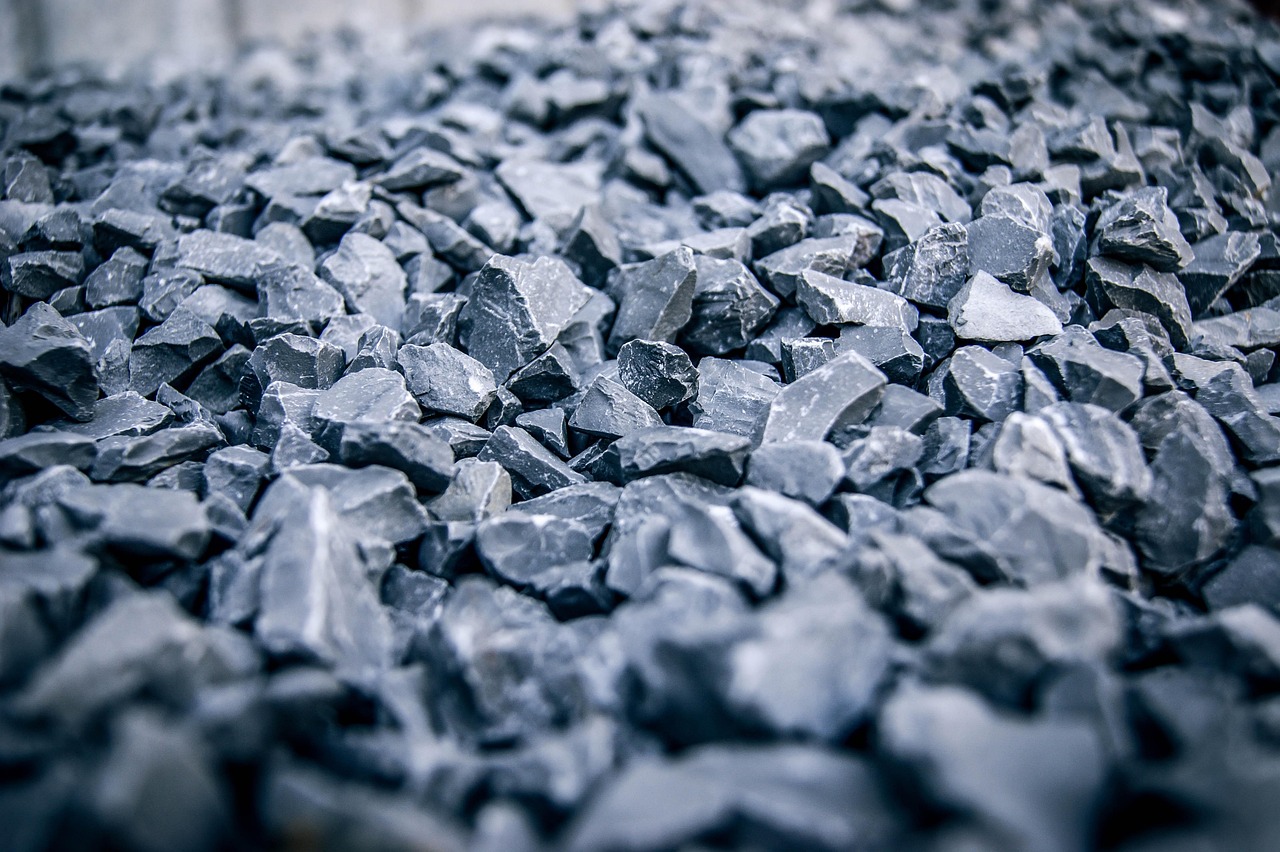
Clean #57 stone consists of 3/4-inch angular crushed limestone or granite with forty percent open void space, allowing high volumes of groundwater to drop instantly into collection pipes without restriction. Smooth pea gravel features rounded river stones that offer slightly smaller void ratios but create an attractive, foot-friendly walking surface along open garden swales. For projects located in nearby western Fairfax County neighborhoods, explore our Chantilly aggregate delivery options for compatible materials.
- Clean angular high-capacity drainage stone → #57 stone
- Smooth rounded decorative drainage aggregate → Pea gravel
- Precision screeding chip stone → 1/4″ clean crushed stone
- Heavy storm channel revetment aggregate → 1 1/2″ clean rock
Explore drainage gravel in Centreville today
Comparing Aggregate Specifications for Drainage Projects
Understanding particle shapes and void spaces ensures you select the optimal aggregate for subsurface trenches or open surface waterways.
| Aggregate Type | Particle Shape & Size | Ideal Drainage Application |
|---|---|---|
| #57 Crushed Stone | 3/4″ Angular Fractured Faces | Buried French drains, retaining wall chimneys, and foundation footing drainage collectors. |
| Pea Gravel | 3/8″ Smooth Rounded River Rock | Exposed surface swales, drip line splash zones, and decorative perimeter walkways. |
| 1/4″ Clean Crushed Stone | 1/4″ Fine Angular Chips | Fine pipe bedding, filter screeds, and permeable paver bedding layers. |
| 1 1/2″ Clean Rock | 1 1/2″ Coarse Angular Ballast | High-capacity dry well pits and heavy velocity dissipation swale aprons. |
Installing Subsurface French Drains in Centreville
Excavate a trench twelve inches wide and eighteen to twenty-four inches deep along the problem area, maintaining a continuous slope of at least one percent toward a safe discharge outlet. Line the bottom and sidewalls of the trench with commercial non-woven geotextile drainage fabric, leaving enough fabric along the sides to overlap over the stone core later.
Spread a two-inch bedding layer of clean #57 stone along the trench bottom. Lay a four-inch perforated drainage pipe with holes facing downward onto the stone bed. Backfill around and over the pipe with clean #57 stone to within four inches of the ground surface. Review our detailed pea gravel material guide for comparative flow ratings and void metrics. Fold the geotextile fabric over the aggregate and cap with topsoil or decorative pea gravel.
Surface Swales and Splash Basins With Pea Gravel
When constructing open surface waterways or roof downspout splash zones where aggregate remains visible, washed pea gravel offers distinct aesthetic advantages. Its rounded contours create a smooth, finished landscape feature that complements residential flower beds while providing reliable surface percolation.
Excavate a shallow swale six inches deep and two feet wide, line with geotextile fabric, and fill with smooth pea gravel. Rainwater soaking into the pea gravel flows along the fabric-lined invert without eroding native red clay, keeping landscape borders crisp and clean throughout heavy summer storms.
Benefits of Bulk Aggregate Delivery in Centreville
- Dump truck delivery deposits multiple tons of clean drainage stone directly beside your trench work area.
- Dramatically more economical per ton than loading and hauling dozens of heavy retail bags.
- Triple-washed quarry stone guarantees aggregates are free from fine dust and clay that could clog fabric.
- Experienced drivers navigate residential streets along Route 28 and Route 29 safely.
Calculating Aggregate Quantities for Drainage Projects
Accurate material calculation prevents shortages when ordering pea gravel vs 57 stone Centreville VA supplies. Measure trench length in feet, multiply by width in feet, multiply by aggregate depth in inches, and divide by 324 to determine total cubic yards. Clean #57 stone and washed pea gravel weigh approximately 1.4 tons per cubic yard.
For example, if you are digging an 80-foot French drain that is 1 foot wide (80 square feet) with 14 inches of #57 stone backfill, multiply 80 by 14 to get 1,120. Divide 1,120 by 324 to find 3.46 cubic yards. Multiplying 3.46 cubic yards by 1.4 tons indicates that you will need approximately 4.8 tons of bulk clean drainage stone.
Frequently Asked Questions
Is pea gravel or #57 stone better for a French drain in Centreville?
Clean #57 angular stone is preferred for buried French drains because its larger open voids provide faster water conveyance and resist shifting.
Can fine red clay clog pea gravel drainage trenches?
Yes, fine Culpeper clay easily infiltrates stone voids; always line the entire drainage trench with non-woven geotextile fabric before placing stone.
Do I need to wash pea gravel before installing it?
Our bulk pea gravel is triple-washed at the quarry to eliminate dirt, sand, and dust, ensuring it is ready for immediate drainage installation.
Can I walk barefoot on a pea gravel drainage swale?
Yes, washed pea gravel has smooth rounded river surfaces that are comfortable for bare feet and safe for pets playing in the yard.
Final Thoughts
Selecting the ideal aggregate between angular #57 crushed stone and smooth rounded pea gravel depends on whether your project is buried underground or exposed on the surface. By lining trenches with heavy geotextile fabric and backfilling with clean, washed stone, you protect your Centreville property against heavy stormwater damage. Find your Virginia delivery area here to schedule bulk delivery of clean drainage stone and pea gravel directly to your site.











