




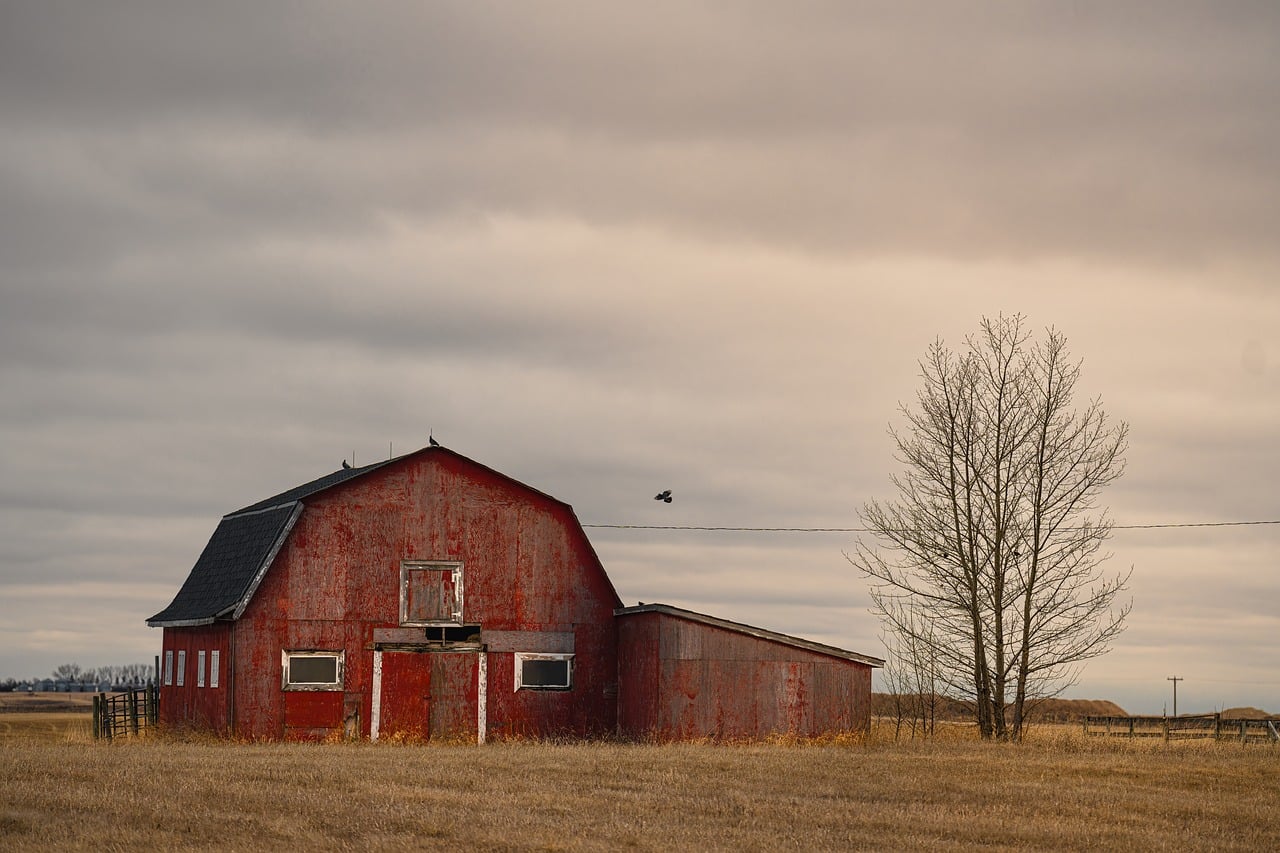
The Project in Crown Point
Constructing a pole barn in Lake County demands a structural foundation that resists settlement, moisture intrusion, and severe winter frost. Whether you plan an agricultural storage building along 113th Avenue or a residential workshop south near Cedar Lake, your building relies on a stable base. A properly designed pole barn gravel pad Crown Point IN installation provides clean drainage beneath concrete slabs, stabilizes post footings, and prevents heavy equipment from sinking into native soil. Property owners tackling this installation need reliable gravel delivery in Crown Point to establish a firm aggregate subgrade.
Choosing the correct aggregate layers ensures your pole barn withstands heavy dead loads and vehicle traffic. Browse popular materials for this area:
- Crushed run → Best for interlocking lower sub-base compaction.
- 3/4″ minus base gravel → Best for smooth top grading beneath post barn footings.
- Crushed concrete → Best for economical heavy-duty pad foundation bulk.
Learn more in our guide to crushed run base material.
Why Crown Point’s Soil and Climate Shape This Project
Crown Point sits atop dense glacial till dominated by Markham and Elliott silt loams. These soils feature high clay fractions that retain heavy moisture during spring thaws and autumn rainfall. When saturated, native Lake County clay loses shear strength, turning soft under the weight of equipment and framing timbers. If a pole barn is erected directly over uncompacted clay, posts experience differential settling, causing doors to bind and roof trusses to shift out of square.
Lake County requires foundations below a thirty-six-inch frost line. Winter freezes expand trapped soil moisture, creating frost heave. Installing six to eight inches of angular crushed stone breaks capillary rise, channeling water away from posts and ensuring a stable pad through Indiana winters.
Best Gravel and Stone Options for Pole Barn Pads in Crown Point
Selecting aggregate depends on whether your pad serves as an open gravel floor or a structural base for a poured concrete slab.
| Material | Best Used For | Key Advantage in Crown Point |
|---|---|---|
| Crushed Run | Lower sub-base structural stabilization | Interlocking stone matrix compacts into an unyielding monolithic pad. |
| 3/4″ Minus Base Gravel | Upper leveling layer and slab sub-base | Blends angular limestone chips with fines for an accurate final grade. |
| Crushed Concrete | High-volume economical base fill | Recycled aggregate binds tightly while reducing total material expenses. |
| #53 Dense Graded Stone | Perimeter parking and exterior aprons | Tolerates heavy truck turning without shoving or creating deep ruts. |
Crushed run forms the preferred structural heart for most Lake County outbuildings. Fractured limestone and rock fines knit together under mechanical vibration, eliminating internal voids. For upper leveling, 3/4-inch minus allows precise screeding across building lines before post hole boring begins.
Step-by-Step Pole Barn Pad Construction
Follow these construction steps to prepare a durable pole barn gravel pad Crown Point IN site.
- Clear vegetation and topsoil: Strip eight to ten inches of organic loam across the pad footprint plus a five-foot perimeter buffer.
- Grade the subgrade: Crown the clay so water drains outward at a two percent slope. Compact bare soil thoroughly. Similar grading standards apply to storage yards across Merrillville.
- Lay woven fabric: Roll six-ounce woven geotextile over the clay, overlapping seams eighteen inches to stop mud intrusion.
- Spread lower base: Spread four inches of crushed run or crushed concrete across the pad with a skid steer.
- Mechanically compact: Run a vibratory plate compactor in overlapping passes, misting rock lightly for maximum density.
- Place top base: Add three to four inches of 3/4-inch minus base gravel, screeding flat with a laser level.
How Much Gravel Do You Need?
Use standard industry formulas: Multiply length by width by depth in feet to get cubic feet, divide by 27 for cubic yards, and multiply cubic yards by 1.4 to calculate total required tons of dense-graded stone.
Consider a standard 30-foot by 40-foot pole barn pad in Crown Point requiring an eight-inch (0.67-foot) deep aggregate base, extended two feet beyond walls for a 34-foot by 44-foot footprint (1,496 square feet):
1,496 sq ft × 0.67 ft = 1,002.3 cubic feet.
1,002.3 / 27 = 37.12 cubic yards.
37.12 × 1.4 = 51.97 tons.
Adding a ten percent compaction allowance yields approximately 57 tons of aggregate, which translates to three tri-axle dump truck deliveries.
Common Mistakes to Avoid in Crown Point
- Skipping geotextile fabric: Heavy Lake County clay swallows clean stone within two seasons if separated only by bare dirt.
- Compacting in a single thick lift: Plate compactors cannot consolidate layers thicker than four inches, leaving deep voids prone to settlement.
- Failing to extend pad edges: Cutting the pad flush with posts leaves edges vulnerable to erosion when roof runoff cascades from eaves.
- Neglecting perimeter swales: High groundwater around Crown Point requires positive surface swales to direct storm runoff toward drainage easements.
- Using rounded gravel: Smooth river stones roll under vehicle tires and cannot lock together to support building weight.
Local Sourcing, Permitting, and Delivery in Crown Point
Lake County and the City of Crown Point require building permits for detached accessory structures exceeding specific square footages. Check setback rules through the Crown Point Building Department. Consult technical guidance from the Purdue Extension for soil stability and site preparation standards applicable across northern Indiana agricultural parcels.
Prepare your driveway and job site before dump trucks arrive. Tri-axle delivery trucks carry gross vehicle weights topping sixty thousand pounds. Clear low overhead tree branches and mark buried utilities before requesting bulk aggregate delivery in Crown Point.
Frequently Asked Questions
How deep should a gravel pad be for a pole barn in Crown Point?
Residential pole barns need six to eight inches of compacted aggregate over geotextile fabric. For heavy farm machinery or RV storage, increase pad depth to ten inches placed in two compacted lifts.
Can I pour a concrete floor directly over my gravel pad later?
Yes. A well-compacted 3/4-inch minus pad provides an ideal sub-base. Verify elevations, place a vapor barrier and rebar, and pour concrete directly over the prepared stone.
Do I need to dig below the frost line for a gravel pad?
No. Structural posts must extend thirty-six to forty-eight inches below the frost line. The gravel pad rests on the surface to distribute weight and drain surface water.
What is the difference between crushed run and crushed concrete?
Crushed run consists of virgin quarried limestone with stone dust. Crushed concrete is recycled pavement crushed to similar gradations. Both compact densely, though crushed concrete saves material cost.
Related Resources
- Crushed Run Base Material Product Details
- 3/4″ Minus Base Gravel Specifications
- Crushed Concrete Product Details
- Complete Crushed Run Material Guide
Final Thoughts
Investing in thorough site preparation and quality crushed aggregate guarantees your pole barn gravel pad Crown Point IN project stands strong against northern Indiana weather for decades. Discover extensive gravel and landscape stone services across Indiana to source tested quarry materials. Contact Simple Gravel to check delivery schedules and schedule your Crown Point gravel delivery with complete confidence.











