




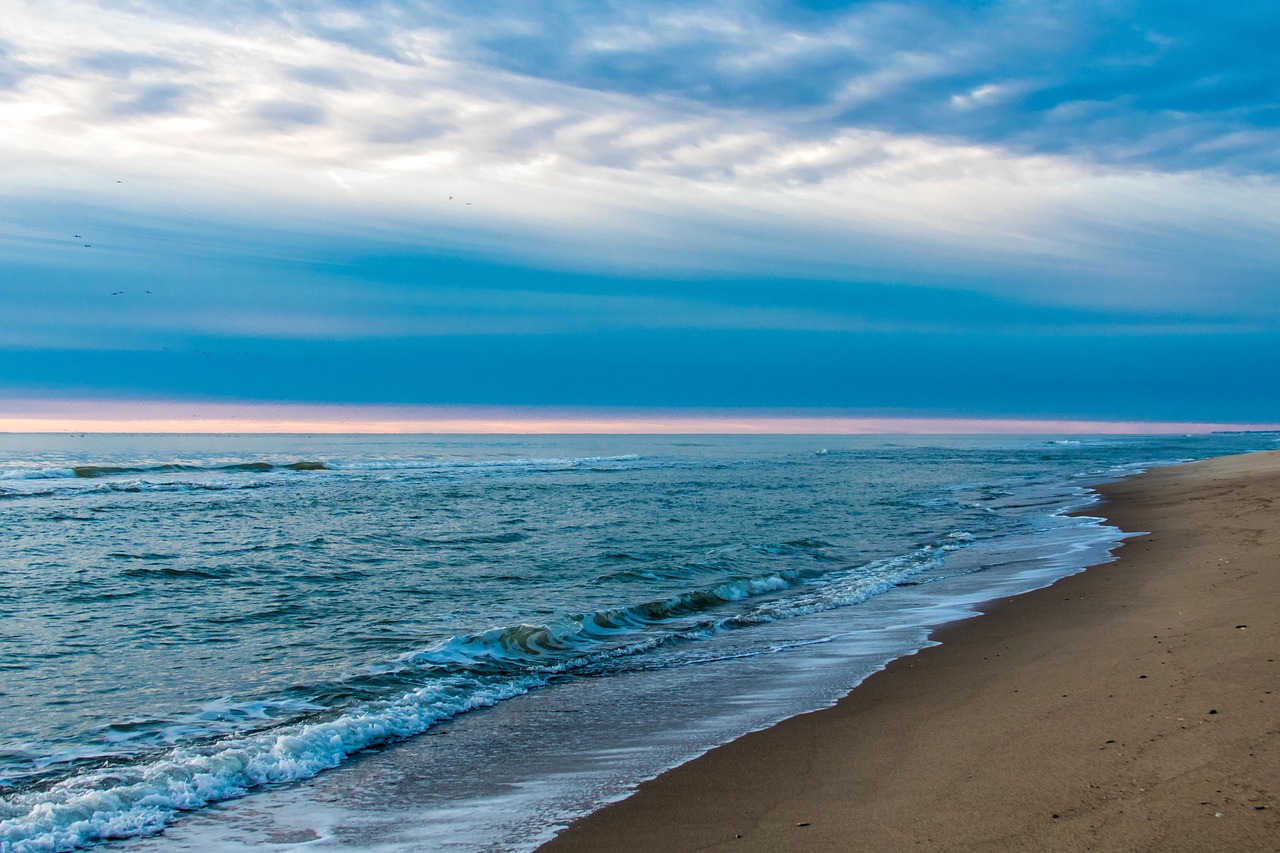
The Project in Hampton Beach
Hampton Beach is New Hampshire’s premier oceanfront resort destination, famous for its lively boardwalk, sandy Atlantic beaches, and vibrant summer cottages. However, maintaining attractive residential landscaping in a barrier beach environment is an uphill battle against Mother Nature. Coastal lots feature coarse, nutrient-depleted dune sand that retains almost zero moisture. Summer heat and Atlantic breezes quickly scorch turfgrass, leaving behind barren sand dunes and dust clouds. Sourcing enriched growing media through sandy yard landscaping materials in Hampton Beach provides the organic nutrients and structure necessary to build thriving coastal gardens.
Creating an appealing coastal landscape requires blending rich organic soils with durable stone features. Implementing a tailored sandy lot landscaping Hampton Beach NH strategy with screened topsoil, rich compost amendments, and salt-tolerant pea gravel paths transforms barren beach sand into lush coastal living spaces.
Why Hampton Beach’s Soil and Climate Shape This Project
Hampton Beach rests on a dynamic barrier beach system underlain by Hooksan and Beaches soil series. These soils consist almost entirely of coarse, loose silica sand with virtually zero clay or silt. Rainwater and lawn irrigation percolate downward instantly through the sandy profile, washing water-soluble fertilizer down into groundwater before plant root hairs can absorb it.
Furthermore, coastal properties face harsh salt-laden ocean winds, winter Nor’easters, and summer drought spells. Agronomists at the University of New Hampshire Extension emphasize that coastal soil improvement requires introducing high-carbon organic matter. Blending dark compost and screened loam into sandy subgrades binds mineral particles together, boosts water retention, and supplies beneficial microbiology that allows native coastal shrubs like bayberry, beach rose, and switchgrass to thrive.
Best Soil and Aggregate Options for Coastal Beach Lots
Revitalizing sandy oceanfront lots requires combining moisture-retaining soils with salt-resistant stone aggregates:
- Screened topsoil → Sifted, rock-free native loam rich in mineral fines. It introduces essential silt and clay particles into coarse beach sand, creating an unyielding structural base for lawns and shrub beds.
- Compost soil → Fully decomposed organic humus loaded with beneficial microbes. Blending compost into sandy ground dramatically increases moisture retention and provides steady biological nutrition.
- Pea gravel → Smooth 3/8-inch rounded river pebbles. It provides a salt-proof, wind-resistant groundcover for cottage paths, outdoor showers, and patio dining zones.
Step-by-Step Coastal Soil Conditioning and Path Installation
Structured soil enrichment, organic mulching, and stone pathway containment ensure lasting coastal garden health:
- Define planting beds and walkways: Sketch your layout, placing garden beds in sheltered cottage nooks and routing paths to beach gates.
- Excavate coarse beach sand: Remove four to six inches of barren dune sand from planting zones. Homeowners improving rocky lots in nearby Somersworth follow similar excavation methods to replace low-grade soils.
- Blend compost and screened topsoil: Mix fifty percent screened topsoil with fifty percent organic compost, incorporating a two-inch layer into the native sand subgrade with a rototiller.
- Install rigid path border edging: Anchor commercial-grade vinyl or treated timber edging along path boundaries to prevent coastal sand intrusion.
- Lay permeable weed fabric: Line path trenches with non-woven geotextile fabric to keep pea gravel separated from shifting dune sand.
- Distribute surface pea gravel: Shovel clean pea gravel two to three inches deep across paths, tamping lightly to establish a comfortable foot path.
How Much Soil and Gravel Do You Need?
Accurate material estimation ensures efficient project execution. Bulk topsoil and compost are measured in cubic yards, while pea gravel is calculated by weight in tons. One cubic yard of screened topsoil covers approximately 108 square feet at three inches deep. A coastal planting bed measuring 10 by 30 feet (300 square feet) amended to a six-inch depth requires roughly 5.5 cubic yards of topsoil-compost blend. Consult our guide to screened topsoil materials for exact volume formulas.
| Material | Project Application | Estimated Coverage per Ton / Yard |
|---|---|---|
| Screened topsoil | Lawn and bed base | 54 to 80 sq ft per cu yd |
| Compost soil | Soil amendment | 80 to 160 sq ft per cu yd |
| Pea gravel | Cottage walkways | 80 to 100 sq ft per ton |
| Coarse pathway sand | Subgrade leveling | 100 to 120 sq ft per ton |
Common Mistakes to Avoid in Hampton Beach
The most frequent error is spreading chemical fertilizer directly onto sandy soil. Fertilizer leaches straight through loose sand into the ocean without helping plants, causing groundwater pollution. Sourcing proper sandy lot landscaping Hampton Beach NH materials with rich organic compost binds nutrients naturally. Another common mistake is choosing wood mulch for windy beach lots; ocean breezes blow lightweight mulch away within weeks.
Do not install gravel walkways over beach sand without non-woven geotextile fabric. Without a fabric barrier, heavy foot traffic pushes gravel down into shifting dune sand.
Local Sourcing, Permitting, and Delivery in Hampton Beach
Minor soil amending, raised garden bed construction, and gravel pathway installations do not require building permits in Hampton Beach. However, properties located within 250 feet of the tidal shoreline are governed by the New Hampshire Shoreland Water Quality Protection Act (RSA 483-B), which regulates earthmoving and tree removal.
When booking aggregate delivery, partner with experienced Hampton Beach soil and gravel suppliers. Coastal cottage roads are narrow and heavily congested during summer months. Schedule bulk delivery during spring or autumn and designate an accessible driveway drop zone.
Frequently Asked Questions
Can I grow grass directly on beach sand in Hampton Beach?
Grass cannot survive long on unamended beach sand. You must incorporate at least four to six inches of screened topsoil and compost to provide moisture retention and nutrients.
What plants grow best in sandy coastal soils?
Salt-tolerant native plants like rugosa rose, bayberry, beach plum, switchgrass, and daylilies thrive in amended coastal sand with minimal supplemental irrigation.
Is pea gravel safe around outdoor cottage showers?
Yes. Washed pea gravel provides an ideal, free-draining surface beneath outdoor showers that drains soap rinse water instantly without tracking sand into the house.
How often should I add compost to sandy coastal soil?
Add a fresh one- to two-inch layer of rich compost every spring. Compost decomposes rapidly in hot, well-aerated sandy soil and must be replenished annually.
Related Resources
- Screened topsoil for sandy yard revitalization
- Organic compost soil for vital moisture retention
- Rounded pea gravel for salt-proof cottage paths
- Comprehensive topsoil and soil conditioning guide
Final Thoughts
Transforming a harsh, barren beach lot into a flourishing coastal cottage garden is entirely achievable with proper soil science. Investing in dedicated sandy lot landscaping Hampton Beach NH solutions with rich organic compost, premium screened topsoil, and salt-proof pea gravel pathways creates an attractive outdoor retreat designed to withstand ocean breezes. Explore complete New Hampshire aggregate and stone delivery options to source certified soils and decorative gravels. Contact Simple Gravel today to calculate your exact yardage and schedule prompt delivery through trusted Hampton Beach aggregate delivery specialists.
SOURCES_USED:
University of New Hampshire Extension (Coastal Landscaping & Soil Amendment), New Hampshire Department of Environmental Services (DES Coastal Buffer Guidelines), USDA NRCS.











