




The Project in Millville
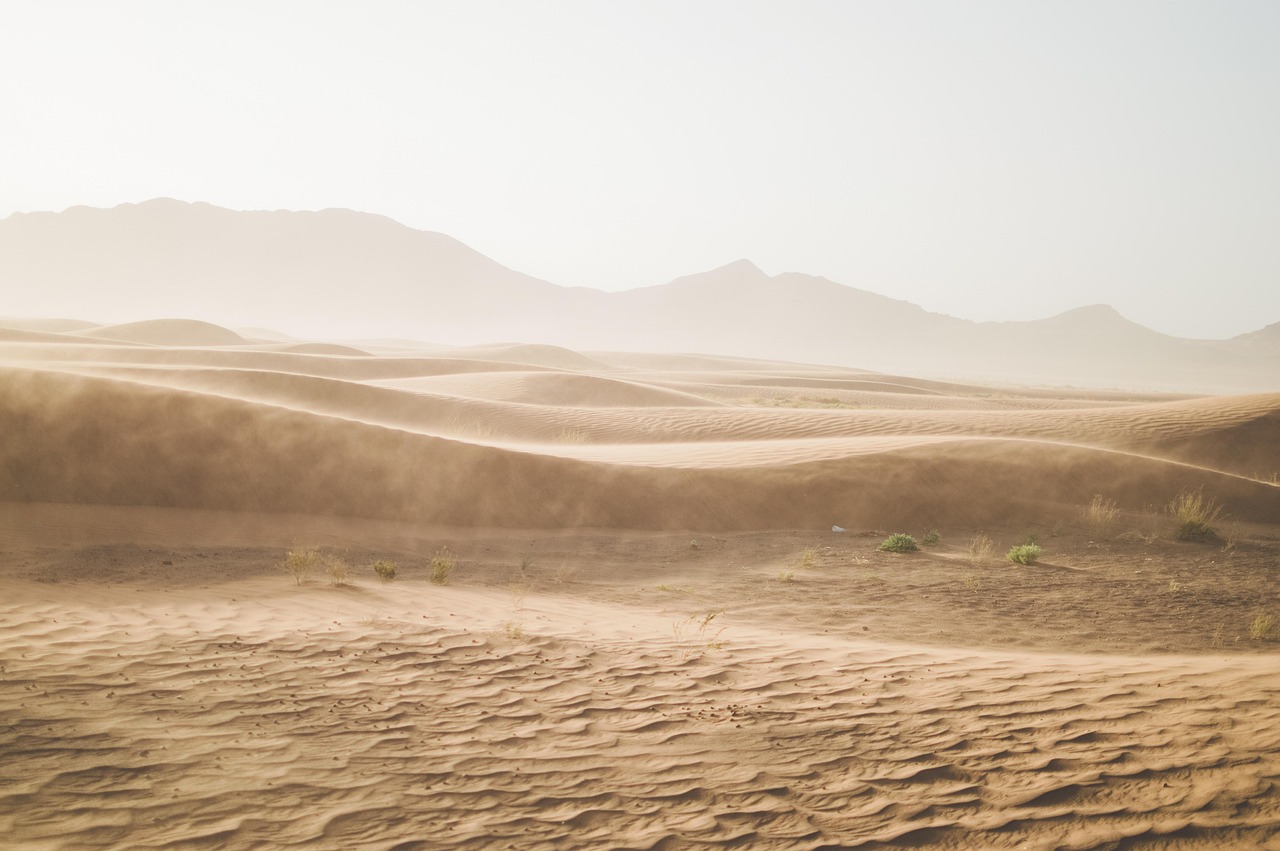
Situated in Cumberland County along the scenic Maurice River, Millville is celebrated for its historic glassmaking heritage, artistic downtown, and proximity to the vast New Jersey Pine Barrens. Across residential neighborhoods and rural properties, homeowners take pride in establishing lush green lawns, bountiful vegetable gardens, and flowering perennial beds. However, working with the native ground in southern New Jersey is an ongoing struggle against nutrient-poor, ultra-porous sand. Water applied through sprinklers vanishes instantly, fertilizers leach away before plants can absorb them, and midsummer heat scorches turfgrass. Sourcing rich bulk media through topsoil and compost in Millville provides the essential organic matter and mineral structure required to build healthy, fertile soil.
Remediating hungry desert-like ground requires structured biological amending and mineral soil blending. Implementing an effective sandy soil topsoil Millville NJ program with premium screened topsoil, aged compost soil, and enriched garden blends transforms barren sands into flourishing garden landscapes.
Why Millville’s Soil and Climate Shape This Project
Millville sits within the Atlantic Coastal Plain on the southern fringe of the Pine Barrens, underlain by Aura, Downer, and Evesboro sandy loam soils. These geological formations consist of ninety percent coarse silica sand and quartz pebbles with virtually zero natural silt, clay, or organic humus. These soils possess exceptionally high permeability and an acidic pH, often ranging between 4.5 and 5.2.
During summer heat waves, surface sand temperatures soar. Soil scientists at the Rutgers New Jersey Agricultural Experiment Station emphasize that coarse sand holds almost zero nutrient-binding capacity. Incorporating organic compost and screened mineral loam into sandy subgrades binds grains together, boosts moisture retention, and introduces beneficial biology that fuels root development.
Best Soil and Amendment Options for Millville Sandy Ground
Transforming porous Pine Barrens sand requires combining mineral structure with biologically active organic humus:
- Screened topsoil → Sifted, rock-free native loam rich in natural mineral fines. It introduces essential silt and clay particles into coarse sand, creating a stable, nutrient-binding base for lawns and shrub beds.
- Compost soil → Dark, fully decomposed organic material rich in beneficial microorganisms and balanced plant nutrition. Blending compost into sandy soil dramatically increases water-holding capacity and buffers soil pH.
- Garden soil → A specialized growing blend combining screened loam, aged compost, and coarse sand. It provides the ideal loose, friable structure required for heavy-feeding vegetables, fruit trees, and perennial gardens.
Step-by-Step Soil Building Over Porous Sand
Excavation, deep mechanical blending, and organic topdressing ensure lasting lawn fertility:
- Test baseline pH: Test soil pH; native Pine Barrens sands typically require lime to raise pH to 6.5.
- Excavate surface sand: Strip away dry weeds and surface sand three to four inches deep. Landscapers in nearby Glassboro follow this method.
- Apply organic compost: Spread a two- to three-inch lift of rich compost soil directly over the sand bed.
- Incorporate screened topsoil: Add three to four inches of screened topsoil over the compost layer.
- Rototill to blend: Thoroughly blend topsoil and compost into the upper four inches of native sand.
- Seed and mulch: Rake smooth, seed with tall fescue, and cover with clean straw mulch to retain moisture.
How Much Topsoil and Compost Do You Need?
Accurate material calculations prevent running out of soil during site preparation. Bulk topsoil and compost are measured in cubic yards. One cubic yard covers approximately 108 square feet at three inches deep. A lawn area measuring 30 by 40 feet (1,200 square feet) requiring a three-inch layer of topsoil and a two-inch layer of compost needs roughly 11 cubic yards of screened topsoil and 7.5 cubic yards of compost. Consult our guide to premium screened topsoil for detailed coverage formulas.
| Material | Project Application | Estimated Coverage per Ton / Yard |
|---|---|---|
| Screened topsoil | Lawn and garden base | 54 to 80 sq ft per cu yd |
| Compost soil | Organic soil amendment | 80 to 160 sq ft per cu yd |
| Garden soil | Raised vegetable beds | 27 to 40 sq ft per cu yd |
| Mulch topdressing | Moisture conservation | 100 to 150 sq ft per cu yd |
Common Mistakes to Avoid in Millville
A widespread mistake is spreading commercial fertilizer on unamended sand. Soluble nitrogen washes straight through porous sand into shallow aquifers within hours, starving grass roots. Executing a comprehensive sandy soil topsoil Millville NJ program with rich organic compost binds nutrients naturally in the root zone. Another frequent mistake is rototilling only two inches deep; shallow amending creates a hard transition layer that stunts taproot growth.
Do not leave bare sandy soil unmulched during hot summer months. Direct sun bakes organic matter out of sandy soil, depleting beneficial microbes rapidly.
Local Sourcing, Permitting, and Delivery in Millville
Standard residential lawn regrading, soil conditioning, and raised garden bed installations do not require building permits in Millville or Cumberland County, provided they do not alter natural surface stormwater drainage patterns onto adjacent properties.
When booking soil delivery, partner with reliable Millville topsoil and compost suppliers. Large tri-axle dump trucks require firm, accessible drop locations. Sandy driveways can be soft; designate an open drop location on concrete aprons or lay down heavy plywood sheets.
Frequently Asked Questions
Can I grow a good lawn on Pine Barrens sand?
Yes. By incorporating four to six inches of screened topsoil and organic compost, you create a water-retentive loam blanket that supports lush, drought-hardy tall fescue lawns.
How does compost improve sandy soil?
Compost adds organic humus that acts like a sponge, holding up to five times its weight in water, while providing beneficial microbes that release essential plant nutrients.
Do I need to add lime to Millville soil?
Yes. Native southern New Jersey sand is naturally acidic (pH 4.5 to 5.2). Adding agricultural pelletized lime raises pH to the 6.2 to 6.8 range ideal for lawns and vegetables.
How often should I add compost to my lawn or garden?
Topdressing lawns with a 1/4-inch layer of fine compost every autumn, or adding two inches to vegetable gardens yearly, replenishes organic matter consumed by heat and microbes.
Related Resources
- Screened topsoil for sandy soil transformation
- Organic compost soil for moisture and nutrient retention
- Enriched garden soil for productive planting beds
- Complete guide to topsoil selection and application
Final Thoughts
Hungry, porous Pine Barrens sand does not have to limit your landscaping dreams. Building a fertile soil foundation with rich organic compost, premium screened topsoil, and dedicated garden blends creates a resilient growing environment that retains moisture through hot southern New Jersey summers. Sourcing certified sandy soil topsoil Millville NJ materials ensures your lawn and garden flourish year after year. Explore complete New Jersey aggregate and landscape stone delivery options to find bulk soils across Cumberland County. Contact Simple Gravel today to calculate your material quantities and schedule prompt delivery through trusted Millville soil delivery specialists.
SOURCES_USED:
Rutgers New Jersey Agricultural Experiment Station (Pine Barrens Soils & Organic Amendment), Cumberland County Soil Conservation District, USDA NRCS Soil Survey.











