
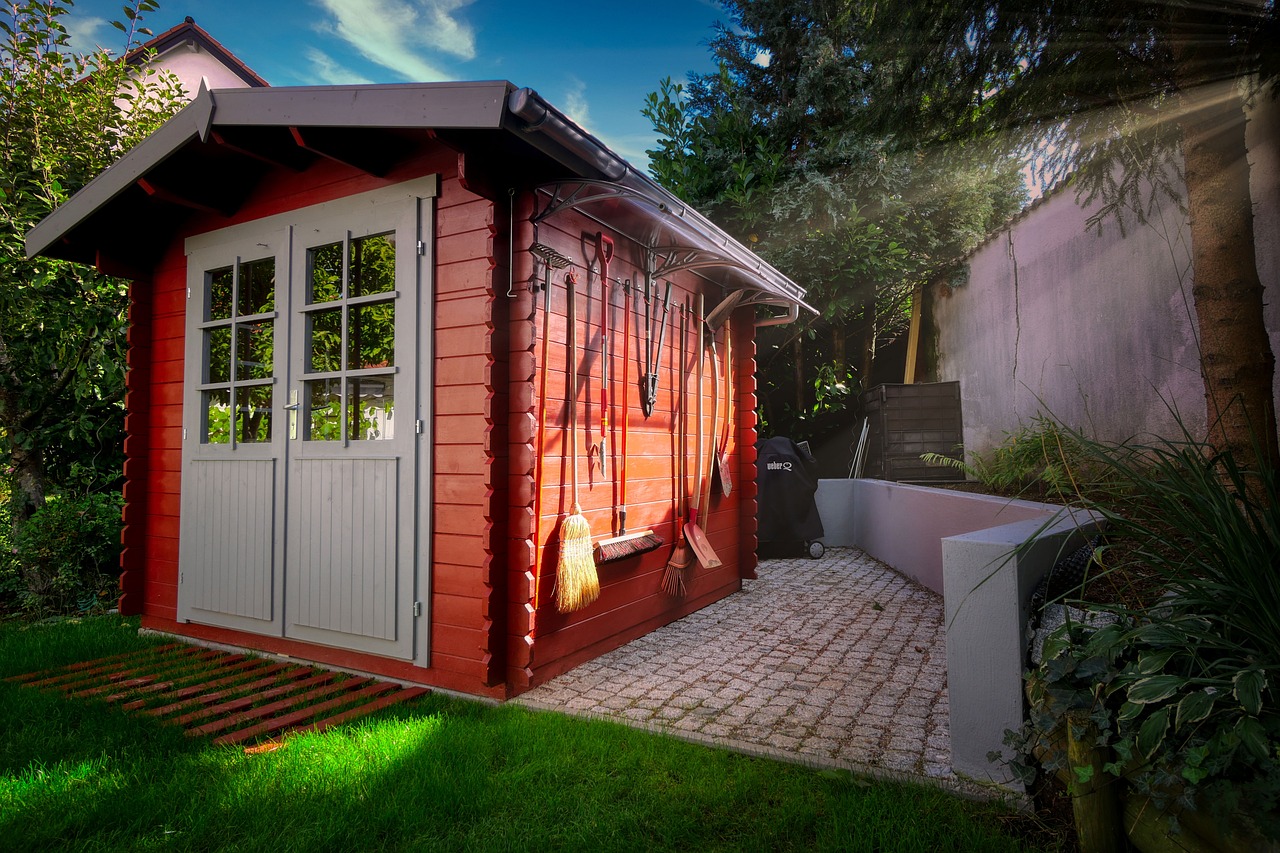
Constructing a prefabricated storage building or workshop in the Saddleback Valley requires an unyielding shed pad gravel Laguna Hills CA foundation using compacting 3/4-inch minus base gravel, 1/4-inch clean stone, and recycled crushed concrete. In Laguna Hills, California, expansive clay soils swell during wet winters and crack during dry summers. Setting a heavy timber shed directly on bare ground causes floor joists to rot from moisture and causes uneven settling that jams doors and windows. An engineered shed pad gravel Laguna Hills CA project replaces shifting topsoil with a contained, free-draining crushed stone foundation that provides high load-bearing capacity. Sourcing dense 3/4-inch minus base gravel, 1/4-inch clean stone, and crushed concrete keeps your outbuilding level and stable for decades. Homeowners can schedule rapid bulk deliveries through our Laguna Hills aggregate delivery page to secure base gravel, clean stone, and crushed concrete direct to their driveway.
Constructing a contained crushed gravel pad over geotextile fabric creates an unyielding, self-draining foundation that protects backyard sheds from rot and settling.
To inspect residential accessory structure foundation criteria, timber skid bearing standards, and gravel pad compaction methods, check:
Shed Foundation Engineering and Base Standards (Wikipedia)
Why Saddleback Valley Clay Demands Shed Pad Gravel Laguna Hills CA
Laguna Hills sits against the foothills of the Santa Ana Mountains, where native soils consist of heavy alluvial clay with high plasticity. When rainwater saturates unpaved subgrades, the ground loses shear strength, allowing heavy wooden skids to sink several inches into the mud. In contrast, an engineered shed pad gravel Laguna Hills CA distributes structure weight across a broad aggregate footprint while allowing roof drip line water to percolate away before softening footings.
Dense 3/4-inch minus base gravel blends fractured angular rock with mineral binder fines that pack together under mechanical plate compaction to create an impenetrable structural platform. Clean 1/4-inch crushed stone provides a level, free-draining bedding layer that will not wash out during heavy downpours. Recycled crushed concrete offers an economical, environmentally friendly alternative for building deep structural subgrades on sloping foothill lots. In nearby Southern California suburban communities like Orcutt, property owners choose crushed gravel pads for quick, reliable shed installations.
- Dense-graded interlocking aggregate for unyielding structural shed foundation pads → 3/4″ minus base gravel
- Clean angular mini-chips for free-draining subgrade leveling and pipe bedding → 1/4″ clean crushed stone
- Recycled crushed aggregate base for economical sub-base stabilization → Crushed concrete
- Clean drainage stone for roof drip line swales → #57 stone
Recommended Cross-Section for a Gravel Shed Foundation
Consult this structural schedule to layer geotextile fabric, timber containment borders, and compacted base rock for an enduring shed pad.
| Foundation Layer | Recommended Aggregate | Target Thickness and Engineering Role |
|---|---|---|
| Excavated Native Subgrade | Compacted Native Clay | Excavated 5 to 6 inches deep; cleared of sod and tamped flat with zero slope. |
| Separation Geotextile Fabric | Woven Geotextile Membrane | Heavy-duty 6-ounce fabric; stops crushed aggregate from sinking into wet native clay. |
| Perimeter Containment Header | Ground-Contact Treated 4×4 Timbers | Spiked with 1/2″ rebar pins; contains stone base and prevents edge slumping. |
| Compacted Structural Stone Bed | 3/4″ Minus Base or Crushed Concrete | 4 to 5 inches compacted thickness; creates an unyielding structural platform. |
Excavating, Edging, and Compacting the Shed Pad
Begin shed pad construction by measuring your shed dimensions and adding one foot on all sides to create a two-foot wider aggregate footprint. For a ten-by-twelve-foot shed, build a twelve-by-fourteen-foot pad. Excavate the area five to six inches deep down to firm subsoil, checking that the excavation floor is completely level in all directions using a carpenter level taped to a straight 2×4.
Construct a perimeter frame using pressure-treated 4×4 or 4×6 ground-contact timbers, pinning the corners with galvanized timber screws and anchoring the frame to the subgrade with twelve-inch rebar spikes driven through pre-drilled holes. Line the excavation with heavy woven geotextile fabric. Spread 3/4-inch minus base gravel in two uniform lifts, dampening each lift before running a mechanical plate compactor across the stone. Top with a shallow one-inch lift of 1/4-inch clean stone, raking and screeding it perfectly flat. When ordering materials through our Laguna Hills stone delivery portal, bulk drop placement keeps materials convenient to your backyard gate. Review our detailed 3/4-inch minus base gravel material guide for specialized compaction ratios and timber framing advice.
Managing Roof Drip Line Drainage
Prefabricated sheds rarely feature rain gutters. Rainwater pouring off eaves scours bare ground around the foundation. Extending your gravel pad one foot beyond the shed walls creates an automatic stone splash apron that absorbs roof runoff and directs water into the ground without eroding foundation edges.
Benefits of Bulk Aggregate Delivery in Laguna Hills, CA
- Delivers full multi-ton transfer dump truckloads directly to your property or driveway.
- Avoids hauling dozens of expensive, heavy 50-pound retail bags across town.
- Quarry-fractured base aggregate provides maximum mechanical interlock and stiffness.
- Experienced drivers navigate residential streets and hillside cul-de-sacs safely.
Calculating Shed Pad Aggregate Tonnage Accurately
Accurate material calculation prevents construction halts from ordering too little aggregate. Measure your pad length in feet by width in feet (including the one-foot apron buffer) to determine square footage. Multiply square footage by planned aggregate depth in inches, then divide by 324 to establish cubic yards. Dense 3/4-inch minus base gravel and crushed concrete weigh approximately 1.4 tons per cubic yard.
For example, to construct a 12-foot by 14-foot shed pad (168 square feet) with 5 inches of compacted 3/4-inch minus base gravel: Multiply 168 by 5 to reach 840. Divide 840 by 324 to determine 2.59 cubic yards. Multiply 2.59 cubic yards by 1.4 tons per cubic yard to find 3.63 tons. Ordering four tons of base gravel ensures complete depth and accounts for compaction consolidation.
Frequently Asked Questions
Can a wooden shed sit directly on gravel without concrete?
Yes, pressure-treated shed skids set on an engineered 3/4-inch minus base gravel pad remain level, dry, and rot-free for decades at a fraction of concrete costs.
Why should the gravel pad be two feet larger than the shed?
Extending the pad one foot past the building walls on all sides catches roof drip water, prevents mud splatter on siding, and eases maintenance access.
How thick should base gravel be under a backyard shed?
A compacted thickness of four to six inches of 3/4-inch minus base gravel provides ample structural bearing capacity for residential storage buildings and workshops.
Do I need landscape fabric under a gravel shed pad?
Yes, heavy woven geotextile fabric prevents crushed stone from pressing down into native clay subsoil and completely blocks weeds from sprouting under the shed.
Final Thoughts
Constructing a properly leveled gravel foundation protects your backyard shed investment against wood rot, door misalignment, and expansive soil shifting. By digging an even pad, securing treated timber borders, and compacting heavy 3/4-inch minus base gravel, your shed pad gravel Laguna Hills CA project creates an unyielding structural platform that will last for generations. Find your Laguna Hills delivery area here to schedule bulk delivery of base gravel, clean stone, and crushed concrete directly to your property.











