




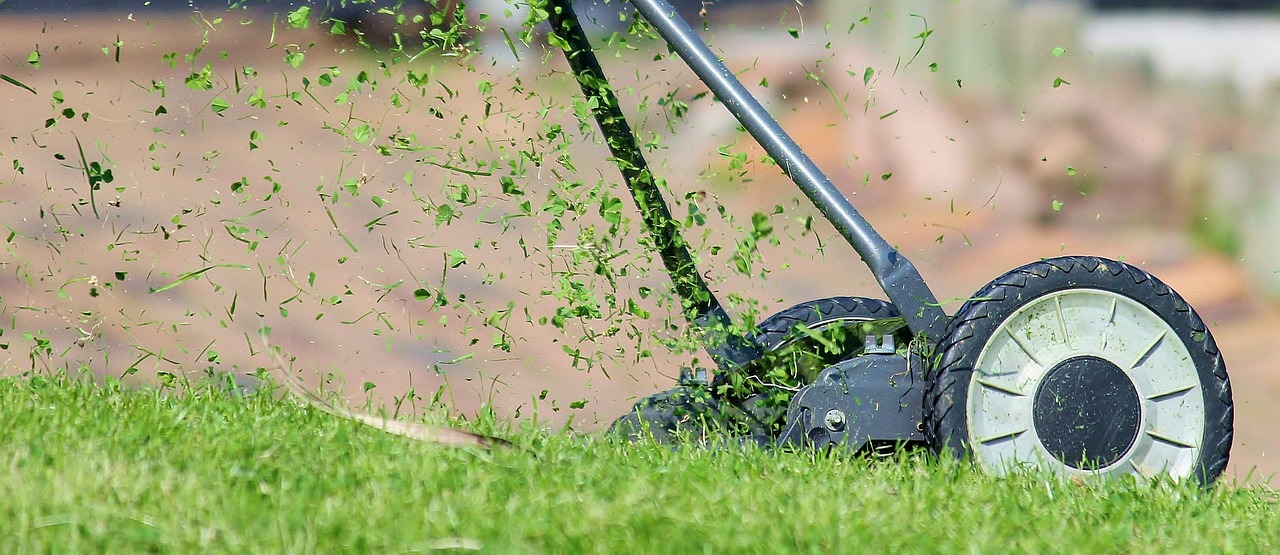
Establishing a lush, resilient lawn in the coastal borough of Carteret requires addressing the challenging soil conditions that line the Arthur Kill industrial waterfront. In Carteret, residential properties along Roosevelt Avenue, Washington Avenue, Post Boulevard, and neighborhoods spanning Chrome and West Carteret manage diverse subsoils ranging from dense tidal marsh silt and Cretaceous clays to compacted urban fill. Decades of heavy development and low elevation near tidal waterways leave native soils compacted, poorly aerated, and deficient in organic biology. Sowing grass seed directly into dense industrial silt or unamended clay results in patchy germination, stunted root structures, and seasonal runoff erosion. Applying high-quality screened topsoil for new lawn Carteret NJ homeowners rely upon creates an optimal seedbed that promotes deep root penetration, balances drainage, and sustains healthy turf throughout hot humid summers. You can inspect local bulk soil options on our Carteret gravel and soil delivery page to select the ideal screened topsoil and compost blends for your yard.
A properly graded layer of fertile topsoil ensures water infiltrates evenly across your lawn, prevents storm runoff puddling near foundations, and provides grass seedlings with vital organic nutrients.
To inspect regional terrain, Arthur Kill coastal watershed features, and Middlesex County environmental soil standards, visit:
Carteret, New Jersey Arthur Kill Waterfront and Geography (Wikipedia)
Why Coastal Ground Demands Screened Topsoil for New Lawn Carteret NJ
Carteret’s low-lying position alongside the Arthur Kill exposes residential lawns to high water tables, coastal humidity, and dense subsoil compaction. Native subgrade clays hold water stubbornly during rainy spring months, choking grass roots of oxygen. During dry summer periods, however, unamended tidal clays shrink and crack into rock-hard crusts that shed rainfall before moisture reaches roots. Establishing a rich layer of topsoil for new lawn Carteret NJ landscaping projects corrects these severe moisture imbalances.
Premium screened topsoil is mechanically sifted to remove sticks, rocks, and hard clay clumps. When enriched with organic compost, screened topsoil creates a loamy, granular texture that retains essential moisture while allowing surplus water to filter downward freely. Grass roots penetrate easily through the loose loam, establishing deep root networks that resist summer heat stress.
- Rich weed-free lawn seedbed → Screened topsoil
- Moisture-retentive organic conditioner → Compost soil
- Structural rough-grading subsoil → Fill dirt
- Drainage French drain rock → 3/4″ clean gravel
Browse topsoil and organic compost available in Carteret
Recommended Soil Horizons for New Turf Establishment
Layering structural subsoil fill beneath screened planting loam creates a stable grade that supports long-term lawn vitality.
| Lawn Soil Horizon | Recommended Material | Agronomic Function |
|---|---|---|
| Finished Seedbed Horizon (4″ to 6″) | Screened Topsoil | Sifted mineral loam free of stones and debris; creates an ideal seed-to-soil contact bed. |
| Organic Biological Enrichment (1″ to 2″) | Compost Soil | Supplies essential nitrogen, micro-nutrients, and beneficial fungi to stimulate rapid germination. |
| Subgrade Base Fill (As Needed) | Fill Dirt (Unscreened) | Dense mineral soil used to fill low depressions, correct yard slopes, and direct runoff away from structures. |
| Perimeter Drainage Course | 3/4″ Clean Gravel | Underlies swales and downspout lines to channel storm runoff safely toward municipal stormwater drains. |
Rough Grading and Subgrade Preparation Steps
Begin by removing existing weeds, dead turf, and building debris from the lawn footprint. If your yard suffers from low spots or standing water, use clean fill dirt to reshape the contour, establishing a gentle one to two percent fall away from your home’s foundation. Homeowners installing lawns in neighboring Avenel follow identical grading protocols to prevent coastal rainfall from ponding against exterior siding.
Rototill the compacted subgrade to a depth of three to four inches to break up the dense clay pan. This crucial scarification step ensures that imported topsoil knits securely into the native subsoil, preventing a hard boundary layer that restricts downward root growth and blocks subsurface drainage.
Spreading, Grading, and Seeding Your New Lawn
Spread screened topsoil across the prepared ground to a uniform depth of four to six inches. Blend in a one-inch top dressing of compost soil across the upper layer using a landscape rake. Check our detailed screened topsoil material guide for comprehensive soil conditioning guidelines and turf seeding recommendations.
Roll the soil lightly with a water-filled lawn roller to firm the surface without causing excessive compaction. Broadcast high-quality turf-type tall fescue or Kentucky bluegrass seed across the seedbed, rake lightly to cover seeds to a depth of one-quarter inch, and apply straw mulch to retain moisture. Water twice daily with a fine mist until grass seedlings reach three inches in height.
Benefits of Bulk Topsoil Delivery in Carteret
- Dump truck delivery places multiple tons of screened loam right on your driveway or curbside staging zone.
- Dramatically more cost-effective than purchasing hundreds of plastic-wrapped retail soil bags.
- Uniform, weed-free screening ensures consistent germination rates across your entire property.
- Experienced local delivery drivers navigate congested borough roads and residential neighborhoods efficiently.
Calculating Topsoil Quantities for New Lawns
Precise volume estimation ensures you order the exact amount of topsoil for new lawn Carteret NJ landscaping projects. Multiply your lawn length in feet by width in feet, multiply by topsoil depth in inches, and divide by 324 to determine total cubic yards. Screened loam topsoil weighs approximately 1.1 to 1.3 tons per cubic yard.
For example, if you are establishing a new front lawn measuring 40 feet wide by 50 feet long (2,000 square feet) with a 4-inch depth of screened topsoil, multiply 2,000 by 4 to get 8,000. Divide 8,000 by 324 to calculate 24.69 cubic yards. Multiplying 24.69 cubic yards by 1.2 tons indicates that you will need approximately 29.6 tons of bulk screened topsoil.
Frequently Asked Questions
How many inches of topsoil do I need for a new lawn in Carteret?
A minimum depth of four inches of screened topsoil is required for new turf seedbeds; six inches provides superior root depth and drought resilience in sandy or clay soils.
Can I spread new topsoil directly over existing grass?
No, you should always remove existing turf and weeds, then till the native ground to ensure imported topsoil bonds properly with the subgrade.
When is the best time to seed a new lawn in Middlesex County?
Late summer to early autumn (late August through mid-October) is ideal because warm soil and cooler air promote rapid root growth with minimal weed competition.
What is the difference between fill dirt and screened topsoil?
Fill dirt is dense subsoil with rocks and clay used for structural grading, while screened topsoil is nutrient-rich, sifted surface loam optimized for planting.
Final Thoughts
Investing in high-quality screened topsoil provides the essential biological and structural foundation for a thriving, emerald-green lawn in Carteret. By correcting subgrade drainage, adding organic compost, and establishing a generous four- to six-inch seedbed, you ensure your turf stays healthy through every humid summer and cold winter. Find your New Jersey delivery area here to order bulk screened topsoil and compost delivered directly to your jobsite.











