




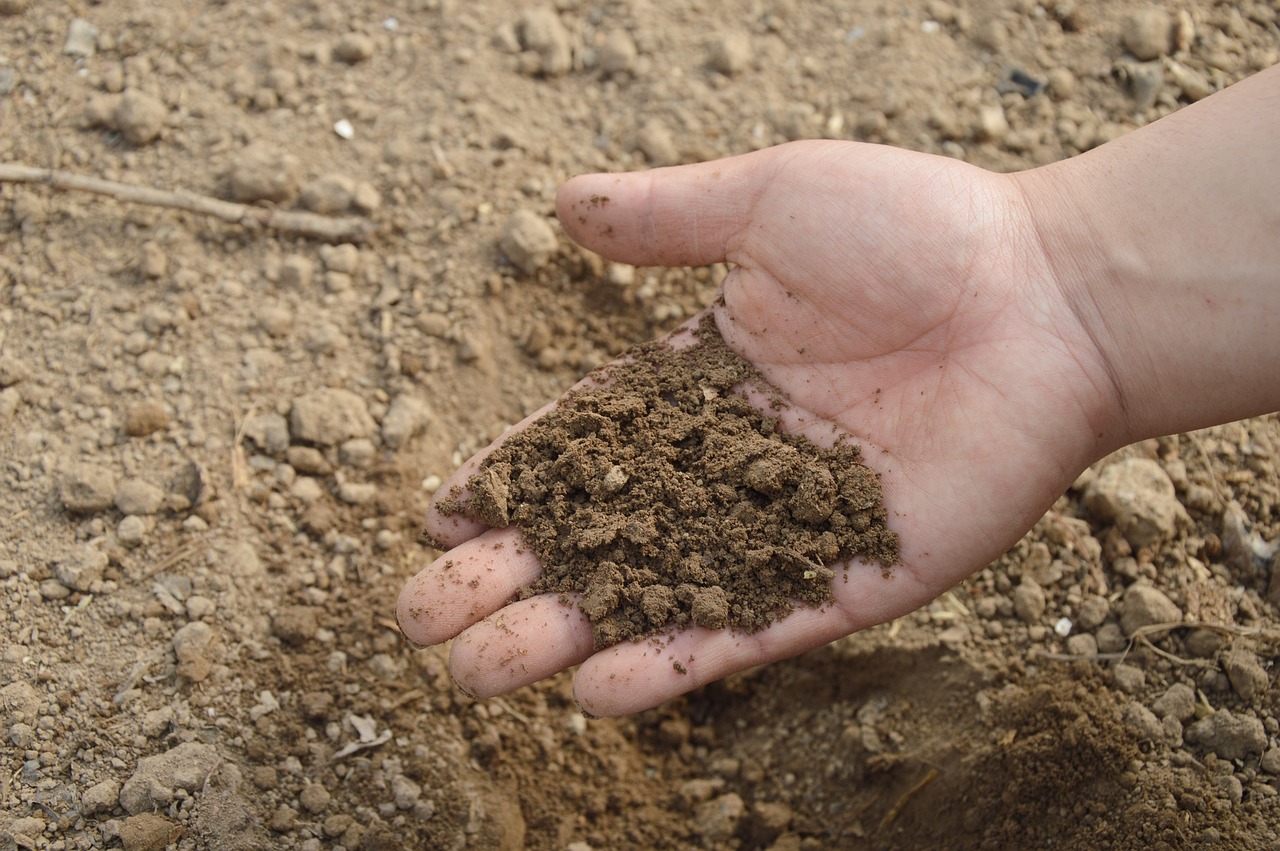
The Project in Rosemount
Rosemount is an attractive, expanding community in Dakota County that combines historic prairie charm with dynamic residential development near County Road 42, Chippendale Avenue, and the Rosemount Research and Outreach Center. New subdivisions and established acreage properties alike feature generous yards, lush turfgrass lawns, and expansive vegetable and perennial flower beds. However, establishing healthy grass and flourishing gardens in Dakota County requires understanding native soil characteristics. Spreading rich, fluffy garden soil across an entire lawn leads to uneven settling and spongy turf, while dumping dense raw topsoil into raised planter boxes suffocates delicate vegetable roots. Evaluating topsoil vs garden soil Rosemount MN differences helps homeowners match the right bulk soil to specific outdoor applications. Property owners can streamline their seasonal yard projects by ordering dependable gravel delivery in Rosemount.
Selecting clean, nutrient-balanced soils accelerates turf establishment and maximizes garden yields. Browse popular materials for this area:
- Screened topsoil → Best for leveling lawn depressions, filling grading contours, and establishing new turf sod or grass seed.
- Garden soil → Best for filling raised planting beds, vegetable boxes, and perennial borders requiring aeration and nutrients.
- Compost soil → Best for revitalizing depleted sandy soils, boosting soil microbial activity, and organic mulch top-dressing.
Learn more in our guide to premium screened topsoil.
Why Rosemount’s Soil and Climate Shape This Project
Rosemount’s geology consists of rolling glacial outwash and till plains characterized by the Waukegan, Dickinson, and Dakota silt loam series. Waukegan silt loam is famously productive agricultural ground, featuring rich dark surface loam over gravelly substrata. However, extensive residential grading often strips away this fertile top layer, leaving homeowners with compacted subsoil clay and construction fill.
Dakota County experiences harsh winter freezes with ground frost penetrating forty-eight to fifty-four inches, followed by hot, humid midwestern summers. Lawn turf requires a stable mineral foundation that retains steady moisture without compacting into a dense crust. Screened topsoil provides the mineral density needed to support lawn sod, while blended garden soil enriched with aged compost ensures vegetable roots maintain continuous access to oxygen and vital micronutrients.
Comparing Topsoil and Garden Soil in Rosemount
Understanding soil composition ensures you choose the ideal material for your topsoil vs garden soil Rosemount MN application.
| Feature | Screened Topsoil | Blended Garden Soil |
|---|---|---|
| Primary Composition | Native screened mineral loam with 5-10% organic matter | Engineered blend of topsoil, organic compost, and sand |
| Best Application | Lawn grading, turf seeding, sod prep, and low spot fill | Raised planting boxes, vegetable gardens, and flowers |
| Structural Stability | High compaction resistance; will not settle significantly | Light and aerated; decomposes slightly over growing seasons |
| Nutrient Density | Moderate native mineral fertility | High nutrient content enriched with aged organic matter |
Screened topsoil is the right choice for lawn leveling, filling foundation sinkholes, and preparing ground for fresh sod or grass seed. Because it consists primarily of mineral loam, it will not decompose or shrink over time. For raised garden beds and container planters, blended garden soil provides the lightweight porosity and biological activity necessary for robust vegetable yields.
Step-by-Step Lawn Leveling and Garden Soil Application
Achieve a smooth lawn and thriving garden in Rosemount with these practical soil application steps.
- Assess project requirements: Determine whether your project requires mineral topsoil for lawn grading or aerated garden soil for planting. Similar prep is used in Apple Valley.
- Clear debris and weeds: Strip dead turf, unwanted weeds, and rocks from the target area before applying new soil.
- Apply screened topsoil to lawn dips: Fill low spots in thin one-inch layers, working soil between grass blades with a wide leveling rake.
- Fill raised beds with garden soil: Shovel blended garden soil into raised planter boxes, lightly tamping each four-inch lift to eliminate air pockets.
- Seed or plant: Sow grass seed and rake lightly into topsoil, or transplant vegetable seedlings directly into garden soil.
- Water consistently: Keep new soil evenly moist for the first three weeks to establish healthy root systems and stimulate seed germination.
How Much Soil Do You Need?
Calculate soil volume using standard formulas: Multiply area length by width by soil depth in feet to get cubic feet, divide by 27 for cubic yards, and multiply cubic yards by 1.2 to calculate total required tons.
Consider top-dressing and leveling a 1,500-square-foot lawn section in Rosemount with two inches (0.17 feet) of screened topsoil:
1,500 sq ft × 0.17 ft = 255 cubic feet.
255 / 27 = 9.44 cubic yards.
9.44 × 1.2 = 11.33 tons.
Adding a ten percent reserve for low spot filling yields approximately 12.5 tons of screened topsoil, delivered conveniently in a single commercial dump truck drop.
Common Mistakes to Avoid in Rosemount
- Using garden soil to level lawns: High organic matter in garden soil decomposes within a year, causing leveled lawn depressions to sink again.
- Filling raised planter boxes with pure topsoil: Native mineral topsoil compacts like concrete inside raised boxes, choking vegetable roots.
- Applying un-screened fill dirt on lawns: Raw fill dirt contains large stones, roots, and hard clay clods that ruin mower blades and kill grass.
- Spreading soil thicker than three inches over live grass: Smothering established turf with excessive soil depth kills grass crowns.
- Skipping compost replenishment in raised beds: Raised garden soil loses organic nutrients annually; top-dress with two inches of compost each spring.
Local Sourcing, Permitting, and Delivery in Rosemount
Standard residential topsoil delivery and garden bed grading do not require city building permits in Rosemount, provided grading does not redirect stormwater onto neighboring properties. For home gardening guidance and lawn seeding calendars, consult technical resources from the University of Minnesota Extension.
Plan soil delivery drop locations carefully. Tri-axle dump trucks require firm driveway pads or dry ground to discharge bulk materials safely. Place heavy tarps on driveways before scheduling bulk soil delivery in Rosemount.
Frequently Asked Questions
Can I mix topsoil and garden soil together?
Yes. Combining screened topsoil with compost and garden soil creates an excellent 60/40 custom blend for in-ground flower beds and vegetable gardens.
What is the difference between screened topsoil and fill dirt?
Screened topsoil is processed through mesh screens to remove rocks and root debris, leaving fine, fertile loam. Fill dirt is un-screened subsoil used for deep structural grading.
How many bags of soil equal one cubic yard of bulk soil?
It takes roughly twenty-seven 1-cubic-foot bags or fourteen 2-cubic-foot bags to equal one cubic yard of bulk soil, making bulk delivery significantly more economical.
When is the best time to spread topsoil on Rosemount lawns?
Late summer to early autumn (mid-August to late September) is the ideal window for top-dressing and overseeding cool-season Minnesota lawn grasses.
Related Resources
- Premium Screened Topsoil Specifications
- Blended Garden Soil Details
- Organic Compost Product Information
- Comprehensive Screened Topsoil Guide
Final Thoughts
Understanding topsoil vs garden soil Rosemount MN advantages ensures your landscaping investments deliver lush lawn turf, fertile garden planters, and healthy harvests. Discover our comprehensive gravel and landscape soil services across Minnesota to source high-grade loam, sand, and decorative stone. Contact Simple Gravel today to calculate your soil yardage and schedule your Rosemount soil delivery with complete ease.











