




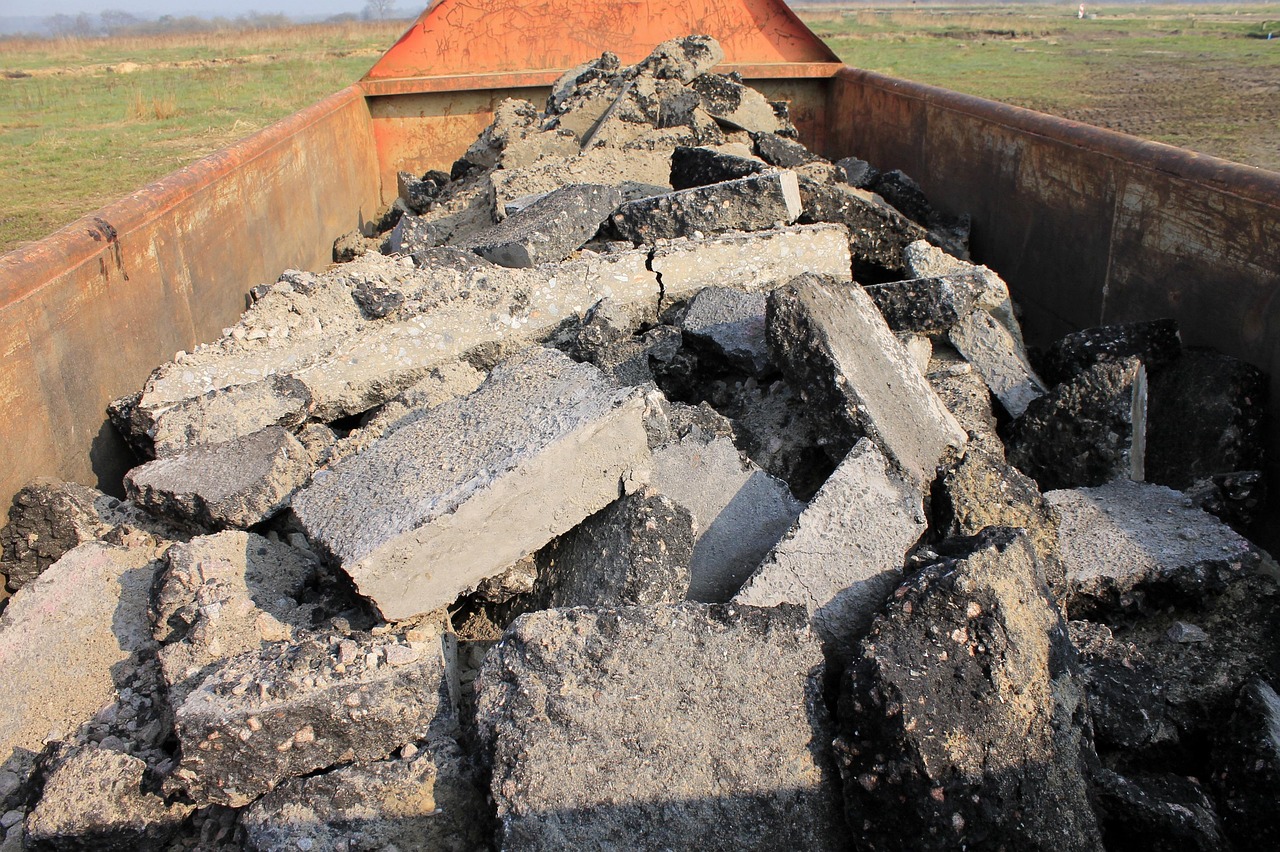
Paving rural access lanes, commercial parking lots, and residential driveways across Washington requires selecting budget-friendly aggregate materials that perform reliably in wet climates. From the rainy Puget Sound lowlands in Bothell and Burien to the Missoula Flood terraces of Orchards, property owners face rising infrastructure costs and severe seasonal weather. Heavy winter rainfall softens unpaved subgrades, turning dirt roads into impassable mud tracks. Traditional virgin quarry aggregates provide excellent performance, but repurposing high-grade recycled materials offers substantial financial and environmental advantages. Sourcing durable Washington recycled driveway materials, such as crushed concrete and asphalt millings, delivers heavy load-bearing pavements at a fraction of the cost of freshly quarried stone. Recycled aggregates lock together into rigid driving surfaces that resist rutting, shed rainwater, and divert tons of construction debris from regional landfills. Homeowners can explore recycled aggregates on our Washington gravel delivery page to choose crushed concrete, asphalt millings, and dense road base.
Installing recycled aggregate pavements creates an unyielding, budget-friendly driving surface that binds tightly under traffic and resists severe Pacific Northwest winter weather.
To inspect statewide physiographic provinces, recycled aggregate engineering specifications, and Washington State Department of Transportation standards, check:
Geography and Mineral Resources of Washington (Wikipedia)
Why Pacific Northwest Weather Demands Washington Recycled Driveway Materials
Continuous winter rainstorms across western Washington quickly saturate unpaved driveways, causing soft clay and silt to pump upward into vehicle tracks. Utilizing certified Washington recycled driveway materials creates a dense structural crust that stops mud formation and bears heavy vehicle traffic without rutting.
Crushed concrete aggregate contains residual unhydrated cement particles that chemically react with rainfall and compaction moisture, re-cementing individual stone pieces into a semi-monolithic concrete slab. Recycled asphalt millings contain residual asphalt bitumen that warms and softens under summer sun, fusing aggregate particles into a solid, dust-free pavement that looks remarkably like paved asphalt.
- Economical re-cementing foundation base rock → Crushed concrete
- Recycled binding pavement surfacing → Asphalt millings
- Standard road-grade compacted base gravel → Road base gravel
- Clean surface dressing stone → 3/4″ clean gravel
Comparing Recycled Materials for Residential Driveways
Evaluating compaction characteristics, binding mechanisms, and appearance helps you select the best recycled aggregate for your project.
| Recycled Aggregate | Composition & Sizing | Performance Profile |
|---|---|---|
| Crushed Concrete (1 1/2″ Minus) | Crushed Structural Concrete & Fines | Re-cements under moisture into a rigid, non-rutting slab with exceptional point-load bearing strength. |
| Asphalt Millings (1/2″ to 0) | Reclaimed Milled Highway Asphalt | Bitumen binds together under summer sun and vehicle rolling to form a dark, semi-paved surface. |
| Road Base Gravel | Fractured Basalt & Mineral Fines | Traditional quarry aggregate that compacts tightly for flexible grading on long rural roads. |
| Clean Drainage Stone Blend | 3/4″ Washed Angular Rock | Placed in road ditches and swales to convey heavy winter stormwater away from recycled roadbeds. |
Constructing a Crushed Concrete Driveway Base
Excavate the driveway footprint to a depth of eight to ten inches below finished grade, establishing a gentle two percent crown along the centerline to shed water into side ditches. Tamp the native subgrade with a heavy vibrating roller or plate compactor. Line the roadbed with commercial non-woven geotextile fabric to prevent subsoil mud from churning into the aggregate.
Spread crushed concrete in three- to four-inch lifts over the fabric. Lightly spray each lift with water to activate residual cement hydration, then compact thoroughly with a heavy roller. Build the base to a compacted depth of six to eight inches. Review our comprehensive crushed concrete material guide for structural load curves and compaction recommendations.
Placing and Compacting Reclaimed Asphalt Millings
Asphalt millings perform best when installed over a compacted crushed concrete or road base foundation. Spread the millings in a uniform three- to four-inch layer, raking the material smooth to maintain the road crown. Avoid installing millings during cold winter months; optimal binding occurs when temperatures exceed seventy degrees Fahrenheit.
Compact the millings thoroughly using a vibrating tandem drum roller. As daily vehicular traffic drives over the compacted millings, friction and summer heat cause the residual bitumen to melt slightly and fuse individual stone chips together. The resulting surface sheds rainwater efficiently, prevents dust clouds, and eliminates loose flying gravel.
Benefits of Bulk Aggregate Delivery Across Washington
- Dump truck delivery deposits multiple tons of recycled aggregate directly on your driveway worksite.
- Dramatically more cost-effective per ton than buying virgin quarry stone or hot-mix asphalt.
- Environmentally sustainable product diverts demolition debris away from regional landfills.
- Professional drivers navigate residential suburban avenues and rural acreage safely.
Calculating Aggregate Quantities for Recycled Driveways
Accurate material calculation prevents project interruptions when ordering Washington recycled driveway materials. Measure driveway length in feet, multiply by width in feet to calculate square footage, multiply by aggregate depth in inches, and divide by 324 to determine total cubic yards. Compacted crushed concrete and asphalt millings weigh approximately 1.4 tons per cubic yard.
For example, if you are paving an 80-foot driveway that is 12 feet wide (960 square feet) with an 8-inch total depth of recycled aggregate (5 inches of crushed concrete base and 3 inches of asphalt millings), multiply 960 by 8 to get 7,680. Divide 7,680 by 324 to find 23.70 cubic yards. Multiplying 23.70 cubic yards by 1.4 tons indicates that you will need approximately 33.2 tons of bulk aggregate.
Frequently Asked Questions
Does crushed concrete perform as well as virgin quarry gravel?
Yes, crushed concrete often outperforms virgin rock because residual unhydrated cement particles bind together over time into a rigid slab.
Will asphalt millings turn into a solid asphalt driveway?
Millings fuse under summer heat and heavy compaction into a semi-solid pavement that resembles asphalt, though it remains slightly more flexible.
Can I install asphalt millings in the middle of winter?
Millings can be placed in winter, but they will remain loose gravel until warm summer sunshine heats the bitumen and activates bonding.
Do I need landscape fabric under a recycled aggregate driveway?
Yes, non-woven geotextile fabric prevents heavy vehicle loads from driving crushed concrete down into soft, saturated native subsoils.
Final Thoughts
Choosing recycled aggregate materials is a smart, budget-friendly way to build durable, heavy-duty driveways that stand up to tough Washington weather. By pairing heavy geotextile underlayment with re-cementing crushed concrete and heat-binding asphalt millings, you construct an enduring driving surface while supporting environmental sustainability. Find your Washington delivery area here to schedule bulk delivery of crushed concrete and asphalt millings directly to your property.











